




Mangoes: Nutritional and therapeutic benefits invade global markets
01 June, 2025
PortSudan(Sudanow)- A historic event occurred in Sudan last month: Qaisan Market in the Blue Nile region was closed due to mangoes falling on vendors because of strong winds, forcing them to shut down their shops and wait for the mango fall to stop. This abundant production adds to the riches of Sudan, a country blessed with vast natural resources.
Mango fruits, as they are locally known, are one of the tropical fruits of great economic and nutritional importance in Sudan. Mango fruits are characterized by their delicious taste and distinctive aroma. About their therapeutic and nutritional importance...
Dr. Mohamed Osman Meysera, a consultant in alternative medicine, said to Sudanow: The history of mangoes in Sudan dates back to the Nubian civilization, where a mango dish was found in one of the tombs 3900 years ago. Sudan produces mangoes in commercial quantities...
Sudan ranks second in production and export in the Arab world after Egypt. The most important types of mangoes in Sudan are (Abu Samakah, Shendi, Nailam, and Malgoba). The main production regions are the states of South Kordofan, Sennar, Blue Nile, Northern, River Nile, Kassala, Gedaref, White Nile, and Khartoum.In addition to the states of Darfur through investment and commercial projects.
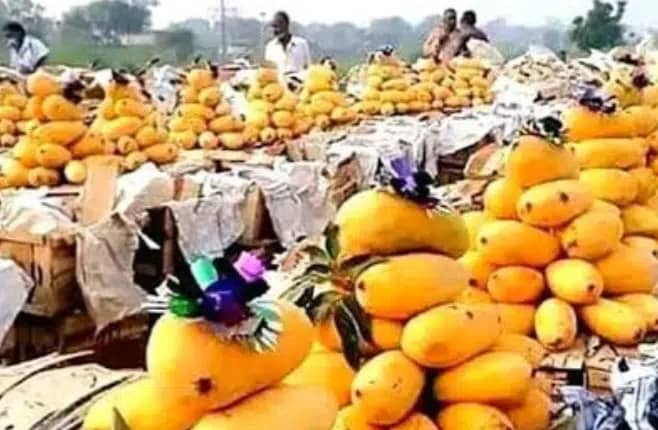
Dr. Meysera, a consultant in alternative medicine, says that dried mango is used to treat many diseases such as intestinal disorders, colitis, and constipation because it contains insoluble fiber. Drying helps extend its shelf life, especially in seasonal areas. We recommend including mango in a balanced diet, preferably consuming one to two pieces daily, while avoiding large quantities. Mango fruits are used as a diuretic treatment, helping to expel toxins from the body, prevent urinary tract infections, and prevent age-related macular degeneration. They also improve eye health by removing haziness in vision due to their antioxidant content and vitamin A. Additionally, dried mango is used to treat eye diseases resulting from immune problems.
Mango fruits are rich in vitamins, particularly vitamins A and C, as well as dietary fiber and antioxidants, making them beneficial for heart health, skin, digestive system, and immunity. They help prevent chronic diseases such as cancer and heart disease, and contribute to regulating digestion due to their content of natural enzymes that facilitate food absorption, lowering cholesterol levels in the blood and improving liver function.

From an economic perspective, mango cultivation is a lucrative activity for farmers due to the high demand for the fruit locally and regionally, particularly in the Gulf and Egyptian markets. Consumers prefer Sudanese mangoes for their distinct taste and high quality. Mangoes can be exported fresh, dried, or as juice and jam, opening wider opportunities for Sudanese products in global markets. Another advantage of successful mango cultivation in Sudan is that it doesn't require significant capital investment compared to other crops, and farming techniques, organic fertilization, and irrigation are readily available.
Another success factor is choosing the right variety from among the common varieties in Sudan (such as "Zabda", "Sannara", "Gel", "Alphonso", "Keitt", and "Tommy"), each with its own characteristics in terms of taste, transportability, and storage. Some varieties like "Keitt" are suitable for export due to their strong skin and ability to withstand long shipping, while softer varieties like "Zabda" and "Sannara" are widely consumed locally.
Sudan has a promising opportunity to become one of the leading mango producers and exporters in Africa, particularly with vast uncultivated agricultural land and available water resources.
In conclusion, Dr. Meysera says that mangoes are not just a fruit, but a national wealth if Sudan can utilize it effectively through agricultural and investment policies, and encourage related processing industries. Mangoes can become a symbol of sustainable agriculture and green economy in Sudan, a source of food, increased income, and job opportunities in the future, as well as a means to combat unemployment and engage youth.
Post your comments
Photo of the Week

Khartoum (Sudanaow Magazine) - In the heart of the capital Khartoum, specifically in the upscale Al-Taif neighbourhood, a young Sudanese man succeeded in turning his childhood dream and hobby of raising birds into a unique environmental and tourism project in Sudan and the region. It is the Marshal Nature Reserve, which had become a destination for visitors, embassies, and intern...
More-

16 November, 2026
Tales of Return Civil Registry Recovers Its Entire Database Despite War Destruction
A significant step forward:Reviewing civil records and refining National Identification Numbers to safeguard national identity. Major General Iqbal Mansour: Data recovery has enabled the continuation of services and the resumption of registration. Lieutenant General Dr. Jalal Tawar: Hails the thwarting of militia plans. Sudan’s Civil Registry has fully recovered its database despite the damage inflicted on its a...

Contact Us

Address: Sudan News Agency (SUNA) Building, Jamhoria Street, Khartoum - Sudan
Mobile:+249 909220011 / +249 912307547