

War in Sudan: AU, Quartet, and Paulus: Declining Mediation and Differing Narratives
28 September, 2025
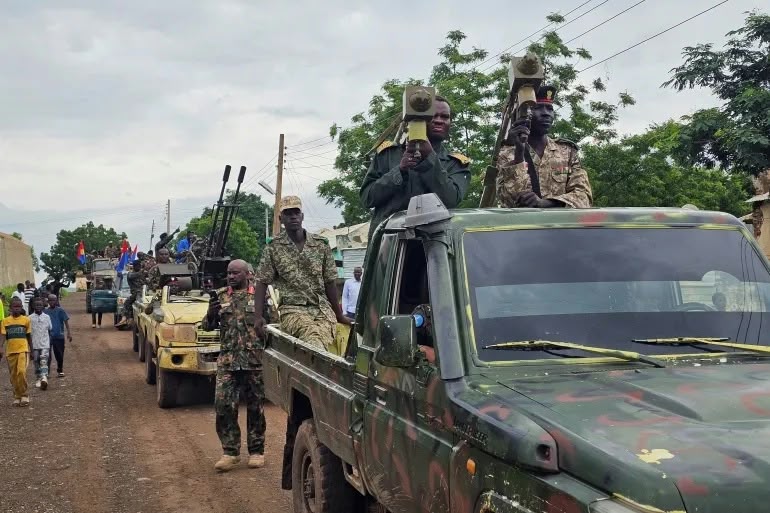
PortSudan(Sudanow)- Since the outbreak of the war imposed on the country in April 2023, Sudan has been in a spiral of violence and existential conflict with the Daglo rebel militia and its many backers.
This war has resulted in hundreds of thousands of deaths, injuries, and missing persons, displaced millions, and attracted widespread regional and international attention, with increasing mediation efforts by multiple parties.
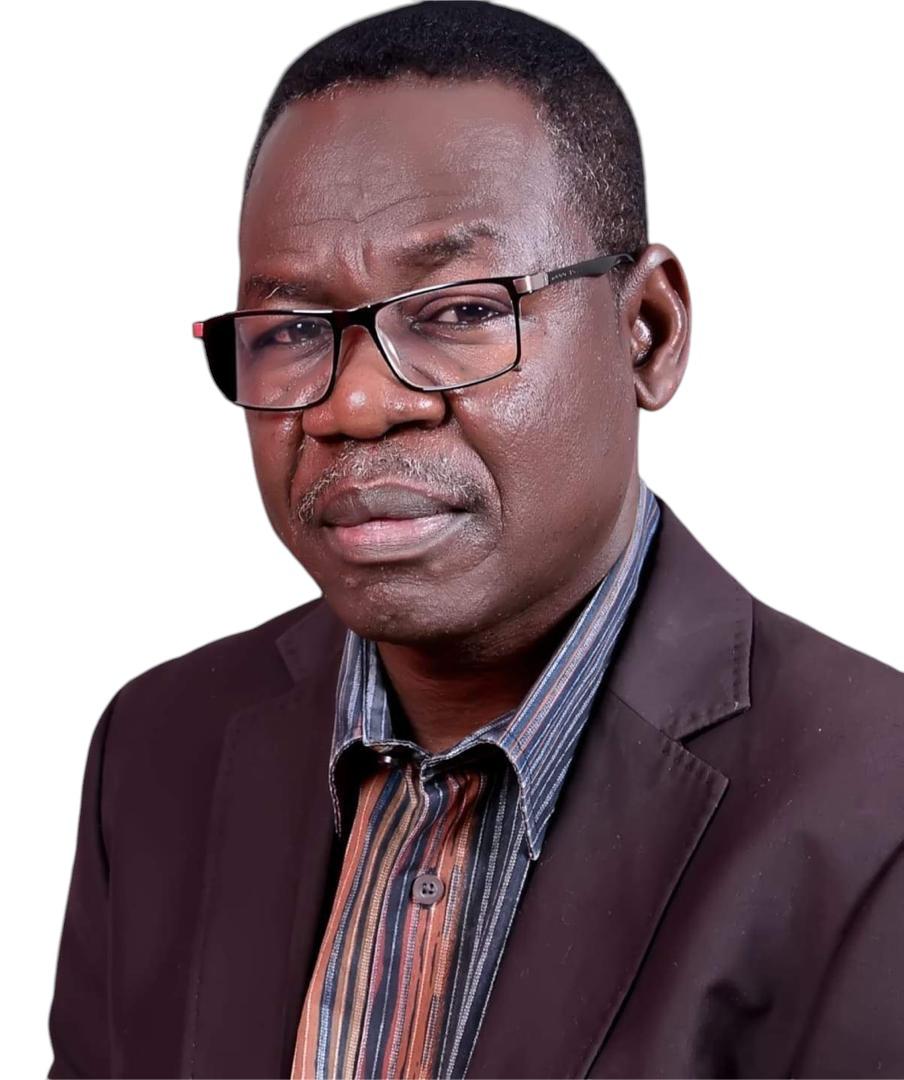
To talk about these mediations, what they have achieved and the different opinions about their credibility, Sudanow met with political and diplomatic expert Ambassador Dr. Muawiya Al-Toum Bukhari, who said:
These mediations have not resulted in consensus or tangible results so far, due to their divergent and contradictory agendas and agendas, which raises questions about the effectiveness of these efforts and the different narratives between the different parties, their lack of consideration of Sudanese concerns and developments on the internal scene, and their lack of impartiality.
These intersecting wills, along with the efforts of the personal envoy of the UN Secretary-General Ramadan Lamamra, want to prolong the war and make Sudan hostage to the contradiction of these mediations and their options, and narrow the opportunity for an independent national path.
Dr. Muawiya says, The war in Sudan has caused widespread destruction of infrastructure, increased poverty rates, and exacerbated humanitarian crises, Major cities such as Khartoum and Darfur have been completely destroyed and impoverished, making access to basic services such as healthcare, clean water, and food extremely difficult.
The conflict has also led to the outbreak of diseases and epidemics, such as cholera and Dengue fever, an increase in hunger and poverty among the population, and the deterioration of the humanitarian situation due to the rebel siege of some cities and its blatant violations against civilians without accountability or cessation.
International and regional mediations: Uneven Visibility
The AU, through its various mechanisms such as the Charter, the High Mediation Committee, and the Committee of the Wise, has worked to present initiatives aimed at finding a peaceful settlement to the conflict. However, its impact was limited due to the divergent positions of member states, the lack of an effective implementation mechanism, in addition to the suspension of Sudan's membership in the Union after what it called the military coup in 2021, and it remains suspended even after the appointment of a civilian government, which negatively affected the Union's credibility in mediation and the paradox between the Charter and political pragmatism in its dealings with the rebellion despite its refusal to recognize its parallel government.
International Quartet
The Quartet, which includes the United States, the United Kingdom, Saudi Arabia, and the United Arab Emirates, was formed to provide political and financial support for Sudan's democratic transition. As the conflict escalated, the Quartet intervened more actively, calling for a ceasefire and announcing a roadmap from Washington on Sept. 12 that included a three-month humanitarian truce, followed by a permanent truce and a nine-month transitional process aimed at forming a civilian government. Sudan considered this a crossing of red lines and a guardianship of its sovereignty and territorial integrity, in light of the rebellion's continued shelling and attacks on civilians, its siege of cities, and the practice of flagrant violations of international humanitarian and criminal laws.
However, this initiative remains flawed and has been criticized by some Sudanese government and parties, who considered that the Quartet seeks to impose external solutions without taking into account the Sudanese reality and its choices, which led to a decline in confidence in this mediation.
Paulus' role in mediation
Paulus, an American consultant, seeks to play a pivotal role in coordinating between the UN and the Sudanese parties. However, his role has been criticized by some Sudanese parties, who considered that Paulus adopts the Quartet's narrative in an unprofessional and uncritical manner, which affected his neutrality and effectiveness in mediation. These three narratives also clash with previous efforts and attempt to monopolize solutions and direct them to conclusions.
Contradictions in narratives and their impact on mediation
The contradictions between the narratives of the AU, the Quartet, and Paulus appear in several aspects:
- Flexibility versus presumption: The African Union as a continental front adopts a flexible approach based on dialogue and reconciliation, while the Quartet seeks to impose specific solutions without taking into account the Sudanese reality that favor the rebellion due to their possession of money and political influence, and some of them sponsor and support the rebellion.
- National sovereignty vs. foreign interference: The AU focuses on respecting Sudan's sovereignty, while some believe that the Quartet's intervention may exceed the limits of national sovereignty, which is unacceptable to the people and government of Sudan.
- Independence versus dependency: Some Sudanese parties believe that Paulus' role reflects dependence on international agendas, which reduces his credibility as a neutral mediator and weakens his chances of success.
Potential implications for Sudan and the region
The continued divergence in narratives and multiple mediations has confused the arena of solutions and may lead to:
- Prolonging the conflict: Lack of consensus among mediating parties may further complicate the crisis and jeopardize peace efforts and opportunities.
- Exacerbation of humanitarian crises: The continuation of the war leads to increased civilian suffering and exacerbation of humanitarian crises, which these parties have not taken into account.
- Regional destabilization: The conflict in Sudan affects the stability of neighboring countries and the region, increases the flow of refugees, increases the activity of armed groups, in addition to security chaos and other unforeseen repercussions.
In conclusion, Dr. Muawiya offers analytical recommendations
to achieve a peaceful settlement to the protracted war in Sudan, with its agenda and ceilings:
- Unify international and regional efforts: The need to coordinate efforts between the African Union, the United Nations, and the Quartet to present a comprehensive and integrated plan that is consistent with the national vision and existing legitimacy rather than seeking to undermine it.
- Respect for national sovereignty: Mediation must be based on respect for Sudan's sovereignty, territorial integrity, the aspirations of its people, and its cultural and political specificities.
- Strengthening the role of civil society: Engage Sudanese civil society and internal visions in the mediation process to ensure that solutions are comprehensive, appropriate to local realities, and that national options are prioritized over any external projects.
- Ensure an effective implementation mechanism: The need for a strong implementation mechanism that guarantees the implementation of the agreements reached, monitors the progress of the transitional process, and puts the UN and AU Charter and principles in place.
No external initiative can succeed on its own without the cooperation of the Government of Sudan, and this will not be possible unless these mediations overcome the divergence in narratives between the African Union, the Quartet, and Paulus , which requires coordination and strong political will, sincere national cooperation with the existing legitimate government, and genuine international and regional neutrality, aimed at achieving peace and stability in Sudan, ensuring the rights and interests of its nation and not the sustainability of war, and achieving the aspirations of the Sudanese people to build a safe and stable democratic state according to their will and the choices of their people.
Post your comments
Photo of the Week

Khartoum (Sudanaow Magazine) - In the heart of the capital Khartoum, specifically in the upscale Al-Taif neighbourhood, a young Sudanese man succeeded in turning his childhood dream and hobby of raising birds into a unique environmental and tourism project in Sudan and the region. It is the Marshal Nature Reserve, which had become a destination for visitors, embassies, and intern...
More-
16 November, 2026
Tales of Return Civil Registry Recovers Its Entire Database Despite War Destruction
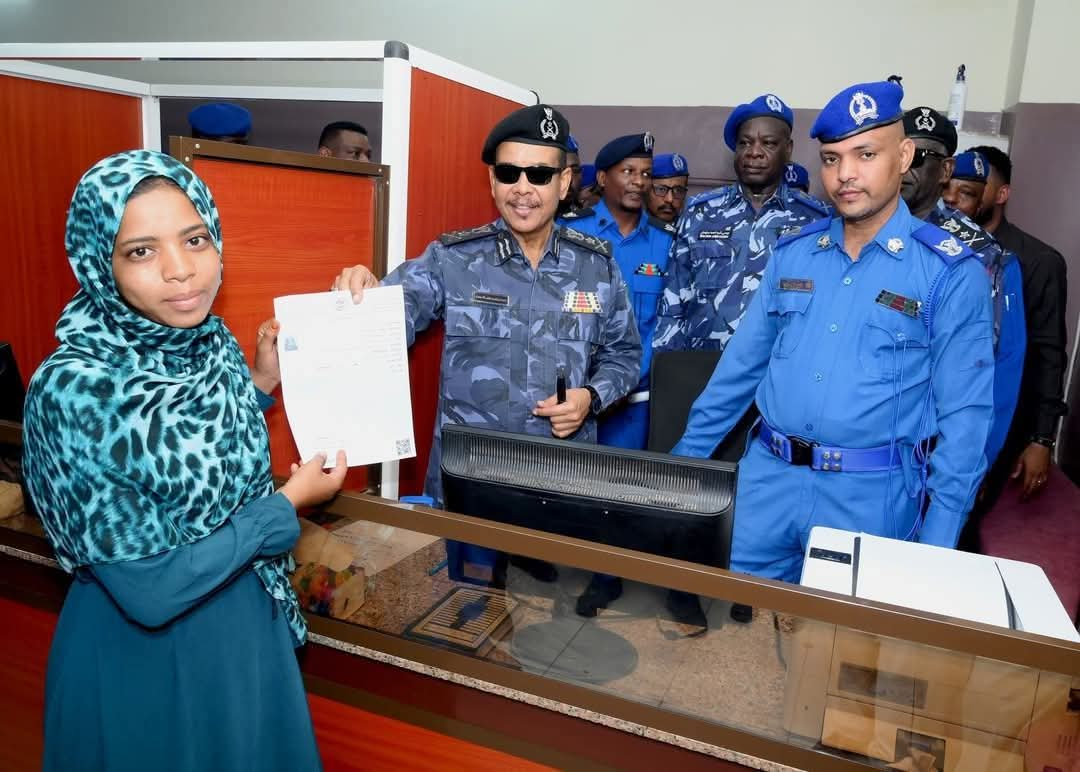
A significant step forward:Reviewing civil records and refining National Identification Numbers to safeguard national identity. Major General Iqbal Mansour: Data recovery has enabled the continuation of services and the resumption of registration. Lieutenant General Dr. Jalal Tawar: Hails the thwarting of militia plans. Sudan’s Civil Registry has fully recovered its database despite the damage inflicted on its a...

Contact Us

Address: Sudan News Agency (SUNA) Building, Jamhoria Street, Khartoum - Sudan
Mobile:+249 909220011 / +249 912307547