


Professor Saeed Mohamed Omar: A Sudanese Scientist Among the World’s Top 2%
18 October, 2026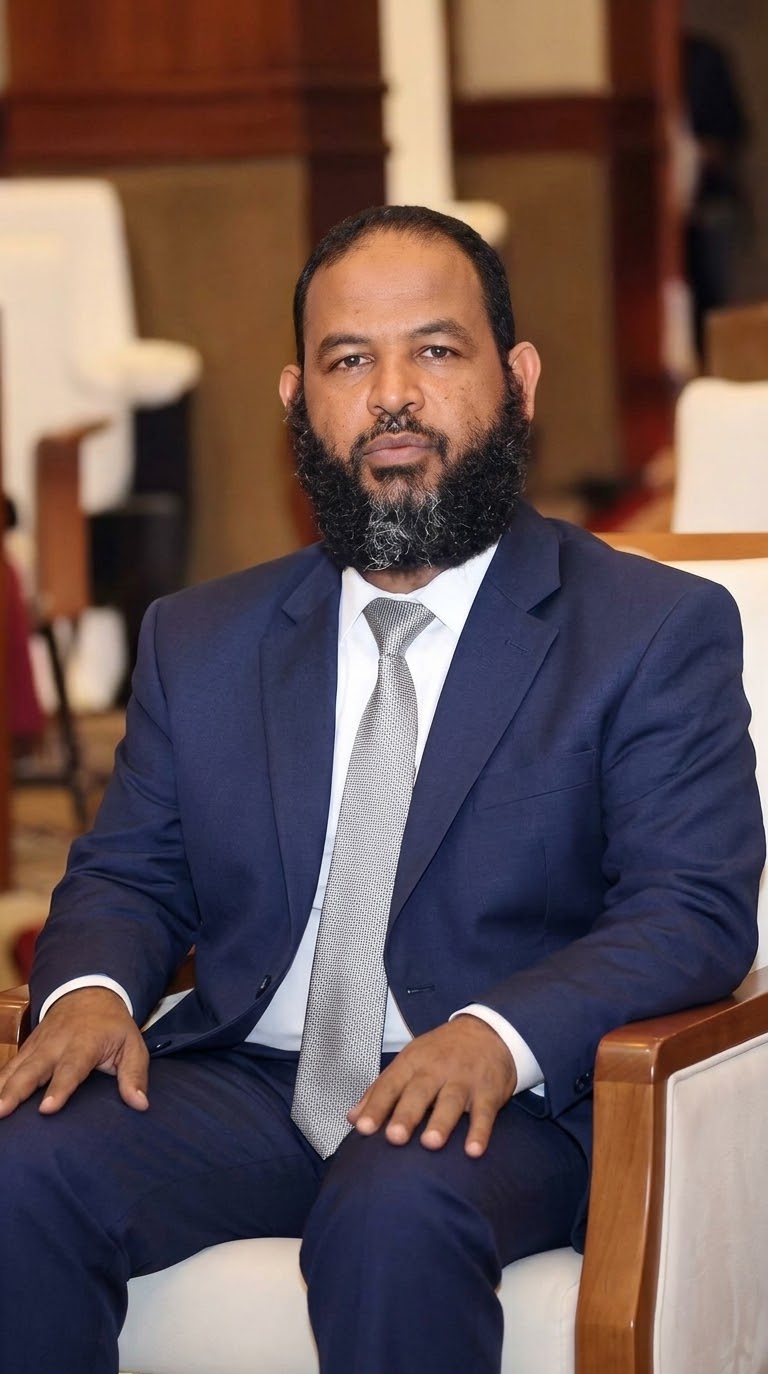
From Medical Research to the Advancement of Specialized Healthcare: A Scientific Career Bridging Knowledge and Community Service
Gedaref – Sudanow
Professor Saeed Mohamed Omar has achieved a notable scientific milestone by being included among the world’s top 2% of scientists for 2025–2026 in Clinical Medicine, under the General and Internal Medicine subfield, according to a ranking based on data from Stanford University in the United States and the global scientific publisher Elsevier. The recognition highlights his contributions to medical research and places a Sudanese academic among researchers whose work has gained recognition in international academic circles.
Professor Omar is a Professor of Internal Medicine at the Faculty of Medicine and Health Sciences, University of Gedaref. He also serves as Head of the Sudan Medical Specialization Board in Gedaref State and Director General of the late Abdelkarim Abboud Hospital for Heart Diseases and Surgery. In addition, he heads the Snakebite Centre at the Gedaref Regional Institute for Endemic Diseases. These responsibilities bring together medical education, scientific research, healthcare administration, and direct service to patients.
From New Halfa to the University Campus
Professor Saeed Mohamed Omar was born in New Halfa, where he completed his primary and intermediate education before moving to Khour Omar Model Secondary School to complete his secondary studies. He subsequently enrolled at the Faculty of Medicine and Health Sciences at Omdurman Islamic University and pursued a specialization in internal medicine after graduation. This broad medical discipline encompasses numerous areas of clinical practice and requires advanced diagnostic skills and the ability to manage a wide range of health conditions.
Throughout his academic career at the University of Gedaref, Professor Omar has combined teaching, training, academic supervision, and research, contributing to the preparation of medical professionals and the advancement of knowledge concerning diseases affecting Sudanese communities, particularly in the eastern region of the country.
Scientific Research: A Collective Effort Behind the Achievement
Speaking about his selection among the world’s top 2% of scientists, Professor Omar attributed the achievement to the grace of God and the efforts of fellow researchers in the research group to which he belongs. His remarks reflect an appreciation of the collaborative nature of modern scientific research, which depends on the integration of expertise, knowledge exchange, and teamwork, alongside individual scholarly contributions.
His research profile on ResearchGate lists dozens of publications to which he has contributed, covering various topics in internal medicine, public health, infectious diseases, and epidemiology. These include diabetes and its complications, hypertension, cardiovascular diseases, malnutrition, snakebites, leishmaniasis, and studies related to child and adolescent health.
These research areas are particularly relevant to the needs of Sudan’s healthcare system. Clinical and epidemiological studies help researchers understand disease patterns, risk factors, and treatment outcomes, providing evidence that can inform improvements in medical practice and the design of public health programmes.
Heart Hospital: Expanding Access to Specialized Care
Alongside his academic and research activities, Professor Omar serves as Director General of the late Abdelkarim Abboud Hospital for Heart Diseases and Surgery in Gedaref State. The specialized healthcare project aims to strengthen cardiac services and reduce the burden on patients who would otherwise need to travel outside the state to obtain treatment.
The hospital was officially inaugurated in October 2026, according to an interview published by the medical platform Galinos Medical. The interview discussed the hospital’s facilities and services, including a cardiac intensive care unit and a cardiac catheterization machine, as well as the commencement of diagnostic and therapeutic catheterization services.
This development is particularly significant given the need to expand specialized healthcare across Sudan’s states, reduce patients’ and families’ travel and accommodation expenses, and strengthen the capacity of local health institutions to manage cases requiring advanced medical interventions.
The Snakebite Centre: Research Addressing Public Health Challenges
Professor Omar’s role as head of the Snakebite Centre at the Gedaref Regional Institute for Endemic Diseases represents another important dimension of his professional career. This responsibility is particularly relevant in a region where environmental and socioeconomic conditions make snakebite prevention, timely medical intervention, and epidemiological research ongoing public health priorities.
His research publications reflect an interest in the epidemiology of snakebites in Gedaref, alongside other endemic diseases. The combination of clinical practice, institutional leadership, and scientific research creates opportunities to connect research questions with real-world health challenges and to guide medical interventions according to community needs.
Challenges Have Not Diminished the Ambitions of Sudanese Researchers
In his interview with Galinos Medical, Professor Omar discussed the challenges facing scientific research in Sudan, particularly inadequate funding, the high cost of research materials and supplies, and the difficulties researchers encounter when seeking to publish their work in leading international scientific journals.
Despite these obstacles, he expressed hope that Sudanese scientists and researchers would achieve greater international visibility and attain higher positions in global scientific rankings. He also noted that the recognition of his achievement among medical and academic communities in Gedaref, Sudan, and abroad had provided encouragement and appreciation for him and his colleagues.
His message is particularly relevant at a time when Sudan needs to retain its scientific talent, establish an environment that supports research and innovation, strengthen links between universities and healthcare institutions, and enable researchers to continue producing knowledge despite the difficult circumstances facing the country.
An Individual Achievement of National Significance
Professor Saeed Mohamed Omar’s inclusion among the world’s top 2% of scientists marks an important milestone in his career and highlights the efforts of Sudanese researchers in medicine, education, and professional training. Beyond personal recognition, the achievement draws attention to the importance of scientific research, the need for sustainable funding, and the value of expanding collaboration between academic and healthcare institutions.
Ultimately, the value of scientific excellence lies in its ability to generate useful knowledge, improve healthcare services, and prepare new generations of doctors and researchers. From this perspective, Professor Omar’s experience brings together medical research, academic work, and healthcare administration, offering an example of scientific endeavour aimed at connecting knowledge more closely with the needs of people and society.
Post your comments
Photo of the Week
From Medical Research to the Advancement of Specialized Healthcare: A Scientific Career Bridging Knowledge and Community Service Gedaref – Sudanow Professor Saeed Mohamed Omar has achieved a notable scientific milestone by being included among the world’s top 2% of scientists for 2025–2026 in Clinical Medicine, under the General and Internal Medicine subfield,...
More-

11 October, 2026
Stories from the Heart of the Battlefield On World Teachers’ Day: The Sudanese Teacher — Achievements Against All Odds
Teachers carried their chalk through the rubble and kept working — Resilience War closed schools, but examinations continued — A Mission Low salaries and mounting hardships — The Price of the Profession Khartoum (Sudanow) — Teachers around the world are marking World Teachers’ Day this week, an occasion that carries messages of appreciation and gratitude for those who carry the torch of knowledge...

Contact Us

Address: Sudan News Agency (SUNA) Building, Jamhoria Street, Khartoum - Sudan
Mobile:+249 909220011 / +249 912307547