



Nimat Bilal: The Woman Who Broke the Glass Ceiling and Led SUNA
20 October, 2026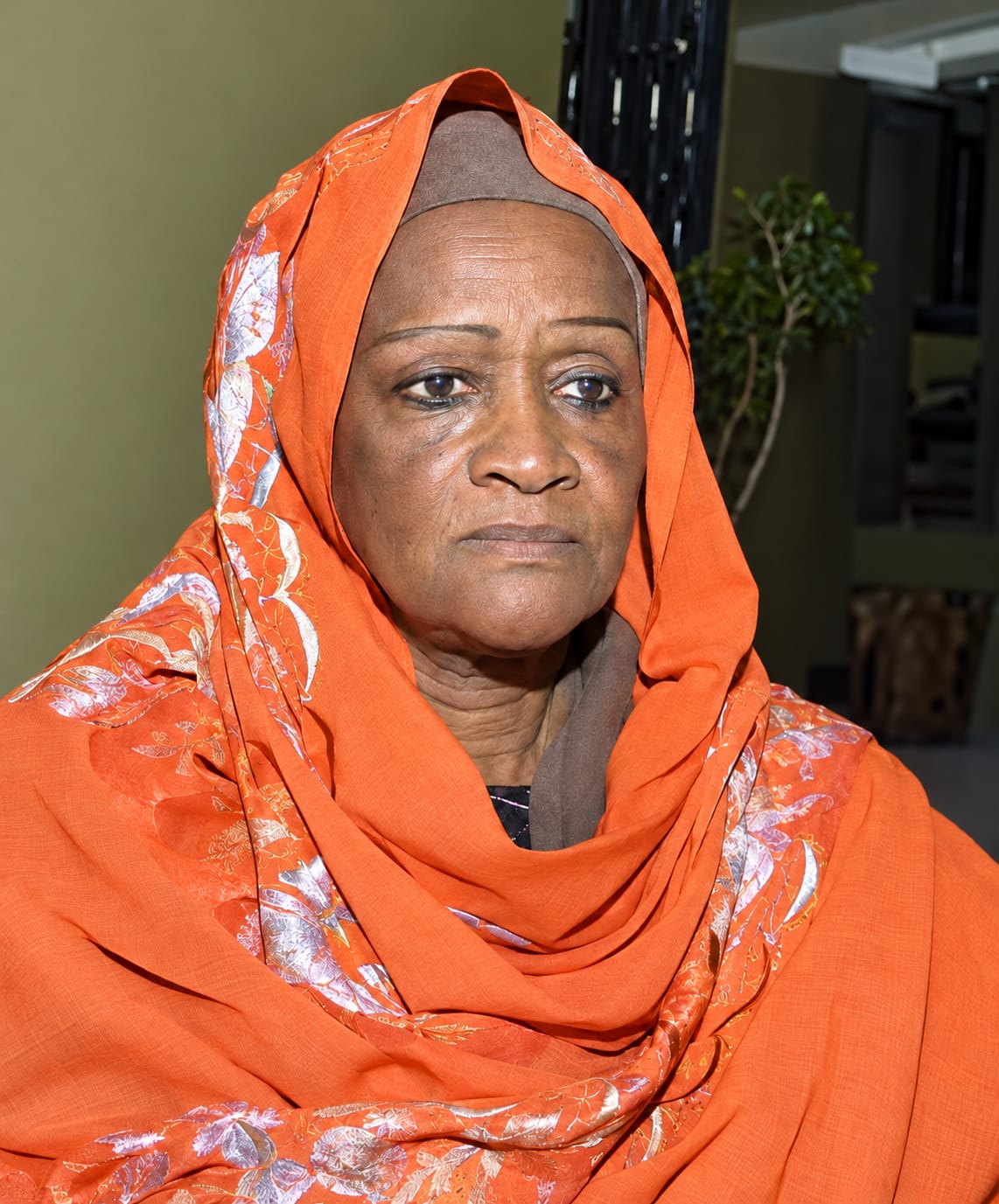
From pioneering television news broadcasts to leading the Sudan News Agency and serving in diplomacy: a distinguished media career that advanced the presence of Sudanese women in leadership.
Khartoum – Sudanow
In the history of Sudanese media, several women have gone beyond the boundaries of their profession to secure a place among its pioneers. Nimat Mohamed Bilal was one of the most prominent among them. From her early appearance on Sudan Television as a news presenter, through her professional advancement within the Sudan News Agency (SUNA), to her appointment as the agency’s Director-General from 1999 to 2002, she charted a career marked by challenges and achievements, breaking into leadership positions that had long remained largely inaccessible to women.
Her career was more than a progression from one professional position to another. It was a journey that brought together journalism, management, diplomacy, sports, and community service, extending to regional and international engagements during significant turning points in Sudan’s history. On the occasion of World Managers Day, Sudanow revisits the story of this pioneering figure, who left her mark on a national media institution and exemplified a Sudanese woman who established her presence through experience and hard work, paving the way for subsequent generations to assume positions of responsibility.
From the Faculty of Arts to Journalism
Nimat Mohamed Bilal graduated from the Faculty of Arts in 1973, the same year she joined the Sudan News Agency as an editor in its Internal News Department. Thus began a professional journey spanning three decades, during which she moved between editorial work, management, and international media assignments.
Before joining the agency, she had already gained early experience in television broadcasting. She is regarded as one of the first Sudanese women to present the main television news bulletin on Sudan Television in 1962, at a time when women’s participation in the media was opening new horizons for their professional presence in national institutions.
Alongside her work at SUNA, she wrote a weekly column for Al-Sahafa newspaper titled Law Qult (“If I Were to Say”), and served as a correspondent for the international news agency IPS. These experiences broadened her engagement with international journalism and exposed her to media practices beyond local institutions.
In 1981, she participated in a three-month training programme in West Germany alongside African women journalists. According to the information contained in her biography, she received a certificate described as equivalent to a diploma, adding new professional knowledge to her practical experience.
SUNA: From the Newsroom to the Top Leadership Position
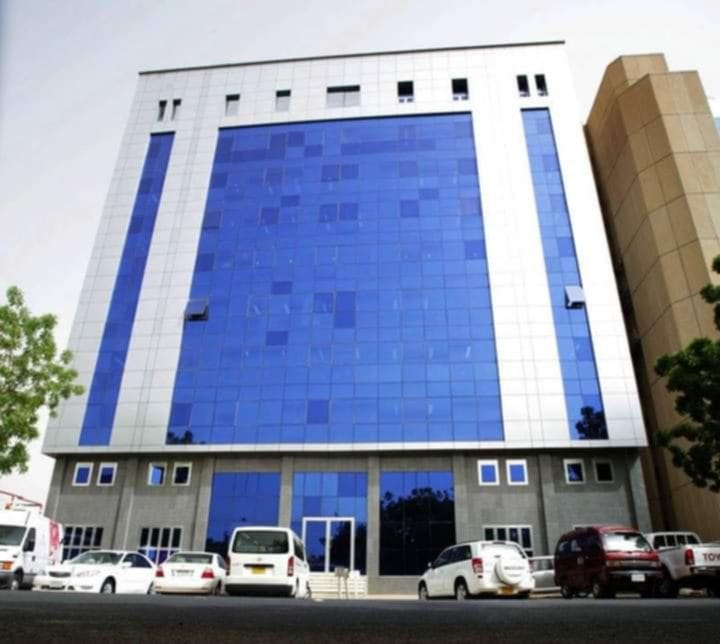
Nimat Bilal steadily advanced within the Sudan News Agency, moving from editorial work into positions of responsibility. She became Deputy Director-General in 1993 before assuming the position of Director-General from 1999 to 2002, establishing a significant place in the history of Sudanese media leadership as the first woman to hold the post.
Her tenure coincided with important technological changes in news operations, including the transition from wireless communication equipment to satellite-based communications. This shift reflected the broader transformation of communication and information transmission in the news industry.
Her responsibilities extended beyond the agency’s daily operations. She led the institution during a period when state media played a central role in reporting news and covering political and diplomatic developments. The position demanded speed, accuracy, and the effective management of professional teams.
Reflecting on the late media pioneer, Dr Fikriya Aba Yazid, a former Director-General of the Sudan News Agency, described Nimat Bilal as a media mentor and a hands-on leader who managed SUNA with wisdom and sound judgement, safeguarded its professionalism and national mission, and gave successive generations of journalists opportunities to benefit from her experience.
Aba Yazid added that Bilal’s career represented an important chapter in the agency’s history, demonstrating the ability of Sudanese women to assume leadership responsibilities in major media institutions.
At the Heart of Events: From International Reporting to Diplomacy
Nimat Bilal’s journalistic assignments took her beyond Sudan’s borders. She participated in covering visits by former Sudanese President Jaafar Nimeiri to Ethiopia, the United Arab Emirates, and Korea. She also represented SUNA in covering Sadiq al-Mahdi’s trip to Japan in 1988.
These assignments gave her opportunities to engage directly with regional and international developments and follow political and diplomatic affairs on the ground. Her experience combined the skills of a field journalist with the demands of working for a national news agency.
In 1997, she was appointed a member of the National Assembly at the request of its then Speaker, Dr Hassan Abdullah al-Turabi. She subsequently participated in Assembly delegations that visited Iran, Pakistan, Korea, and the Soviet Union, expanding her role from journalism into official public affairs.
Nairobi: Media in the Service of Diplomacy
Nimat Bilal’s transition into diplomatic service marked a significant milestone in her career. She was assigned to establish the media counsellor’s office at the Sudanese Embassy in Nairobi, Kenya, with the rank of Minister Plenipotentiary. According to her biography, she was transferred from the Ministry of Information to the Ministry of Foreign Affairs.
The assignment built on her experience in news and media, but introduced a different set of responsibilities involving the management of the embassy’s media communications, monitoring political developments, and strengthening Sudan’s presence in international forums.
Her tenure coincided with a critical phase in Sudan’s peace negotiations, from the Machakos Protocol talks to the Naivasha negotiations. Her media responsibilities were therefore closely connected to a sensitive period in the country’s history.
One notable episode in her career was her meeting with former US Secretary of State Colin Powell. Her biography identifies the encounter as a precedent in Sudanese media engagements with the American official. This aspect of her career illustrates how her work expanded from journalistic reporting to engagement with international diplomatic circles.
Sports and Public Service: Other Avenues of Contribution
According to her husband, engineer Abdelmonem Mahmoud, Nimat Bilal’s interests extended beyond journalism and media. She played basketball while attending Omdurman Secondary School for Girls and later joined the Olympic team at the Nasser Centre on Qasr Street.
She continued her involvement in sports by becoming president of the General Women’s Sports Association, following an appointment by Zain al-Abidin Mohamed Ahmed Abdel Qader, the minister serving during the presidency of Jaafar Nimeiri, according to information provided by her family.
Mahmoud also highlighted her participation in organisations and initiatives connected with media and community affairs. She joined the Sudanese Popular Friendship Committee, became associated with the Arab Women Media Association, contributed to its activities, and headed its Khartoum office.
Her interests also extended to environmental issues. She founded the Green مدار Association, known as Al-Madar Al-Akhdar, and was affiliated with UNESCO in Sudan. These activities reflected the diversity of her interests and her willingness to contribute beyond the traditional boundaries of journalism.
Honours and a Lasting Legacy
Nimat Mohamed Bilal received several honours in recognition of her professional and public service, including the Order of Merit awarded by the Presidency of the Republic. She was also honoured by the Women’s Sports Federation, while the Sudan News Agency paid tribute to her before the outbreak of the war.
After returning from Nairobi, she was placed on early retirement. Nevertheless, she remained connected to the media community through her involvement in women’s media networks, public service, and the activities of the Arab Women Media Association.
In May 2023, Nimat Mohamed Bilal passed away, leaving behind a professional legacy that brought together pioneering journalism, institutional leadership, diplomatic service, and community engagement.
Her career deserves a prominent place in the documentation of Sudanese media history, not simply because she reached a senior leadership position, but because she pursued a multifaceted professional path spanning radio and television, print journalism, news agency operations, diplomacy, and community service. Through this journey, she helped strengthen women’s presence in positions of responsibility.
On World Managers Day, Sudanow remembers Nimat Bilal as an integral part of the institutional memory of Sudanese media. Her story deserves to be known by new generations of journalists and preserved in the historical record of the nation’s press.
Her career demonstrated that media leadership requires professional experience, the ability to shoulder responsibility, and an openness to technological and institutional change. It also showed that women’s access to leadership positions is an important step towards expanding opportunities for participation and influence within institutions.
May Nimat Mohamed Bilal rest in peace. May her professional legacy stand as a testament to a generation of Sudanese media practitioners who regarded words as both a profession and a responsibility, and public service as an opportunity to contribute to society.
Post your comments
Photo of the Week
From Medical Research to the Advancement of Specialized Healthcare: A Scientific Career Bridging Knowledge and Community Service Gedaref – Sudanow Professor Saeed Mohamed Omar has achieved a notable scientific milestone by being included among the world’s top 2% of scientists for 2025–2026 in Clinical Medicine, under the General and Internal Medicine subfield,...
More-

11 October, 2026
Stories from the Heart of the Battlefield On World Teachers’ Day: The Sudanese Teacher — Achievements Against All Odds
Teachers carried their chalk through the rubble and kept working — Resilience War closed schools, but examinations continued — A Mission Low salaries and mounting hardships — The Price of the Profession Khartoum (Sudanow) — Teachers around the world are marking World Teachers’ Day this week, an occasion that carries messages of appreciation and gratitude for those who carry the torch of knowledge...

Contact Us

Address: Sudan News Agency (SUNA) Building, Jamhoria Street, Khartoum - Sudan
Mobile:+249 909220011 / +249 912307547