




Cowpea: A Strategic Economic Crop Enhancing Sudan’s Prospects for Achieving Food Security
01 November, 2026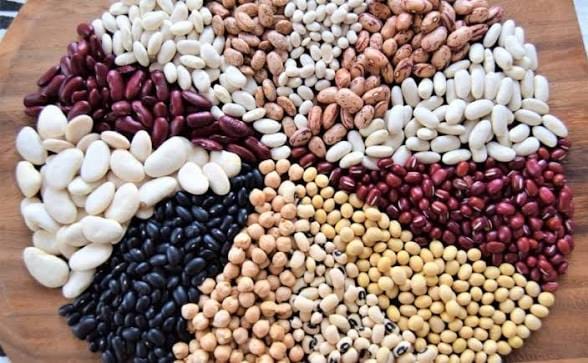
Khartoum (Sudanow) — With meat prices rising rapidly, cowpea offers a more affordable alternative as a readily available source of plant-based protein in Sudan. Widely consumed across the country, it features in numerous traditional dishes, including cowpea stew, salads and boiled preparations.
To explore the nutritional, health and economic value of this crop, Sudanow spoke with Dr. Mohamed Osman Maisara, a consultant in community medicine and public health.

Dr. Maisara explained that cowpea is among the oldest crops known to humankind and is one of the most nutritionally valuable legumes, rich in essential nutrients, including protein, dietary fibre, starch and carbohydrates. Its nutritional and health benefits are numerous, while its varieties differ in characteristics, appearance, colour and uses.
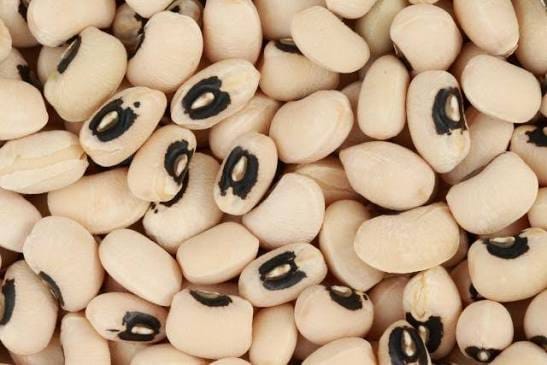
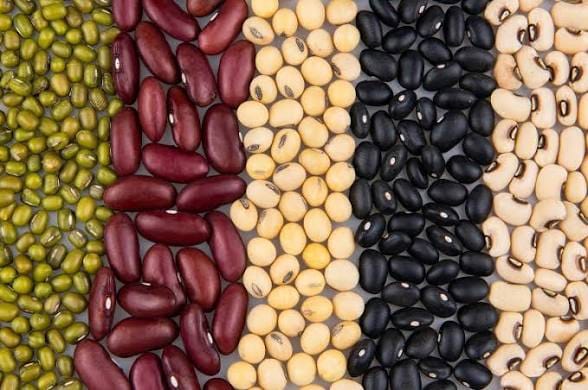
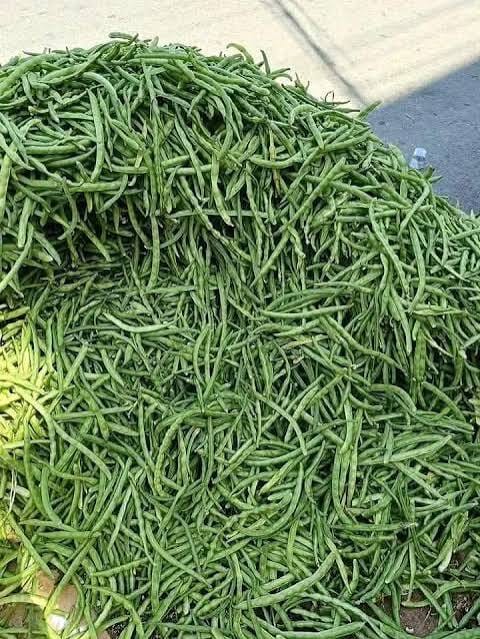
These include black-eyed cowpea, the most widely used variety in cooking; green cowpea, which is consumed fresh; and long-podded cowpea, commonly used in cooking. Other varieties, including radiate cowpea, are used in confectionery and certain dishes, while black cowpea is mainly grown for animal feed.
Cowpea has a long history dating back to ancient civilisations. According to Dr. Maisara, evidence of its cultivation and consumption has been found in ancient Kushite tombs dating back thousands of years. Historical illustrations indicate that it served as a staple and nutritious food for labourers engaged in physically demanding work, including the construction of pyramids and temples. Ancient papyri also refer to cowpea as both food and medicine, documenting its use in traditional remedies for digestive disorders.
In Islamic heritage, it was also recognised as an important food.
One of the crop's major advantages is its remarkable adaptability to harsh environmental conditions. It tolerates salinity, drought and high temperatures, requires relatively little water, and helps restore the fertility of poor soils through nitrogen fixation.
Yields vary according to the intended use. A feddan can produce between two and four tonnes of fresh pods, while seed yields depend on the variety, soil conditions and farming practices.
In Sudan, white and lentil-shaped varieties are widely cultivated in Gezira, Gedaref and Sennar states.
Nutritional and health benefits
Dr. Maisara, an expert in traditional and complementary medicine, noted that cowpea derives much of its nutritional value from its antioxidants and essential minerals, including phosphorus, zinc and magnesium, as well as vitamin C.
These nutrients contribute to protecting cells against oxidative damage and supporting the immune system.
For young people, cowpea provides energy and supports physical activity, particularly among those who engage in sports. As an excellent plant-based protein source, it contributes to muscle and tissue development, while its calcium content supports bone health. Its dietary fibre also promotes digestion and helps maintain a healthy digestive system.
For older adults, cowpea is a valuable dietary choice because of its wide range of essential nutrients. Its low glycaemic index and high fibre content slow the absorption of sugar, helping regulate blood glucose levels. It also contributes to cardiovascular health by helping reduce harmful cholesterol and triglyceride levels and supporting healthy blood pressure.
Dr. Maisara added that cowpea contains tryptophan, an amino acid associated with relaxation and sleep regulation, which may help improve sleep quality.
For children, it provides energy, supports growth and bone development, and supplies nutrients that contribute to immune function and protection against infections.
Women can also benefit from its nutritional properties. Its iron and folic acid content helps prevent iron-deficiency anaemia and supports healthy foetal development during pregnancy, reducing the risk of certain congenital abnormalities. It also provides dietary fibre, which supports digestion and helps relieve constipation. Its nutritional composition may further contribute to women's health during menstruation and after menopause.
However, Dr. Maisara cautioned that excessive consumption may cause digestive discomfort, particularly among people with existing gastrointestinal or colon disorders. It should also be avoided by individuals with legume allergies. Those experiencing gastro-oesophageal reflux symptoms may need to exercise caution.
To reduce digestive discomfort, he recommends soaking cowpea for more than 12 hours, changing the soaking water and ensuring thorough cooking before consumption.
Uses in traditional veterinary medicine
Beyond human nutrition, cowpea also has applications in traditional veterinary medicine.
Dr. Maisara, who is a member of the Permanent Committee for Medicinal and Aromatic Plants and heads a committee established to develop schools of traditional and complementary medicine, explained that cowpea is used as a nutritional supplement for animals and as a traditional remedy for certain digestive problems.
Its leaves are traditionally used as laxatives to regulate bowel movements and help expel intestinal parasites. They are also applied externally as poultices for wounds and skin inflammation.
Cowpea is additionally included in the diets of lactating animals to support milk production and improve its quality. Traditional veterinary practices also associate its nutritional properties with improved reproductive health and fertility in livestock.
From traditional food to value-added industries
The economic potential of cowpea extends far beyond household consumption. In recent years, it has attracted attention as an agricultural raw material with considerable value-added industrial applications across several sectors.
In the food industry, cowpea flour is used to produce gluten-free alternatives, including biscuits, baked goods and pasta. Such products can serve people with wheat-related disorders, particularly those with coeliac disease.
Its extracted proteins can also be used in developing plant-based meat and dairy alternatives, including vegetarian burgers and sausages, products that have witnessed growing international demand.
Cowpea can also be processed into plant-based milk alternatives and used in producing dairy substitutes such as yoghurt and cheese.
Other applications include the production of snacks, roasted products and crisps as alternatives to conventional potato chips.
Given its iron, zinc, phosphorus, calcium and magnesium content, cowpea flour can also be incorporated into natural nutritional products for children, including cereal-based preparations similar to fortified infant cereals.
Ground and dried cowpea is also used in ready-to-prepare soups to enhance their nutritional value.
Its agricultural by-products offer further industrial opportunities. Pods, husks and other residues can be processed into high-protein animal and poultry feed, while its husks, stems and leaves can serve as raw materials in the manufacture of paper, cardboard and certain adhesives.
In traditional and complementary nutrition, cowpea is also being explored for specialised dietary applications, including gluten-free food products. Its nutritional composition and protein content may support dietary rehabilitation and nutritional management. Its low glycaemic index and fibre content also make it a potentially useful ingredient in foods designed for blood sugar management and weight control.
A strategic crop for food security and rural development
Dr. Maisara called for expanded research into cowpea cultivation and processing, alongside the introduction of modern agricultural technology packages to increase productivity and improve the quality of output.
He stressed that the crop offers significant opportunities for strengthening food security, developing value-added industries and stimulating rural economies. Expanding its production and processing could also create employment opportunities for young people, support small-scale industries and strengthen the livelihoods of rural households and family-based enterprises.
In conclusion, Dr. Maisara described cowpea as a crop of considerable nutritional and economic importance in Sudan. It is particularly significant in the daily diets of communities in the northern states, where it is widely consumed, especially during Ramadan.
Beyond its role as a staple food, cowpea is an important cash crop sold in local markets and exported to neighbouring countries. Many rural families depend on its cultivation and trade as a source of income.
He concluded that cowpea should be recognised as a strategic food and economic crop capable of contributing to Sudan's food security, supporting the national economy, generating employment and improving the livelihoods of rural communities.
Post your comments
Photo of the Week

Moscow (Sudanow) — The Russian State University for the Humanities in Moscow has awarded Sudan’s Transitional Sovereignty Council Chairman and Commander-in-Chief of the Armed Forces, General Abdel Fattah Al-Burhan, an honorary doctorate in recognition of his efforts to strengthen Sudanese-Russian relations and promote cooperation between the two countries in the cultu...
More-

25 October, 2026
Tales from the Battlefield “Rest Tonight, Mum”: A Compassionate Gesture That Moved Social Media and Wiped Away a Strugg
A humanitarian initiative goes beyond providing assistance to help build hope Dr Sarah: The war has driven mothers into the markets in search of a livelihood. A video shared on social media has touched the hearts of users, capturing a moving act of kindness by young volunteers from the “Rest Tonight, Mum” initiative. The group reached out to a Sudanese woman displaced from Darfur who struggles to support her family...

Contact Us

Address: Sudan News Agency (SUNA) Building, Jamhoria Street, Khartoum - Sudan
Mobile:+249 909220011 / +249 912307547