


“We Will Return, and Sudan Will Rise Again”: When Drama Becomes a Homeland and a Message for Rebuilding National Conscio
01 November, 2026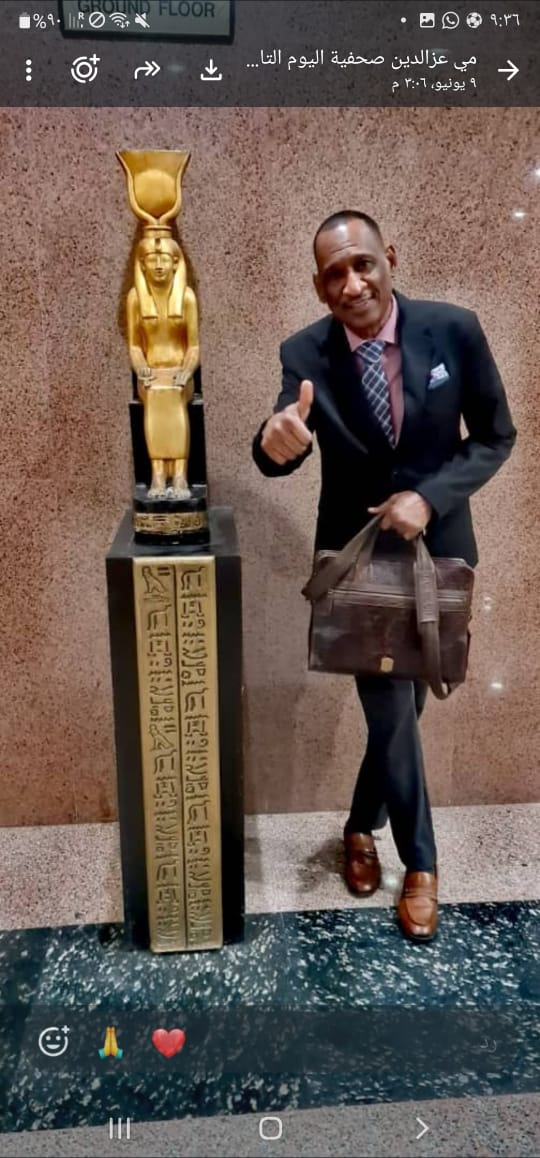
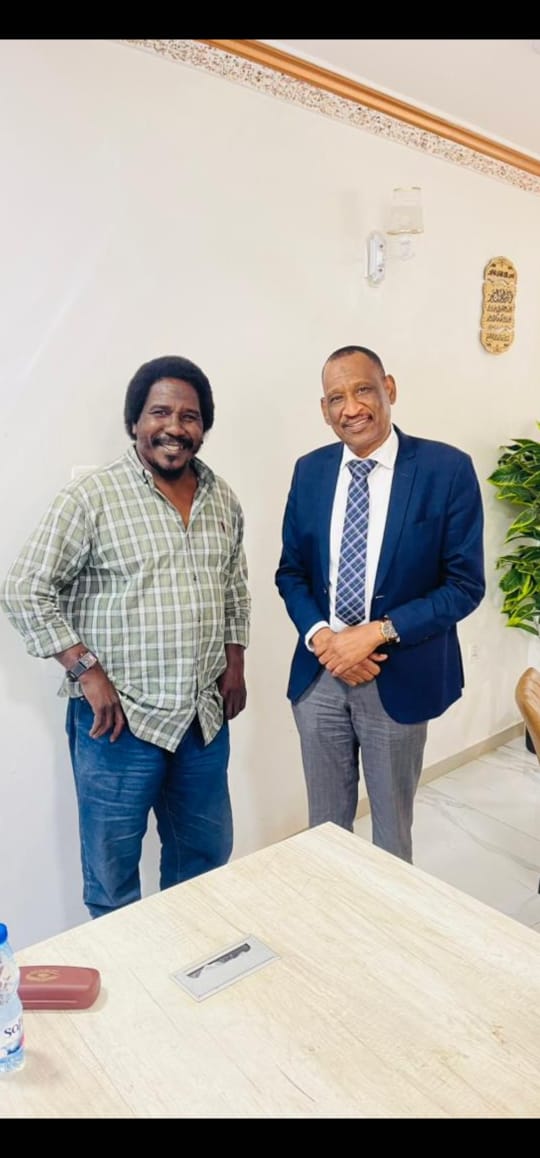
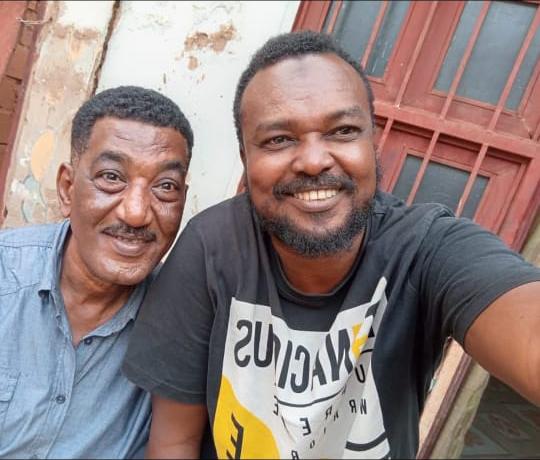
KHARTOUM (Sudanow) — At a time when Sudan continues to grapple with the consequences of war, displacement and exile, and as the need to restore social cohesion and rebuild national identity becomes increasingly urgent, writer, author and economist Dr. Jalal Hamid has launched a drama project entitled “We Will Return, and Sudan Will Rise Again.” Rooted in an intellectual and cultural vision, the project goes beyond conventional artistic production, presenting drama as a means of contributing to the rebuilding of both the nation and its people.
Through its central premise, the series raises a question that extends beyond the television screen: Can Sudanese drama become an effective instrument for rebuilding the nation, restoring the social fabric and fostering a new collective consciousness that transcends the divisions deepened by war?
Speaking to Sudanow, Dr. Jalal Hamid explains that the series revolves around the concept of “We Will Return”. This return does not simply mean the physical return of Sudanese citizens from displacement and exile, or overcoming the pain and devastation they have endured. Rather, it also means reclaiming Sudan itself through a new vision of a homeland that embraces all its people.
He stresses that the Sudan envisioned by the drama project is not necessarily a continuation of the old order. Instead, it is a new nation founded on citizenship and equality, free from racism and regional divisions, and drawing its strength from unity, diversity, economic potential and scientific advancement.
This vision includes building a Sudan free from racism, where people are judged not by their tribe or skin colour, but by their contributions and sense of national belonging. It also calls for moving beyond narrow regional affiliations towards a broader national identity, drawing strength from the unity and cultural diversity of its people, as well as its economic and intellectual resources.
At its heart is the vision of a Sudan that accommodates everyone, transforming this principle from a political slogan into a way of life: a shared home that embraces Sudanese people of all backgrounds, cultures and affiliations.
Drama: A Soft-Power Instrument for Rebuilding Society
Drawing on his experience in both economics and literature, Dr. Jalal Hamid believes that rebuilding nations cannot be achieved through economic measures alone. Nor can politics, however important, independently unite societies. This is where drama assumes a significant role as a form of soft power capable of influencing public consciousness and transforming patterns of thought and behaviour.
He points out that drama can address issues that society has long avoided discussing, particularly racism and tribalism, bringing them into the public domain for criticism and reconsideration through stories, characters and human experiences that reach millions of viewers in their homes, rather than through direct lectures or conventional awareness campaigns.
Drama can also help dismantle hate speech by portraying others as partners in the same homeland, sharing common concerns and aspirations. It can further contribute to shaping the collective consciousness of younger generations and reinforcing the belief that Sudan's diversity is a national asset and a source of strength, rather than a cause of conflict and war.
According to the project's vision, this role has become particularly important at the present stage. The war has demonstrated that rebuilding infrastructure, constructing roads and dams, and restoring physical facilities are not sufficient to establish a stable nation unless these efforts are accompanied by investment in people, the restoration of social relationships and the strengthening of national awareness.
From this perspective, “We Will Return, and Sudan Will Rise Again” conveys a message that the war will eventually end and homes and cities will be rebuilt. Yet the greater challenge lies in rebuilding minds and hearts around the belief in one homeland that has room for everyone.
Dr. Jalal Hamid sums up the project's philosophy by emphasising that art is not a cultural luxury, but a means of reconstruction and change. Just as war has driven Sudanese people apart through weapons, conscious and purposeful drama can help bring them together through love and awareness. It can also make the reconstruction of Khartoum and other war-affected cities part of a broader project to restore the very idea of Sudan in the hearts and minds of its people.
Filming in Five Countries: Diverse Experiences Serving a Shared Vision
On the artistic level, the project's creator believes that a drama series built around the idea of a homeland for everyone requires an artistic treatment that reflects the depth of its message and cannot be produced through conventional formats alone.
In this context, filming took place in five countries: Sudan, Egypt, Qatar, the United States and Rwanda. The production draws on diverse environments and human experiences, with Rwanda offering an example of a country that endured difficult circumstances and subsequently embarked on a path towards recovery and the restoration of stability and social cohesion.
The choice of filming locations reflects an approach that seeks to present the project's message beyond geographical boundaries, drawing on different experiences of confronting crises and rebuilding societies.
Theatre and Drama in Sudanese Life: More Than Entertainment
Dr. Jalal Hamid's vision for the series is closely connected to his broader interest in the role of theatre and drama in Sudanese society, particularly in light of the psychological and social challenges created by the war.
In his view, theatre is a natural extension of Sudanese culture, which is deeply rooted in storytelling, oral communication and wansa—the traditional Sudanese practice of informal social conversation and shared storytelling.
These traditions have long been embedded in society, from the storytelling circles of the Hakamat—traditional women poets and singers—to the Judiya councils, where dialogue and the exchange of personal accounts have served as means of expressing human experiences and addressing social issues.
Theatre can therefore be regarded as a modern-day record of Sudan, a cultural space where people meet as equals, united as members of an audience beyond social, regional and tribal differences.
Theatre also assumes particular importance as a means of psychological release and collective healing following the trauma of war, displacement and loss experienced by Sudanese people. Seeing one's suffering portrayed on stage offers an opportunity to express emotions through tears, laughter and even shouting, while helping individuals recognise that they are not alone in facing pain and hardship.
In this context, drama therapy emerges as an approach that enables individuals and communities to express and confront painful experiences through performance, acting and collective interaction.
A third role of theatre lies in its potential to serve as a school for promoting patriotism and the values of citizenship. While people learn reading and writing at school and receive religious instruction in places of worship, theatre offers an opportunity to understand others and appreciate their human experiences by stepping into different characters and listening to diverse perspectives.
Such interaction can promote tolerance and acceptance of others, strengthen a culture of dialogue, and introduce audiences to democratic values and peaceful coexistence, helping to establish a broader and more inclusive understanding of Sudanese identity.
The Battle for Awareness: A Responsibility Beyond Drama
The concept behind “We Will Return, and Sudan Will Rise Again” highlights that Sudan's next battle will not be exclusively military or economic. It will also be a battle for awareness, culture and identity, requiring the participation of government institutions, the private sector, creative professionals and civil society.
Several proposals emerge from this vision to strengthen the role of drama and theatre in the post-war period, including:
- Supporting the writing and production of dramatic works addressing national identity, peaceful coexistence, and opposition to racism and regional discrimination.
- Establishing theatre workshops in displacement and refugee camps, allowing those affected by the war to express their experiences and participate in cultural activities that contribute to psychological and social recovery.
- Encouraging the government and private sector to support purposeful dramatic and theatrical productions and incorporate them into a comprehensive national programme for cultural reconstruction.
- Integrating drama and theatre into school curricula and extracurricular activities as important educational tools for raising a generation that believes in citizenship, rejects racism and embraces diversity.
“We Will Return” Set for Release Next Ramadan: Previous Dramatic Works
The series “We Will Return, and Sudan Will Rise Again” is scheduled to be broadcast during the upcoming Ramadan season, adding to Dr. Jalal Hamid's experience in using drama to address national and social issues.
He previously wrote the television series “Sikkat Dayaa” (Roads to Loss), which explored addiction and its social and human consequences, as well as “Duroob Al-Awda” (Roads of Return), which focused on irregular migration and human trafficking.
These productions form part of his broader commitment to creating dramatic works that address real-life social challenges, using art as a vehicle for raising awareness and examining issues that demand public attention.
Between returning from exile, rebuilding devastated cities and restoring relationships among the people of one nation, “We Will Return, and Sudan Will Rise Again” presents a vision of drama that extends beyond entertainment. It seeks to create a space for dialogue, reflection and the restoration of trust, conveying a cultural message that rebuilding Sudan begins with rebuilding its people and renewing their belief in a homeland that has room for everyone.
Post your comments
Photo of the Week
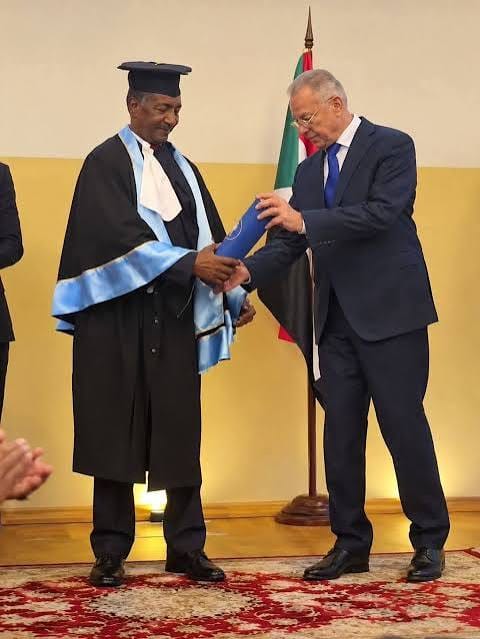
Moscow (Sudanow) — The Russian State University for the Humanities in Moscow has awarded Sudan’s Transitional Sovereignty Council Chairman and Commander-in-Chief of the Armed Forces, General Abdel Fattah Al-Burhan, an honorary doctorate in recognition of his efforts to strengthen Sudanese-Russian relations and promote cooperation between the two countries in the cultu...
More-
25 October, 2026
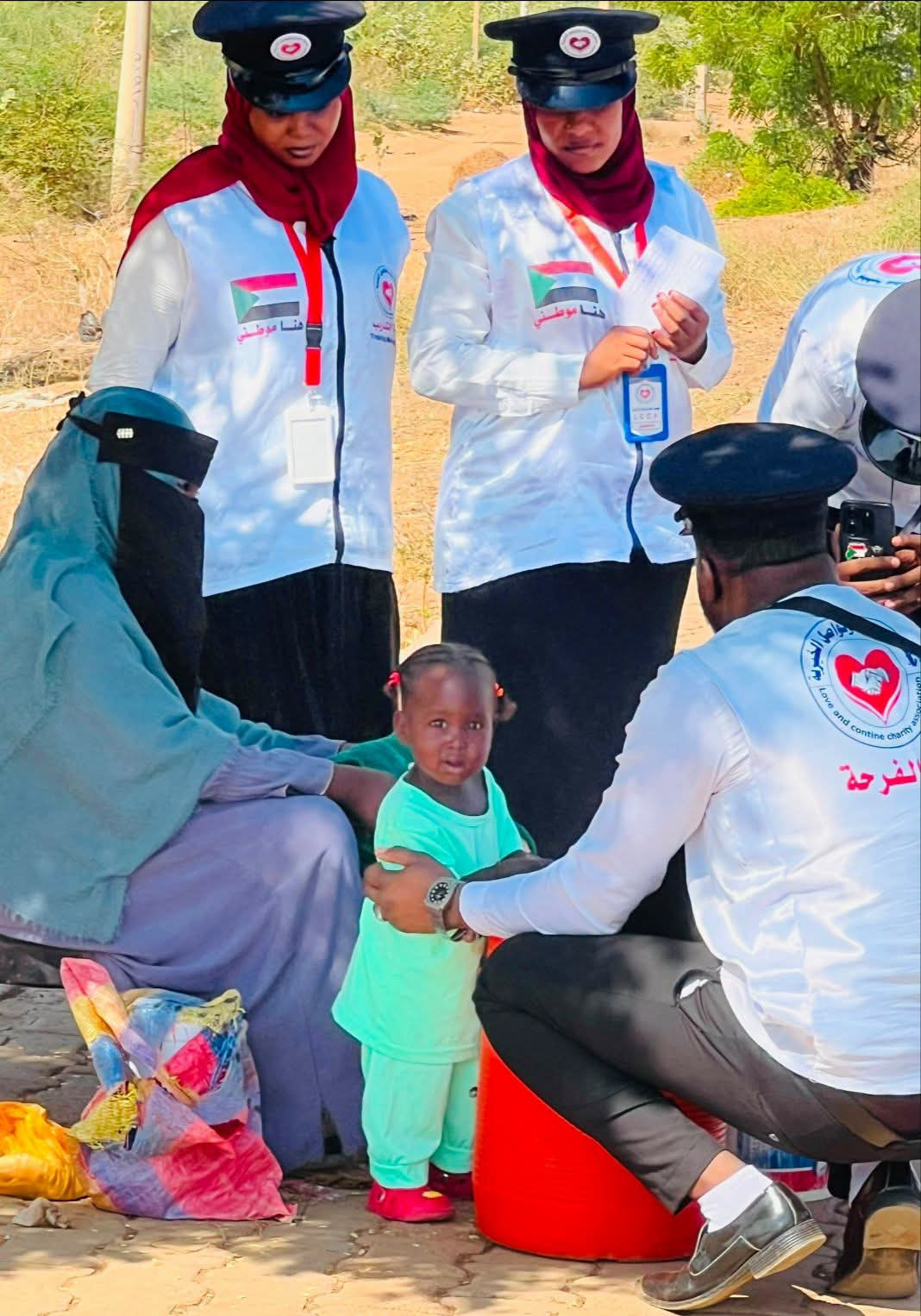
Tales from the Battlefield “Rest Tonight, Mum”: A Compassionate Gesture That Moved Social Media and Wiped Away a Strugg
A humanitarian initiative goes beyond providing assistance to help build hope Dr Sarah: The war has driven mothers into the markets in search of a livelihood. A video shared on social media has touched the hearts of users, capturing a moving act of kindness by young volunteers from the “Rest Tonight, Mum” initiative. The group reached out to a Sudanese woman displaced from Darfur who struggles to support her family...

Contact Us

Address: Sudan News Agency (SUNA) Building, Jamhoria Street, Khartoum - Sudan
Mobile:+249 909220011 / +249 912307547