

Sudan’s Power Stations Under Drone Fire: A “War of Darkness” Tightens the Pressure on Civilians
02 November, 2026
Continued Attacks on Sudan’s Electricity Infrastructure
Billions of Dollars in Losses… Regional and International Silence…
Protecting Essential Service Facilities Requires a National Position That Transcends Political Divisions
Prime Minister’s Adviser: Attacks Are Part of a Broader Plan Beyond the Militia’s Capabilities
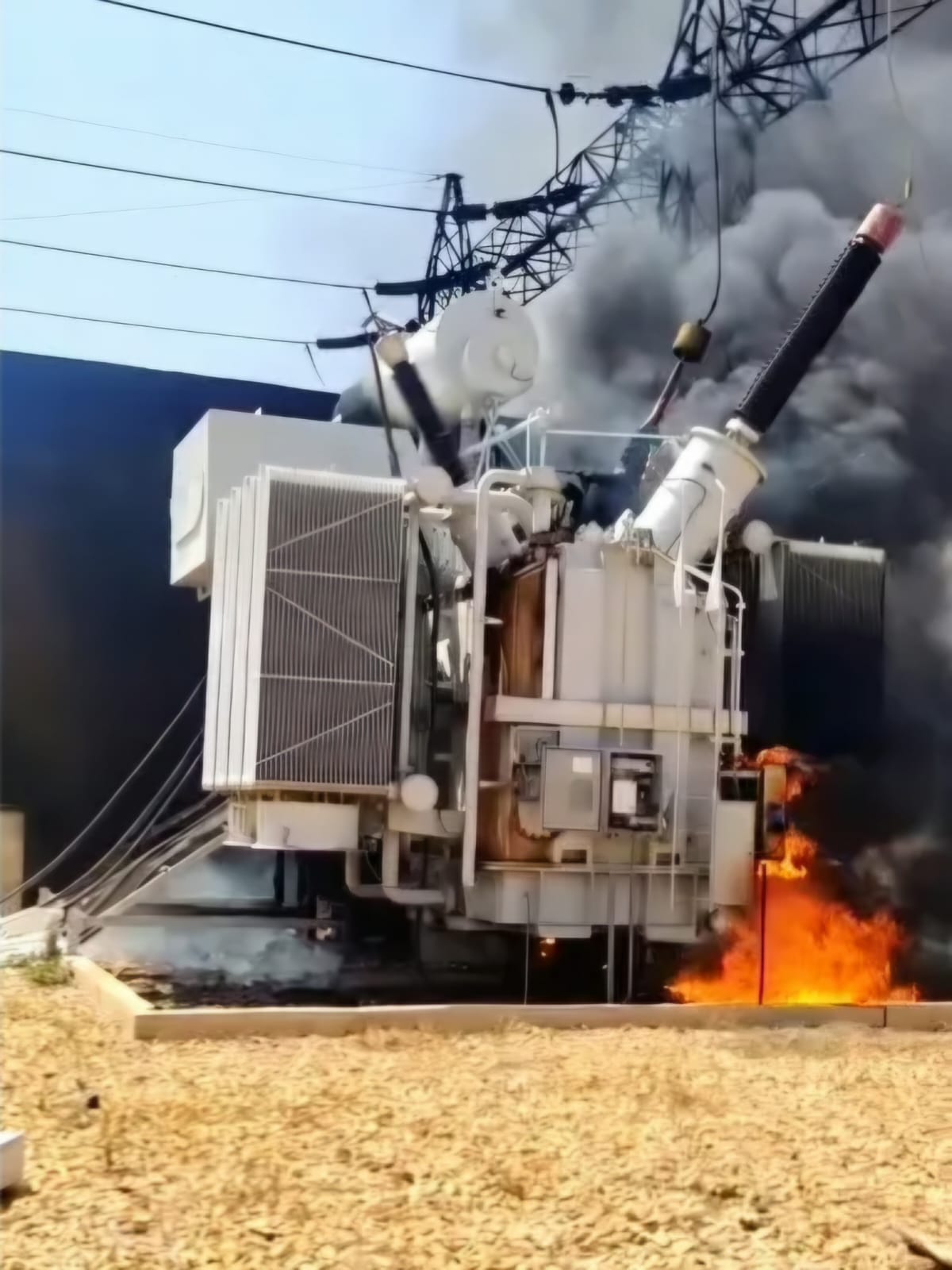
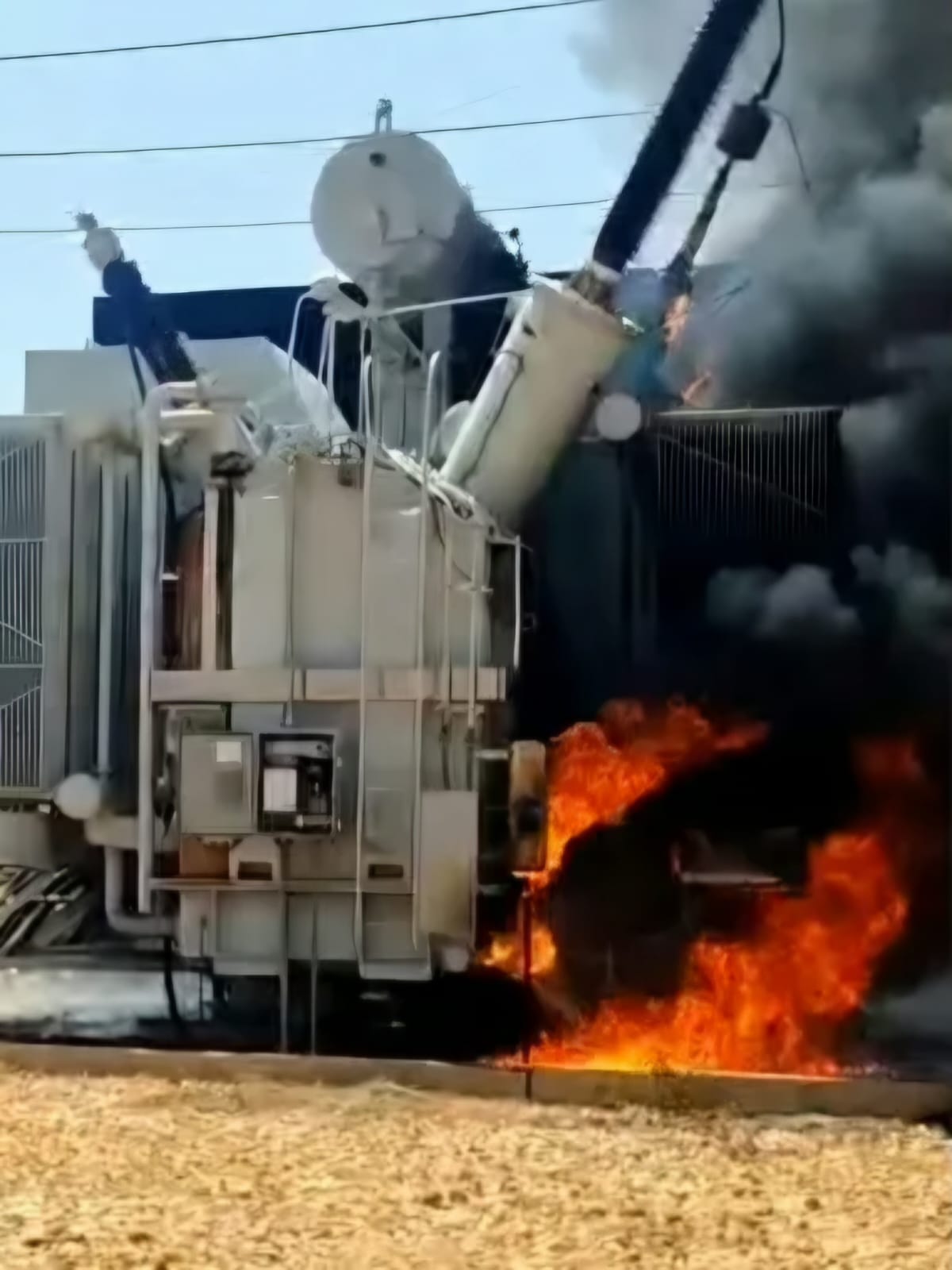
The Rapid Support Forces (RSF), allegedly backed by regional actors, including the UAE and Ethiopia, have intensified their drone attacks on electricity generation and transmission facilities in several Sudanese cities and states. The escalation appears aimed at plunging the country into darkness, destroying vital infrastructure and further aggravating the hardships faced by civilians already struggling with deteriorating living conditions and declining essential services.
The renewed targeting of electricity facilities brings back memories of the widespread destruction witnessed in Khartoum during the RSF presence, when looting and vandalism affected power cables, copper wiring and other components of the country's infrastructure.
Mounting Losses
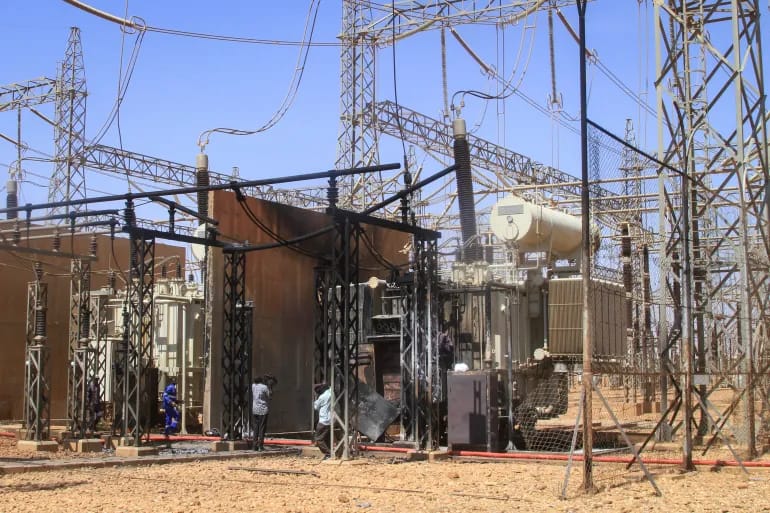
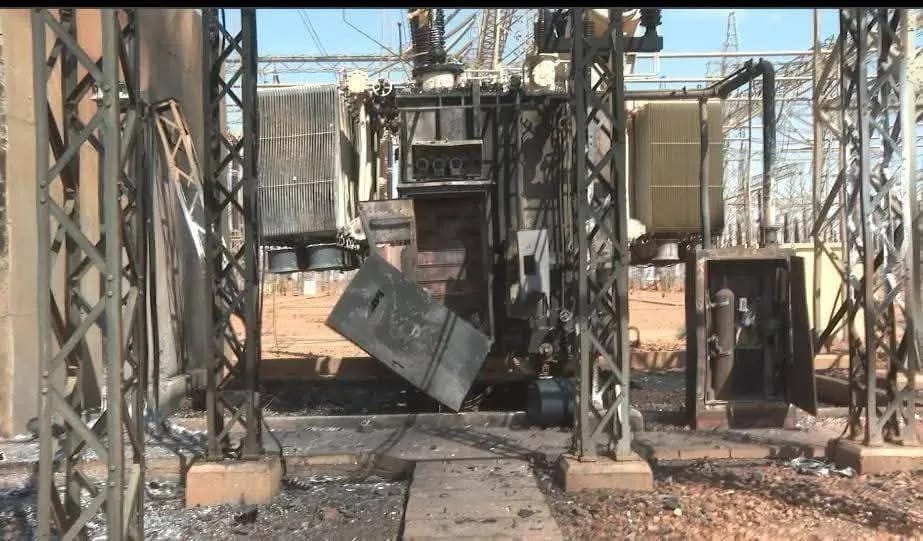
Drone attacks launched from Ethiopian territory have targeted electricity transmission substations, generation facilities and other energy-related installations, inflicting losses estimated at billions of dollars on Sudan's electricity sector.
However, experts and specialists warn that the consequences extend far beyond the direct damage to power stations and equipment. The shutdown of any electricity facility can disrupt water supplies, healthcare services, commercial activities and industrial operations, further worsening the daily lives of citizens, particularly in areas already suffering from the consequences of war and inadequate public services.
These attacks also raise concerns that regional actors supporting the RSF may be seeking to exert pressure on civilians, hoping that mounting public hardship will translate into pressure on the country's leadership to return to the negotiating table.
A Broader Scheme
The Prime Minister's Adviser, Musleh Nassar Al-Rashidi, accused the RSF of being behind the attacks on electricity facilities, describing them as part of a broader scheme that extends beyond the militia's operational capabilities and threatens Sudan's security and stability, as well as that of the wider region.
According to the Sudan News Agency (SUNA), Al-Rashidi warned that regional and international silence over attacks on vital infrastructure could lead to the normalisation of assaults on essential civilian facilities. He commended Egypt's position in condemning attacks on civilian infrastructure and called on Sudanese political forces and national constituencies to adopt a clear stance against such attacks.
He stressed that protecting essential service facilities requires a unified national position that rises above political divisions.
These statements come amid growing concerns over the expanding regional dimensions of the war, particularly in light of allegations concerning the involvement of Ethiopia and the UAE in providing support and assistance to the RSF.
Protecting civilian facilities and critical infrastructure therefore remains a responsibility that requires a clear position from the regional and international communities, including the condemnation of any attacks that endanger civilian lives and livelihoods.
A National Priority
The repeated attacks on power stations place Sudanese authorities before a challenge that goes beyond repairing damage and restoring electricity supplies. It also requires strengthening infrastructure protection and enhancing the capacity of relevant institutions to detect threats and respond effectively.
Other priorities include securing spare parts and maintenance supplies, as well as developing emergency plans to ensure the continued provision of minimum essential services whenever attacks occur.
Military experts stress the importance of closer coordination between security and technical agencies, developing early-warning systems, and strengthening the protection of generation plants, transmission substations and power lines.
These measures should go hand in hand with systematic documentation of damage and accurate assessments of rehabilitation requirements to facilitate the mobilisation of the necessary support for reconstruction.
Protecting Electricity Means Protecting Lives
Ultimately, the continued attacks on electricity facilities place an additional burden on citizens, who have already paid a heavy price since the outbreak of the war.
This situation places a clear responsibility on the authorities and relevant institutions to make the protection of civilian infrastructure an absolute priority. Sudanese diplomacy must also take effective action to mobilise regional and international support, secure condemnation of attacks on vital facilities and prevent further escalation.
Equally important is the need for a national consensus that places the protection of essential services above political disagreements.
Electricity is a lifeline and a fundamental prerequisite for the return of displaced citizens and the restoration of stability. The more effectively Sudan succeeds in protecting and rehabilitating its electricity infrastructure, the stronger its prospects for recovery, reconstruction and sustainable stability will become.
Post your comments
Photo of the Week
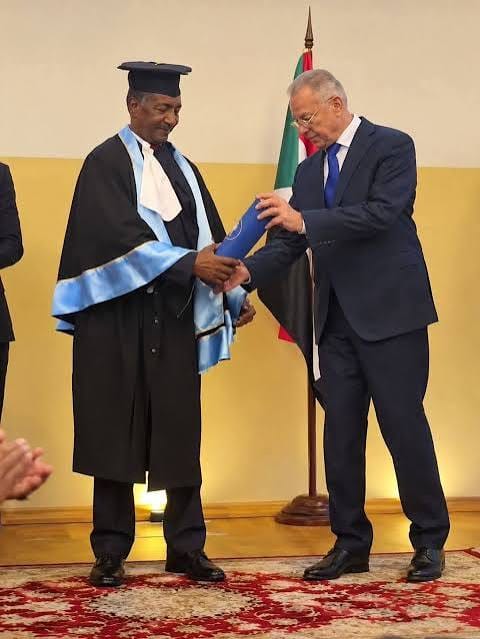
Moscow (Sudanow) — The Russian State University for the Humanities in Moscow has awarded Sudan’s Transitional Sovereignty Council Chairman and Commander-in-Chief of the Armed Forces, General Abdel Fattah Al-Burhan, an honorary doctorate in recognition of his efforts to strengthen Sudanese-Russian relations and promote cooperation between the two countries in the cultu...
More-
25 October, 2026
Tales from the Battlefield “Rest Tonight, Mum”: A Compassionate Gesture That Moved Social Media and Wiped Away a Strugg
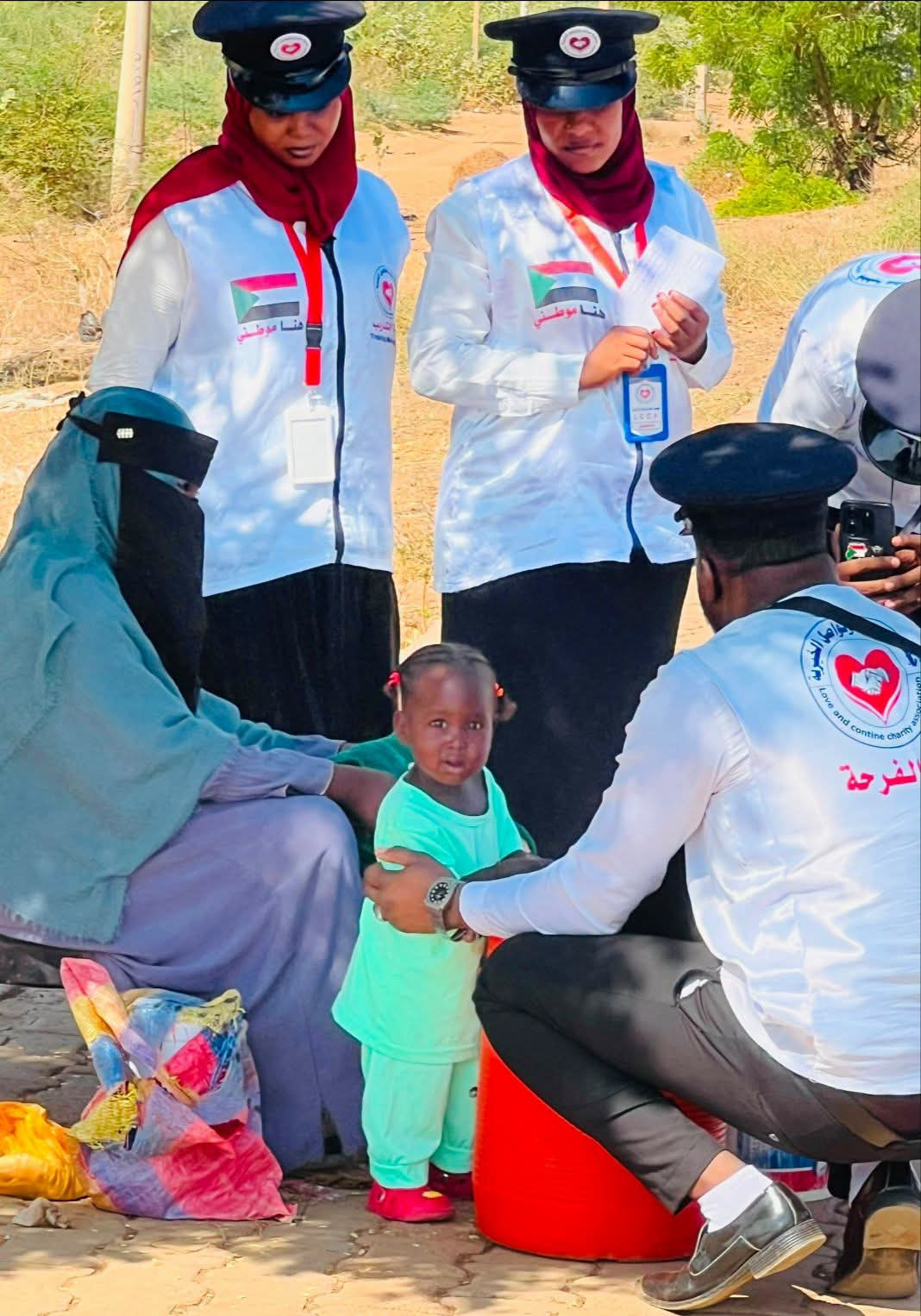
A humanitarian initiative goes beyond providing assistance to help build hope Dr Sarah: The war has driven mothers into the markets in search of a livelihood. A video shared on social media has touched the hearts of users, capturing a moving act of kindness by young volunteers from the “Rest Tonight, Mum” initiative. The group reached out to a Sudanese woman displaced from Darfur who struggles to support her family...

Contact Us

Address: Sudan News Agency (SUNA) Building, Jamhoria Street, Khartoum - Sudan
Mobile:+249 909220011 / +249 912307547