




Social Estrangement and Gossip from a Psychological Perspective
08 November, 2026
Khartoum – (Sudanow)
Professor Muath Sharafi, Consultant in Mental Health and Scientific Recovery, continues his series of studies on the phenomenon of gossip and social estrangement, two of the most complex behaviors within the human social fabric. These are not merely casual verbal practices; rather, they are psychological symptoms and manifestations rooted in the deeper structure of personality, profoundly affecting the mental well-being of the individuals involved, including the perpetrator, the victim, and society as a whole.
The Psychological Dimensions of Gossip: Why Do People Gossip?
From the perspectives of social and psychodynamic psychology, gossip can be understood as a defensive or compensatory mechanism through which individuals seek to satisfy unmet psychological needs. Its main underlying motives include:
Compensation for Inner Inadequacy (Inferiority Complex):
According to Alfred Adler's theories, individuals who experience deep-seated feelings of inferiority may resort to highlighting the shortcomings of others. Criticizing and belittling others provides them with a temporary illusion of superiority, as though reassuring themselves: "If they are flawed, then I must be better."
Social Acceptance and Belonging:
Gossip can be regarded as a form of "social currency" used to gain membership within a group. Exchanging secrets and discussing absent individuals creates a quick but superficial sense of intimacy, making participants feel that they belong to an exclusive circle and satisfying their need for social acceptance.

Releasing Repressed Aggression:
When individuals feel angry toward someone they cannot confront directly, whether out of fear or a sense of weakness, that anger may turn into indirect aggression. Gossip then becomes an outlet for releasing feelings of resentment and envy without having to face the consequences of direct confrontation.
Low Self-Esteem and Psychological Projection:
Individuals who lack a sense of personal achievement may seek validation by comparing themselves with others. Discussing other people's flaws becomes an attempt to divert attention from their own inner emptiness and project their shortcomings onto others.
The Psychological Dimensions of Estrangement: Why Do People Cut Others Out of Their Lives?
Social estrangement often represents a psychological self-protection strategy. However, it may also indicate difficulties in coping with conflict and managing interpersonal relationships. Its underlying causes include:
Withdrawal as a Defense Mechanism:
When personal boundaries are repeatedly violated or an individual experiences recurring betrayal, they may resort to cutting off contact as a protective shield. This is an attempt to reduce stress and restore inner peace by distancing themselves from the perceived source of threat.
Emotional Rigidity and Difficulty Forgiving:
Estrangement may result from an inflated ego and narcissistic stubbornness, whereby an individual refuses to make any concessions, viewing compromise as an attack on their dignity. This type of estrangement reinforces emotional harshness and deepens feelings of bitterness.
Discharging Negative Emotions Through Avoidance:
Sometimes, individuals cut themselves off from those around them to avoid confronting their own shortcomings. The people in their lives may serve as mirrors reflecting aspects of their personalities they would rather not acknowledge. Consequently, distancing themselves from others becomes a temporary escape from confronting uncomfortable truths.
The Mutual Psychological Effects
On the Gossiping or Estranged Individual:
- Loss of Inner Security: The individual may live in a state of persistent anxiety and social mistrust, constantly fearing that others will treat them in the same way they treat people.
- Emotional Erosion: Persistent estrangement may weaken an individual's capacity for deep empathy, gradually reducing human relationships to superficial connections.
On the Surrounding Environment (Family and Society):
Gossip creates an atmosphere of suspicion and collective tension. Everyone becomes aware that absent individuals are vulnerable to discussion and criticism, undermining psychological safety and a sense of belonging. This becomes particularly damaging in communities that urgently need solidarity and cohesion, especially in the post-war period.
Treatment and Psychological Reconstruction
Self-Awareness (Mindfulness):
The process begins with monitoring everyday conversations and reflecting on the motives behind one's behavior by asking: What psychological need am I trying to satisfy at this moment? Is it a feeling of inadequacy or a desire for attention?
Building an Independent Sense of Identity:
This involves focusing on personal achievements and self-development, strengthening self-confidence and reducing the excessive preoccupation with other people's lives.
Developing Emotional Intelligence and Setting Boundaries:
This requires replacing gossip with constructive confrontation or conscious silence, and replacing absolute estrangement with the establishment of clear, healthy boundaries, without resorting to permanent and potentially destructive severance of relationships.
In Conclusion
Gossip seeks false value in other people's flaws, while estrangement seeks false peace in abandoning others. True healing begins when individuals discover their sense of worth and peace within themselves.
Post your comments
Photo of the Week

Moscow (Sudanow) — The Russian State University for the Humanities in Moscow has awarded Sudan’s Transitional Sovereignty Council Chairman and Commander-in-Chief of the Armed Forces, General Abdel Fattah Al-Burhan, an honorary doctorate in recognition of his efforts to strengthen Sudanese-Russian relations and promote cooperation between the two countries in the cultu...
More-
25 October, 2026
Tales from the Battlefield “Rest Tonight, Mum”: A Compassionate Gesture That Moved Social Media and Wiped Away a Strugg
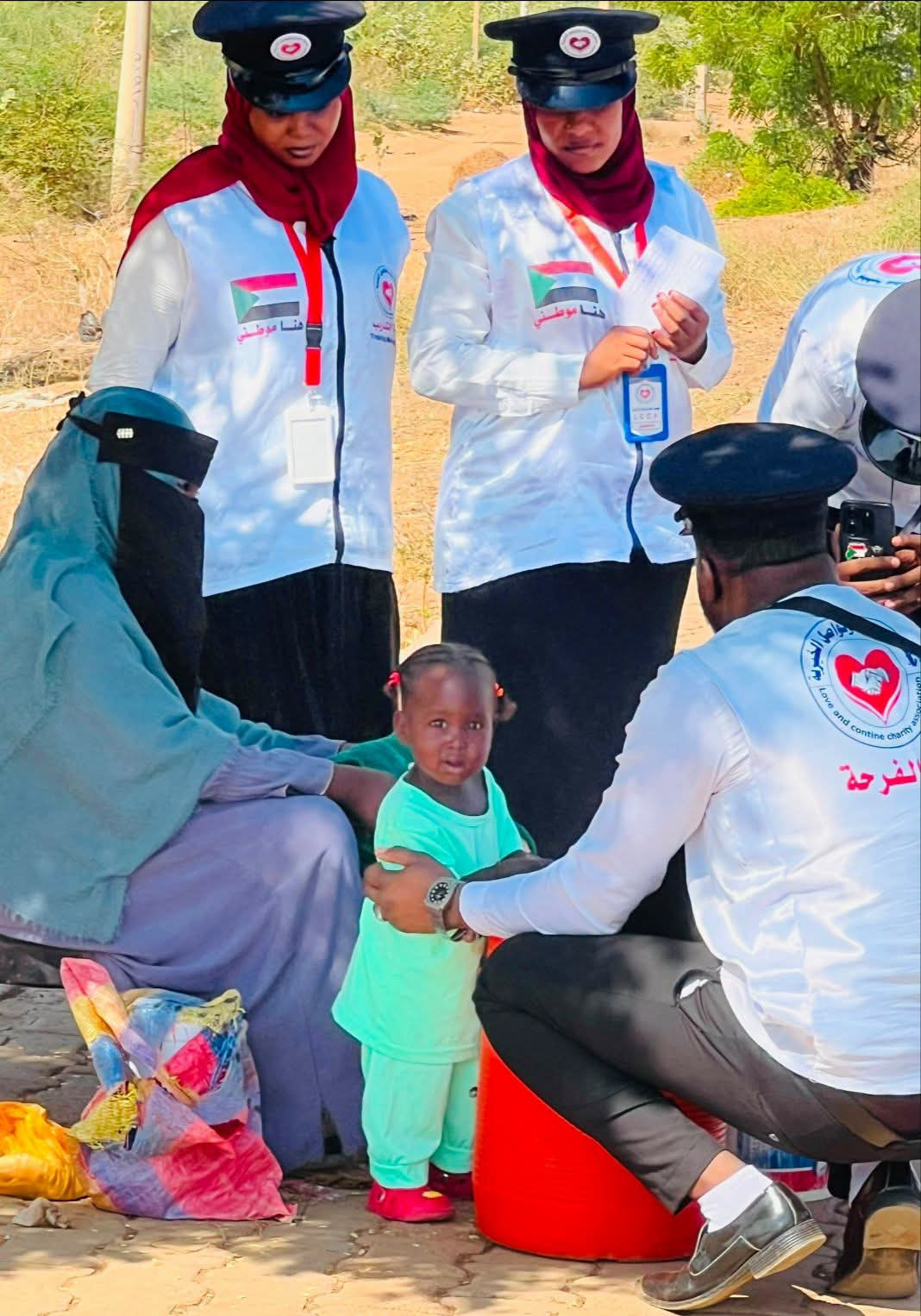
A humanitarian initiative goes beyond providing assistance to help build hope Dr Sarah: The war has driven mothers into the markets in search of a livelihood. A video shared on social media has touched the hearts of users, capturing a moving act of kindness by young volunteers from the “Rest Tonight, Mum” initiative. The group reached out to a Sudanese woman displaced from Darfur who struggles to support her family...

Contact Us

Address: Sudan News Agency (SUNA) Building, Jamhoria Street, Khartoum - Sudan
Mobile:+249 909220011 / +249 912307547