

Abu Hamad: From the Capital of Gold to an Economic Capital for Northern Sudan
08 November, 2026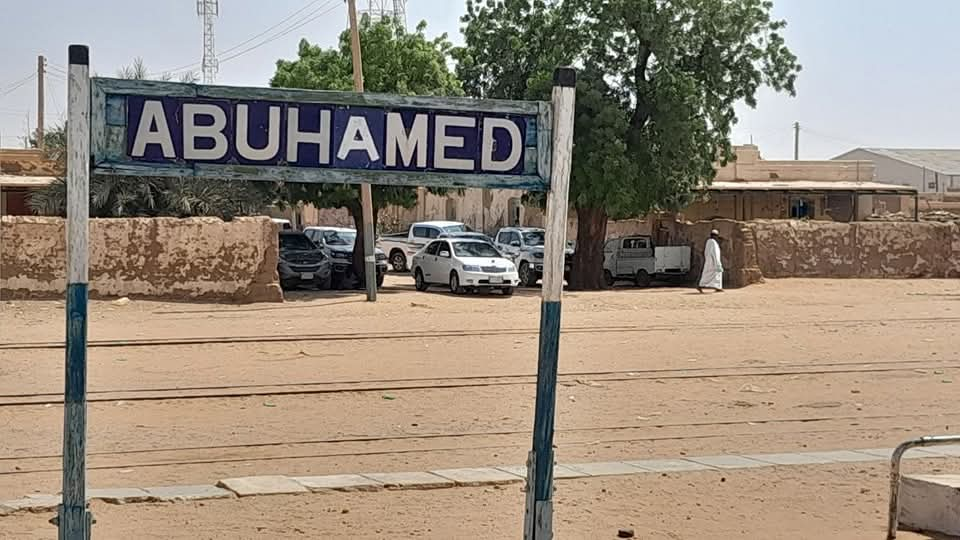
People and Investment: How Can Abu Hamad Become a City That Attracts Young People and Shapes the Future?
Khartoum (Sudanow) — Continuing his series of historical and tourism-focused explorations of the city of Abu Hamad, writer and researcher Dr. Yasser Ibrahim, in this sixth instalment, observes that some cities possess natural resources, while others possess the ability to turn those resources into opportunities.
Abu Hamad now stands at a historic crossroads. It possesses not only gold, the Nile, and a strategic location, but also the human potential capable of transforming these assets into an integrated development project.
But the most important question is: Can Abu Hamad become a city that attracts young people and investment?
The answer begins with recognising a fundamental truth: cities do not succeed through resources alone. Their success depends on people, institutions, and vision.
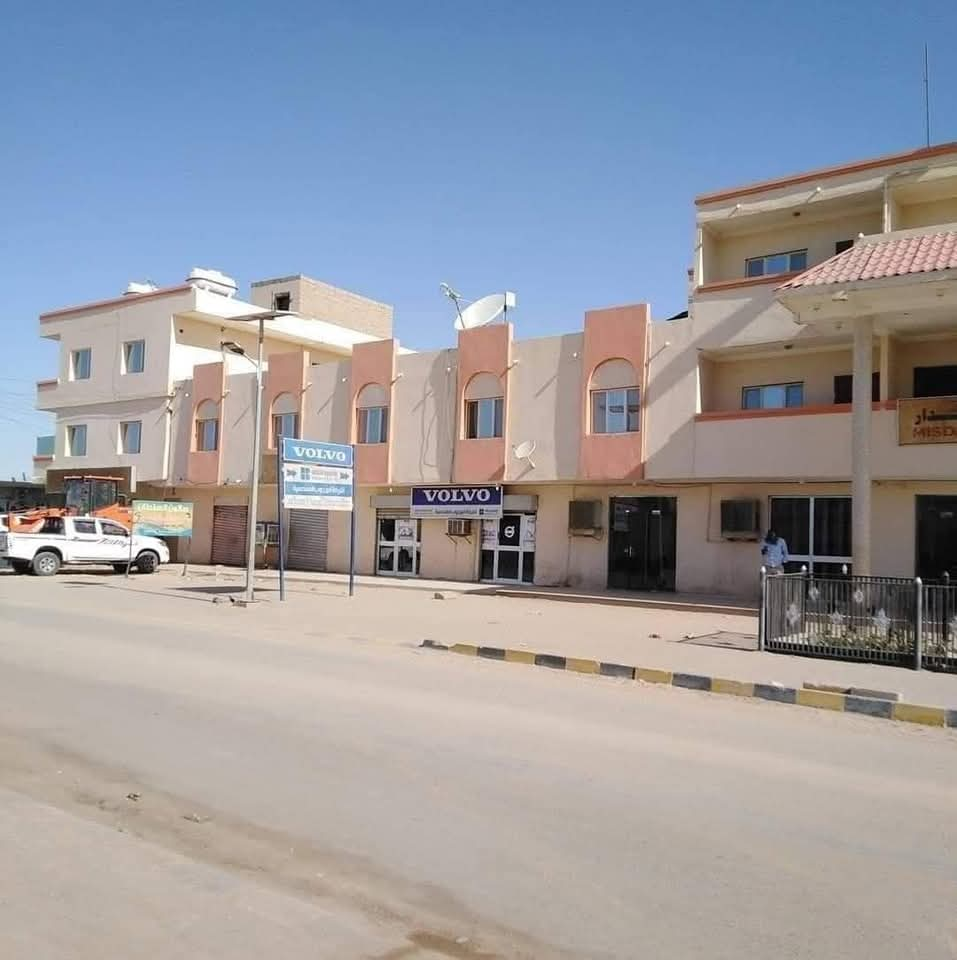
Young People: The Force That Shapes the Future
Young people represent the greatest asset of any city seeking progress. They are not merely job seekers; they are a source of productivity, innovation, and entrepreneurship, with the ability to turn ideas into viable projects.
Abu Hamad therefore needs training and professional development programmes aligned with labour-market requirements, particularly in mining, industry, agriculture, energy, transport, services, and tourism.
It also needs to support small and medium-sized enterprises, establish business incubators and innovation centres, and provide financing institutions that help young people move beyond searching for jobs towards creating them.
A city that equips its young people with knowledge, skills, and opportunities secures a stronger and more stable future for itself.
Investment Needs an Attractive Environment
Investors are not drawn to a city simply because it possesses natural resources. They also look for an environment that is transparent, secure, and well organised.
They need good roads, reliable electricity, water and telecommunications services, banking facilities, designated investment land, streamlined procedures, clear legislation, and institutions capable of protecting their investments.
Abu Hamad therefore needs to establish an integrated system for investor services, beginning with a one-stop shop and extending through the launch and operation of projects, with ongoing follow-up and the removal of obstacles.
Investment does not thrive on bureaucracy or uncertainty. It grows where trust, stability, and transparency prevail.
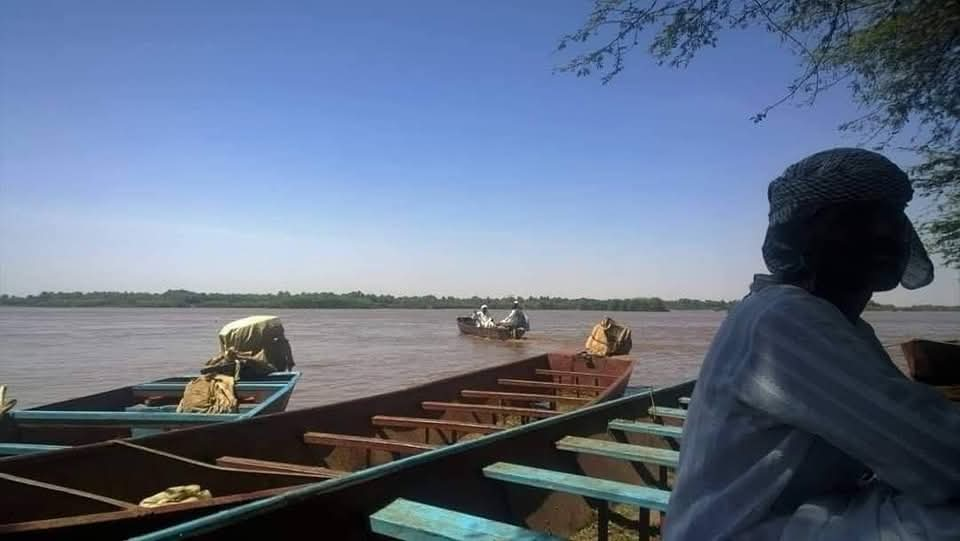
A Modern City That Preserves Its Identity
Modernisation does not mean losing a city's identity.
Abu Hamad is not merely an urban area available for construction. It is a city with a history, collective memory, community, and distinctive cultural character.
Urban planning must therefore strike a balance between modernity and authenticity through well-organised neighbourhoods, modern markets, public facilities, and green spaces, while preserving the city's local character, historic sites, and natural environment.
A successful city is not one that resembles every other city, but one that develops without losing its distinctive identity.
Education: The Foundation of an Attractive City
A modern economic city cannot be built without a strong education system.
Abu Hamad needs advanced schools, vocational institutes, specialised training centres, and meaningful links between education and the needs of the local economy.
It could also introduce university and vocational programmes in mining, geology, engineering, energy, agriculture, business administration, tourism, and environmental studies.
Every factory needs technicians, every project needs engineers, and every city needs administrators, planners, and researchers.
Education is not a service separate from development; it is the foundation upon which development as a whole rests.
Women: Essential Partners in Development
Abu Hamad's development cannot be complete without the active participation of women.
Women can play a vital role in agricultural projects, food processing, handicrafts, services, education, healthcare, tourism, and home-based businesses.
Training, financing, and access to markets are essential to transforming women's potential into productive enterprises that contribute to household incomes and the city's economy.
A society that creates opportunities for all its members is better equipped to grow and sustain its progress.
Public Services: The Foundation of Quality of Life
Natural resources may attract investors, but public services are what persuade people to stay.
Abu Hamad therefore needs to upgrade its hospitals and health centres, improve water, electricity, and telecommunications services, provide schools and sports and cultural facilities, and enhance transport within the city and between it and other areas.
An attractive city is not simply a place of factories and commercial projects. It is a place where people can enjoy a dignified, safe, and stable life.
Security and Stability: Indispensable Conditions
No economic project can succeed in the absence of security and stability.
Investors need protection for their capital, workers need a safe working environment, families need peace of mind, and visitors need to feel secure and comfortable.
Building effective local institutions, strengthening the rule of law, and developing security and community services are therefore essential components of Abu Hamad's future development project.
Stability is not merely an outcome of development; it is also one of its prerequisites.
Abu Hamad and the Green Economy
As mining and industrial activities expand, development must not come at the expense of the environment.
Protecting the Nile, conserving water, rehabilitating mining areas, reducing pollution, adopting solar energy, and improving waste management must all be incorporated into development planning from the outset.
A modern city is one that produces and invests while safeguarding its resources for future generations.
Wealth exploited without responsibility may generate quick profits, but it cannot build a sustainable future.
Abu Hamad: A City That Brings Its People Home
One of the clearest indicators of a city's success is its ability to give its people a reason to return.
Many young people are forced to leave their home areas in search of education, employment, and essential services.
However, if Abu Hamad provides genuine opportunities, educational institutions, productive projects, and quality services, it will not only attract newcomers but also become capable of welcoming back those who left in search of a better future.
Migration would then become a choice rather than a necessity, and the city would be transformed from a transit point into a place for settlement and building a future.
A Partnership Between the State, Society, and the Private Sector
No single entity can build the Abu Hamad of the future.
The state is responsible for providing infrastructure, legislation, and public services. The private sector must invest, produce, and create jobs. The local community must participate, protect resources, and support development initiatives.
Abu Hamad's sons and daughters, both at home and abroad, can also play an important role through investment, knowledge transfer, and contributions to educational, social, and economic initiatives.
Genuine development is built on partnership, not on waiting for a single party to do everything.
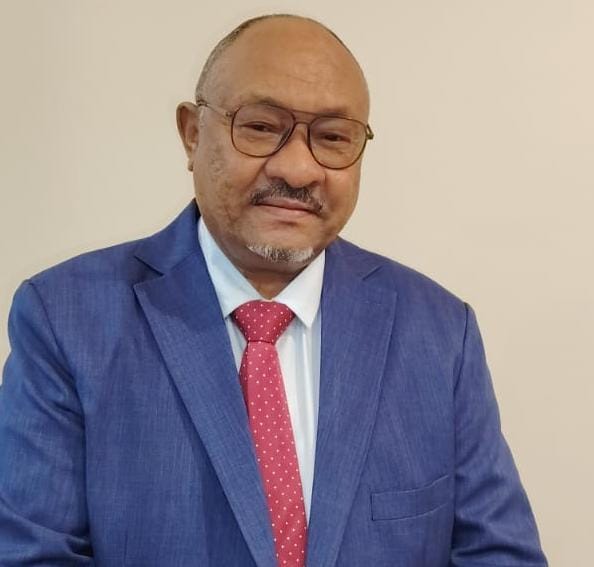
From a City of Potential to a City of Opportunity
Abu Hamad possesses the essential ingredients to become an important economic centre in northern Sudan. But potential alone is not enough.
What is needed is to transform gold into industry, location into trade, the Nile into opportunities for agriculture and tourism, young people into a productive workforce, education into practical skills, investment into opportunities, and history into a living identity.
Only then will Abu Hamad become a city that does not merely possess the potential for a future, but actively creates it.
The Abu Hamad We Aspire to Build
We envision an Abu Hamad where young people find opportunities, investors find confidence, families enjoy security, students receive quality education, workers are treated with dignity, women have room to participate, and visitors discover an experience they will remember.
We want it to be a modern city that does not forget its history; a productive city that does not squander its resources; and an investment destination that places people at the heart of its priorities.
The future is not built through buildings or projects alone. It is built when people feel that their city offers them a genuine opportunity to live, work, and hope.
Abu Hamad can be more than the Capital of Gold. It can become the capital of people, investment, and development in northern Sudan.
Post your comments
Photo of the Week
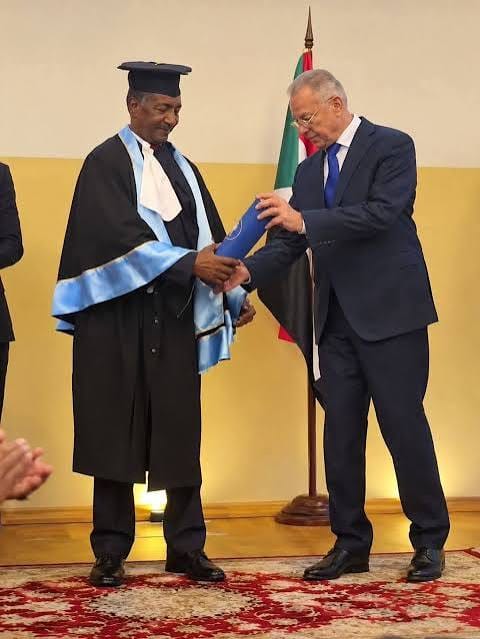
Moscow (Sudanow) — The Russian State University for the Humanities in Moscow has awarded Sudan’s Transitional Sovereignty Council Chairman and Commander-in-Chief of the Armed Forces, General Abdel Fattah Al-Burhan, an honorary doctorate in recognition of his efforts to strengthen Sudanese-Russian relations and promote cooperation between the two countries in the cultu...
More-
25 October, 2026
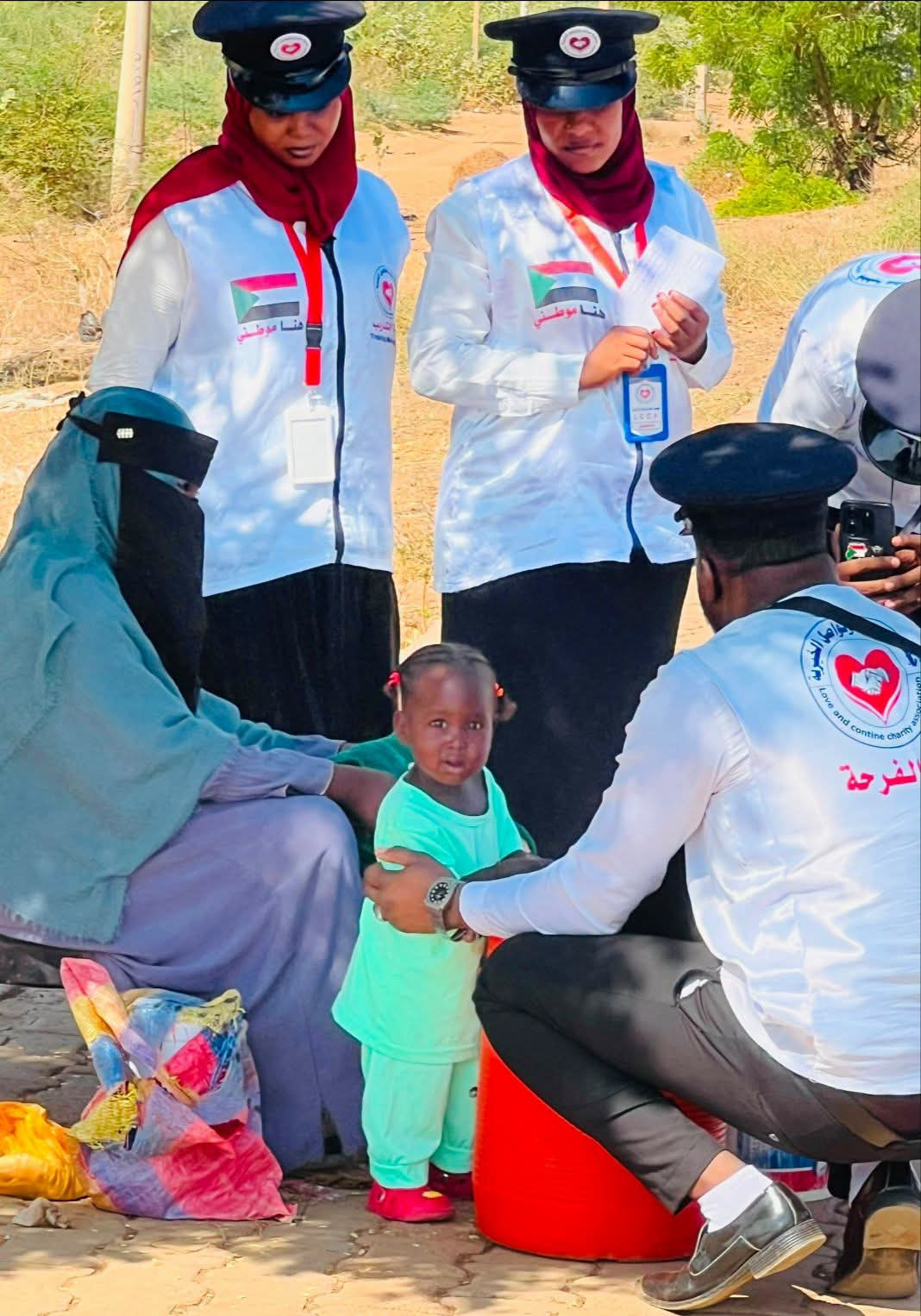
Tales from the Battlefield “Rest Tonight, Mum”: A Compassionate Gesture That Moved Social Media and Wiped Away a Strugg
A humanitarian initiative goes beyond providing assistance to help build hope Dr Sarah: The war has driven mothers into the markets in search of a livelihood. A video shared on social media has touched the hearts of users, capturing a moving act of kindness by young volunteers from the “Rest Tonight, Mum” initiative. The group reached out to a Sudanese woman displaced from Darfur who struggles to support her family...

Contact Us

Address: Sudan News Agency (SUNA) Building, Jamhoria Street, Khartoum - Sudan
Mobile:+249 909220011 / +249 912307547