



Stories from Inside the Battlefield Calls on Displaced Residents of El Fasher to Return
08 November, 2026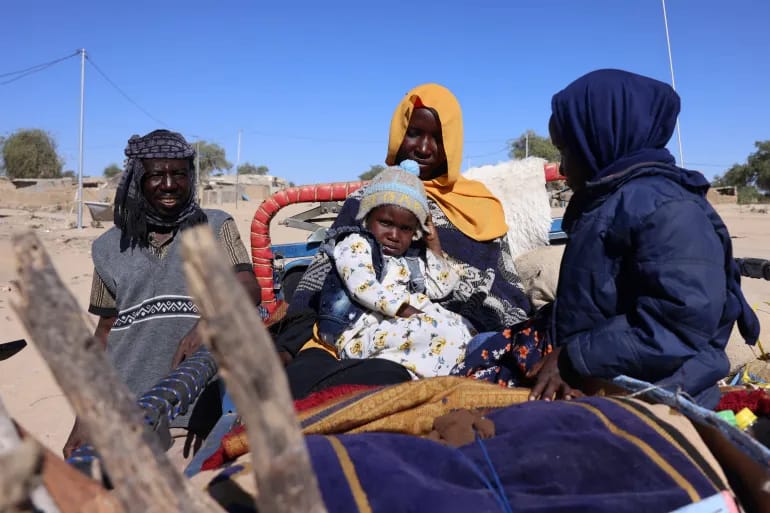
“Al-Tayashi’s Appeal” – “Killing the Victim, Then Walking in Their Funeral Procession!”
Social Media Platforms Mock and Ridicule the Calls to Return: A Political Farce
Reopening Destroyed Markets and Hospitals Does Not Erase the Record of Violations: A Hollow Performance
Return Begins with the Withdrawal of the Militia, the Restoration of Security and Justice, and the Rebuilding of Trust
Khalid Jibril Recounts the Memories of Bloodshed and the Pain of Victims: El Fasher Is More Than Markets and Buildings
The statements made by Mohammed Hassan Al-Tayashi, head of what is known as the Tasis Government, calling on residents of El Fasher who fled the city because of the war to return, have sparked widespread reactions across social media platforms. Most comments were marked by sarcasm, ridicule, and sharp criticism, recalling the killing, displacement, and violations suffered by the city's residents during the siege and assault that culminated in its capture by the Rapid Support Forces (RSF) militia.
Many social media users viewed calls for victims to return to their homes without genuine guarantees of security and justice as a painful paradox, summed up in the popular saying: “Killing the victim, then walking in their funeral procession!” The expression highlights the contradiction between the record of violations and the emotionally charged appeals that seek to portray the situation in the city in a different light.
Political Exploitation
Mohammed Hassan Al-Tayashi had called on citizens who fled El Fasher out of fear of violations by the RSF militia to return to the city. He spoke of reopening schools, hospitals, courts, prosecution offices, and markets, specifically pointing to the resumption of commercial activity at Hajar Qaddo Market.
Through his remarks, Al-Tayashi sought to project an image of stability and a return to normal life, using emotional language to address displaced residents and urge them to return to their homes.
Observers believe that Al-Tayashi's statements are part of the Tasis Government's efforts to promote itself as an authority capable of administering areas under the control of the Al-Dagalo terrorist militia and presenting an image of civilian governance and functioning state institutions.
Detached from Reality
Observers broadly agree that Al-Tayashi's appeal to displaced residents of El Fasher is disconnected from the harsh humanitarian reality endured by the city's population during months of siege and following its fall into the hands of the terrorist militia.
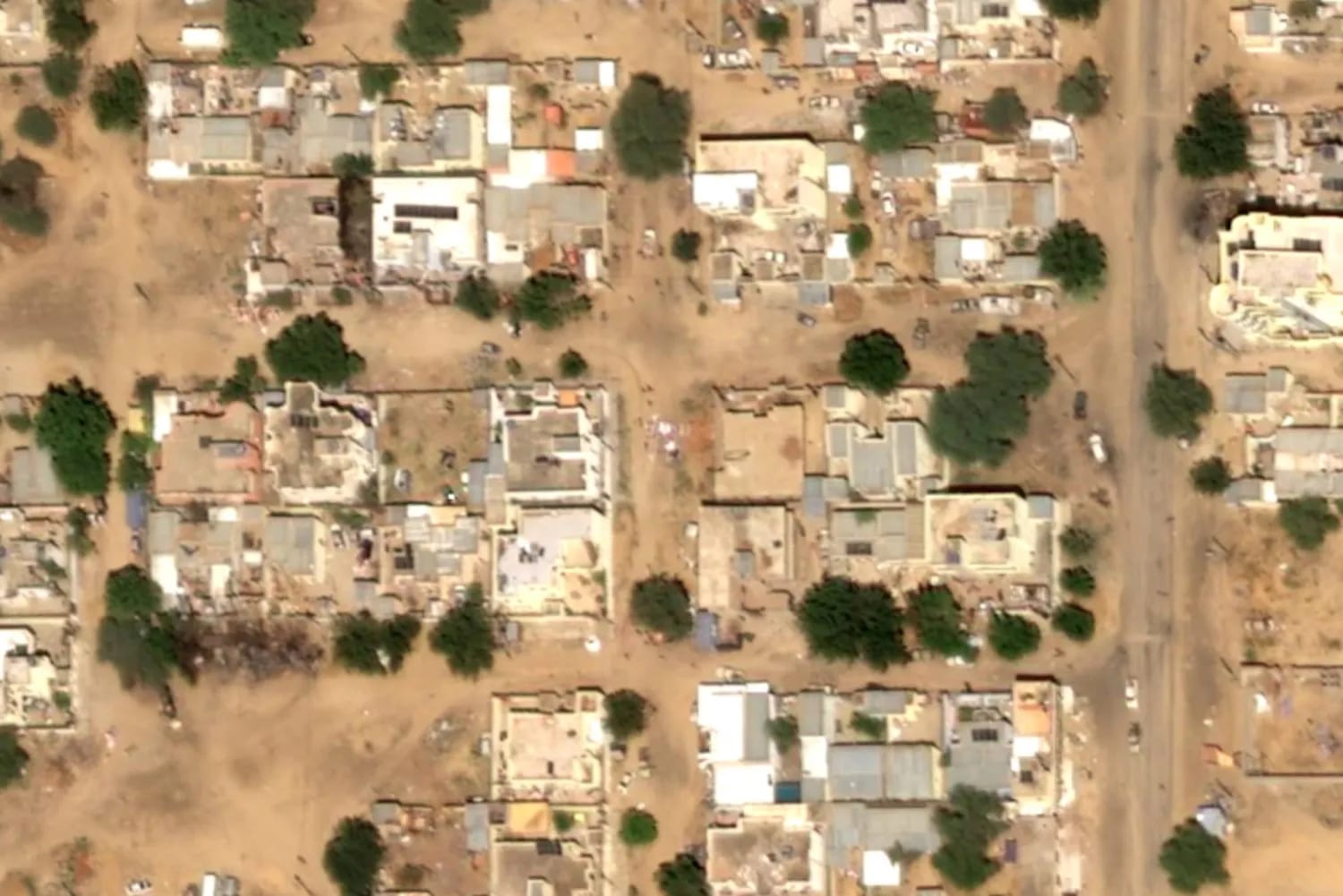
Civilians suffered severe shortages of food and medicine, while health and civilian facilities were subjected to attacks and violations. These circumstances were compounded by scenes of cold-blooded killings and mass displacement documented in survivor testimonies and human rights reports.
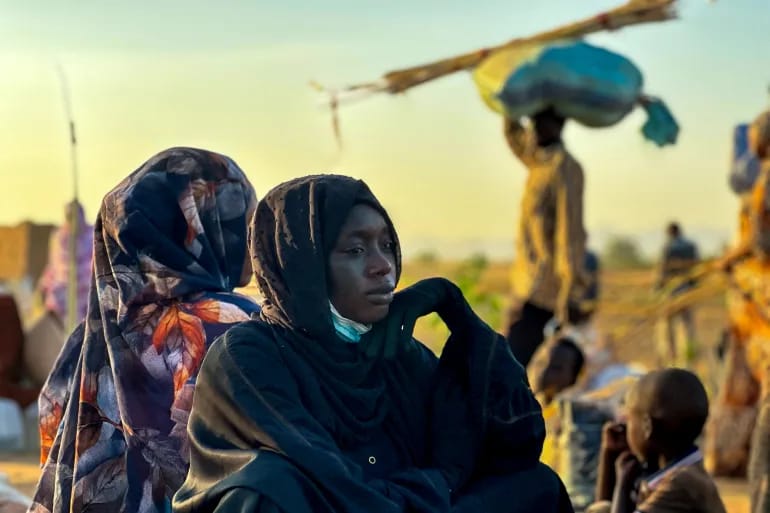
A displaced person who has lost family members or witnessed their home being looted or destroyed cannot regard calls to return as a simple opportunity to resume a previous life. Thousands of families carry painful stories of loss, separation, and uncertainty over the fate of their loved ones.
This is compounded by persistent reports of the arrival of populations from Arab communities outside Sudan into El Fasher, as part of what is alleged to be a Tasis Government plan to engineer demographic change.
Grief and Anger
Journalist and Darfur affairs commentator Khalid Jibril addresses Al-Tayashi's statements with considerable anger and sorrow, drawing on the region's collective social and humanitarian memory and questioning whether emotionally charged appeals can persuade victims to return to a city associated in their memories with scenes of killing and displacement.
The significance of Jibril's remarks to Al-Karama lies in the fact that he does not view El Fasher merely as a city whose facilities need to be reopened. Rather, he sees it as a home to generations of people and deeply rooted social relationships.
It is therefore unsurprising that the journalist recalls names and places that hold a special place in the hearts of Darfur's people, including Hajar Qaddo Market in El Fasher, Wadi Burli in Nyala, Wadi Kaja in El Geneina, and Al-Marin Market in Zalingei.
Jibril raises a fundamental contradiction: reopening markets does not mean their owners have returned; reopening hospital doors cannot bring back patients who lost their lives; and resuming school activities cannot compensate families who lost their children or were torn apart by war.
He also recalls previous statements by Al-Tayashi acknowledging violations committed by the militia, contrasting them with his current rhetoric about providing protection and services. This raises a fundamental question about the value of calling for a return in the absence of accountability and redress.
The Conditions for a Meaningful Return
Whatever the circumstances, the return of El Fasher's residents must not become a tool for political point-scoring or an attempt to whitewash reality. It is, above all, a humanitarian issue that requires the fulfilment of conditions for voluntary and safe return.
Foremost among these conditions are the withdrawal of the RSF militia and its Tasis ally, accountability for the crimes and violations committed, and the establishment of genuine security. Only then can efforts proceed towards restoring essential services, providing protection, repairing the damage, and compensating those affected.
El Fasher may regain its markets, schools, and hospitals, but restoring people's trust in their city requires far more than reopening institutions.
The city will not win back its people through appeals alone. They will return when they are confident that their lives, dignity, and families are safe, and when El Fasher once again becomes a secure home for them rather than another arena of conflict, terror, and violations.
Post your comments
Photo of the Week
Khartoum – Sudanow – Sudanese explorer Shams Al-Din Abdel Halim Al-Bashir is preparing to embark on a journey to Qatar, carrying a national and humanitarian message aimed at raising awareness of Sudan’s issues, particularly the plight of women and children affected by the war. The journey will be undertaken under the slogan: “For the Women and Children of...
More-
08 November, 2026
Stories from Inside the Battlefield Calls on Displaced Residents of El Fasher to Return
“Al-Tayashi’s Appeal” – “Killing the Victim, Then Walking in Their Funeral Procession!” Social Media Platforms Mock and Ridicule the Calls to Return: A Political Farce Reopening Destroyed Markets and Hospitals Does Not Erase the Record of Violations: A Hollow Performance Return Begins with the Withdrawal of the Militia, the Restoration of Security and Justice, and the Rebuilding of Trust K...

Contact Us

Address: Sudan News Agency (SUNA) Building, Jamhoria Street, Khartoum - Sudan
Mobile:+249 909220011 / +249 912307547