



The UAE Seeks a Negotiated Way Out as Its Sudan Plan Falters
15 November, 2026
The Sudanese Army's Resilience and Popular Support Undermine the Plot – A Setback for Abu Dhabi
Continued Arms Supplies to the Militia Amid Talk of a Political Settlement – A Dual-Pressure Strategy
Hudson: The UAE Wants to Reach an Agreement Before Losing More Ground
The United Arab Emirates is seeking a negotiated way out of the crisis surrounding the war in Sudan after its bet on a military victory ran up against the resilience of the Sudanese Armed Forces, backed by supporting military formations and widespread popular and public solidarity. This appears to have prompted the calculations of the Abu Dhabi leadership to shift towards seeking a settlement that would salvage what remains of its political standing while preserving whatever bargaining cards are left to the Rapid Support Forces (RSF) militia, whose forces have suffered heavy losses on the battlefield.
These developments come as American researcher Cameron Hudson has revealed Emirati moves in this direction.
Notable Interest
American researcher Cameron Hudson's remarks about the UAE's efforts to find a way out of the Sudan crisis have attracted considerable attention in Sudanese circles. His comments linked these Emirati moves to a desire to reach an agreement with the RSF militia before it loses more territory.
Observers believe that the Emirati search for a political settlement reveals the extent to which military developments have affected Abu Dhabi's calculations, as its confidence in achieving its objectives through military operations has diminished.
Academic and political analyst Dr Ismail Imam confirms that this reflects a shift in Emirati calculations, although it is closer to rearranging the pieces than abandoning the Sudan project altogether.
In his remarks to Al-Karama, he said that the strategy of achieving a swift military victory through the RSF had faltered after the militia failed to seize control of Khartoum, Al Jazirah State and the rest of central Sudan. This, he explained, had pushed the UAE to seek an exit that would preserve its interests and influence while shifting the battle from the military arena to the negotiating table.
A Bargaining Chip
Dr Imam argues that talk of a settlement can be interpreted as an attempt to repackage the RSF militia as a bargaining chip rather than leave it to face the consequences of its military setbacks.
He points out that, through this approach, the UAE may seek to present itself as a supporter of a political solution while retaining leverage that would enable it to influence any future negotiations.
Dr Imam sums up this assessment by saying that the UAE is moving from a strategy of military victory to one of negotiating victory, while retaining its fundamental objective of safeguarding its interests and influence, even if the instruments and methods have changed.
A Striking Contradiction
Perhaps the most striking contradiction in the Emirati move is that talk of seeking a settlement has emerged alongside the continued flow of Emirati weapons to the RSF militia through regional supply routes.
Dr Imam highlighted this contradiction, arguing that continued military supplies are incompatible with any genuine commitment to ending the war and reflect a desire to retain bargaining leverage.
The political analyst believes that strengthening the militia militarily gives it greater room to manoeuvre and enables its backers to influence the terms of any potential settlement, rather than confront the reality of military defeat.
According to Imam, this approach is based on a dual-pressure strategy: negotiations remain on the table on one hand, while the instruments of war continue to operate on the other. The prospects for achieving sustainable peace therefore depend on the seriousness of external actors in ending their interventions and halting military supplies.
International reports have documented the continued operation of external support networks and the multiple routes through which weapons and fighters enter Sudan, contributing to the prolongation of the conflict.
Losses and Compensation
Earlier, Malik Agar, Vice-President of Sudan's Transitional Sovereignty Council, disclosed that he had received information from the vice-president of a major country indicating that the UAE had incurred substantial losses in Sudan as a result of the war and was seeking compensation.
Agar said he had expressed his readiness to meet the Emirati side and discuss the matter. He extended his stay in the intermediary country by three days in an effort to arrange the meeting. However, the attempt was unsuccessful.
He added that subsequent efforts to arrange contact were also met with an Emirati refusal.
Observers believe Agar's statement is significant because it opens the door to examining the crisis through the lens of financial interests and losses, rather than solely through political and military positions.
The logical question remains: What exactly are the compensation claims being discussed? And is Abu Dhabi seeking to address its losses through negotiating channels, or to reorganize its relationships and interests in Sudan?
An Important Conclusion
Whatever the circumstances, one fact remains: Emirati moves and efforts to find a way out of the Sudan war crisis are unlikely to be accepted by the Sudanese leadership if they involve allowing the RSF militia to retain political or military gains.
Such a settlement would not address the root causes of the crisis; instead, it would lay the foundations for another round of conflict.
Any way out of the Sudanese crisis cannot be reduced to rescuing the militia from the consequences of its military setbacks or settling the accounts of external losses and interests. It must instead involve ending the war, addressing its consequences, respecting Sudan's unity and national sovereignty, halting all forms of foreign interference, and rejecting attempts to reproduce the armed rebellion under the guise of political settlements.
Post your comments
Photo of the Week
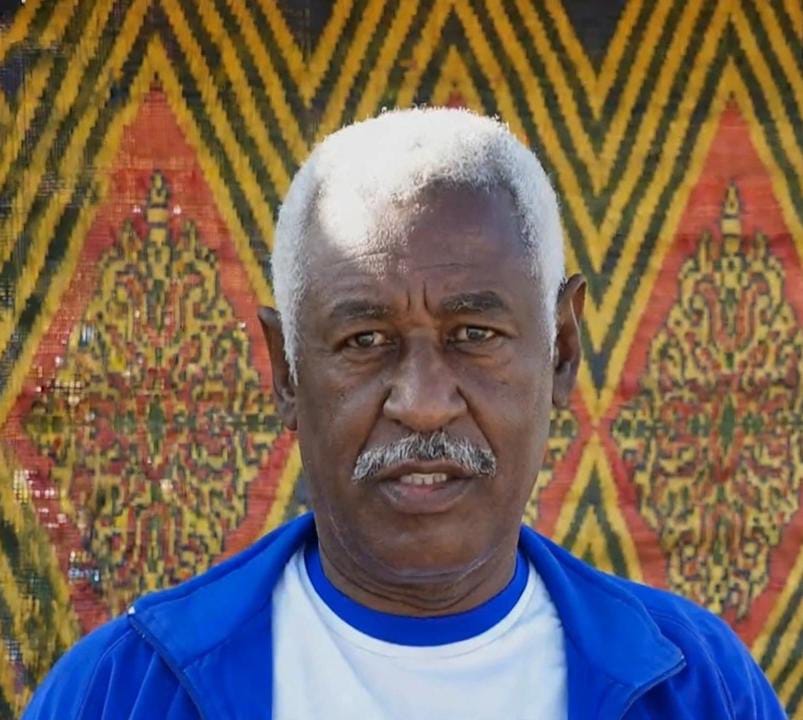
Khartoum – Sudanow – Sudanese explorer Shams Al-Din Abdel Halim Al-Bashir is preparing to embark on a journey to Qatar, carrying a national and humanitarian message aimed at raising awareness of Sudan’s issues, particularly the plight of women and children affected by the war. The journey will be undertaken under the slogan: “For the Women and Children of...
More-
08 November, 2026
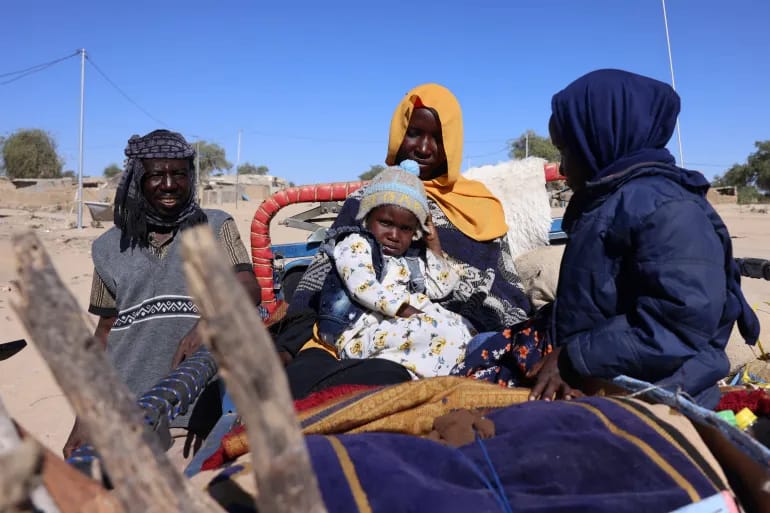
Stories from Inside the Battlefield Calls on Displaced Residents of El Fasher to Return
“Al-Tayashi’s Appeal” – “Killing the Victim, Then Walking in Their Funeral Procession!” Social Media Platforms Mock and Ridicule the Calls to Return: A Political Farce Reopening Destroyed Markets and Hospitals Does Not Erase the Record of Violations: A Hollow Performance Return Begins with the Withdrawal of the Militia, the Restoration of Security and Justice, and the Rebuilding of Trust K...

Contact Us

Address: Sudan News Agency (SUNA) Building, Jamhoria Street, Khartoum - Sudan
Mobile:+249 909220011 / +249 912307547