


Eastern Africa Must Turn Early Warning into Early Action
15 November, 2026
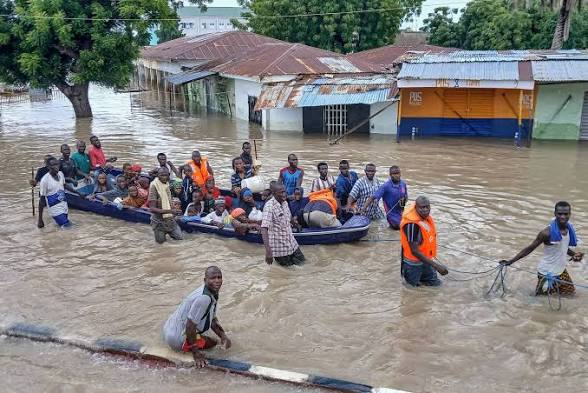
Eastern Africa knows the devastating cost of delayed action. Drought strips pastoral families of their livelihoods, floods destroy homes and infrastructure, and climate shocks deepen existing conflicts and displacement. Yet, too often, warnings arrive before disaster strikes while the resources needed to prevent its worst effects come too late.
This is the gap that the Second East Africa Dialogue Platform on Anticipatory Action, held in Mombasa, Kenya, set out to address. Its message was clear: we must move beyond predicting disasters to preventing their worst impacts.
For IGAD, this responsibility is deeply rooted in our history. Born of drought, the organisation was founded on the conviction that countries facing shared risks must confront them collectively. Today, that conviction is more urgent than ever as climate change, conflict, economic pressures and public health emergencies place mounting strain on communities across our region.
The challenge is not simply a lack of information. It is ensuring that reliable forecasts trigger timely decisions, release resources and translate into action where it matters most.
A forecast alone does not protect a family. Protection happens when a warning prompts authorities to mobilise supplies, safeguard livestock, support vulnerable households and prepare essential services before a crisis unfolds. That is the difference between early warning and early action.
The economic case is equally compelling. Acting before disaster strikes can preserve livelihoods, protect public infrastructure, reduce humanitarian needs and prevent costly recovery efforts. For a region already grappling with significant development and humanitarian pressures, investing in preparedness is not an additional burden; it is a strategic investment in resilience.
The first Dialogue Platform, held in Mombasa in 2024, established a shared regional ambition. Since then, progress has been made through national anticipatory action roadmaps and regional collaboration, including the Regional Technical Working Group on Anticipatory Action. The priority now is to translate this progress into sustainable systems that deliver results.
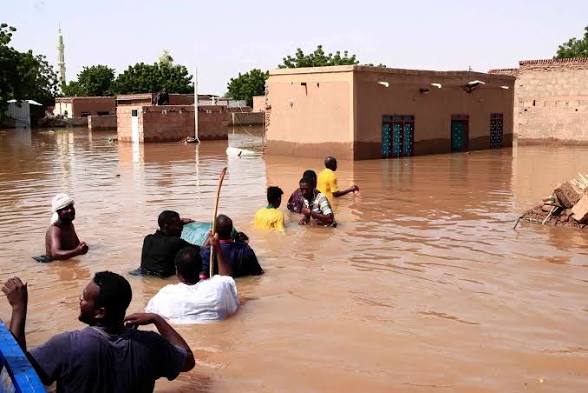
First, anticipatory action must become a core function of government. It cannot remain confined to temporary projects or depend entirely on external partners. It must be embedded in national policies, disaster risk management frameworks, development plans and public budgets. Clear institutional mandates, agreed procedures and accountability mechanisms are essential to ensure that warnings lead to decisions and decisions lead to action.
Second, financing must be predictable and available before disaster strikes. Governments and partners must strengthen contingency arrangements and disaster risk financing systems that release resources when agreed risk thresholds are reached. Climate finance, social protection, insurance and humanitarian resources should work together to support timely interventions. Financing must reinforce national systems rather than create parallel structures.
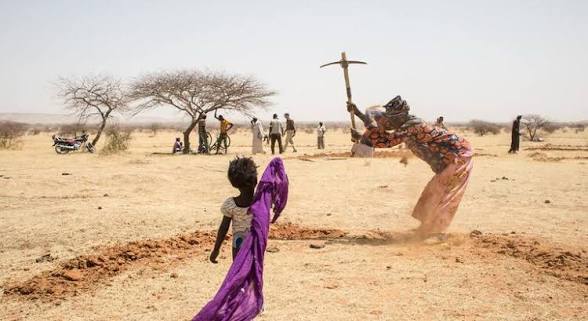
Third, communities must be at the centre of anticipatory action. Women, young people, pastoralists, displaced populations and other at-risk groups must help shape the decisions affecting their lives. Scientific forecasts must be communicated in accessible, locally relevant ways and complemented by indigenous knowledge. Local authorities and community organisations need the information, resources and authority to act. Anticipatory action must not only reach communities; communities must help lead it.
Finally, regional cooperation is indispensable. Droughts, floods and displacement do not respect national borders. Shared risk information, interoperable early warning systems, harmonised triggers and peer learning can help IGAD Member States anticipate cross-border risks and coordinate responses more effectively.
Through the IGAD Climate Prediction and Applications Centre (ICPAC) and the Disaster Risk Management Programme, IGAD remains committed to strengthening early warning, supporting Member States and advancing coordinated regional approaches to disaster risk reduction and anticipatory action.
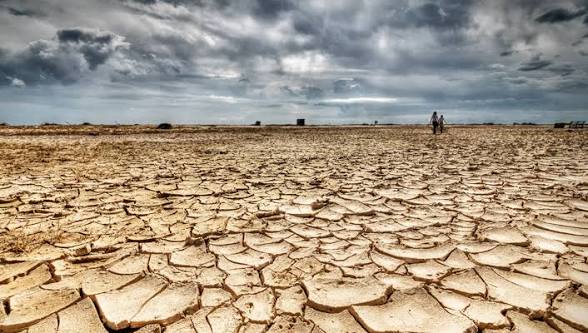
The Mombasa Dialogue must therefore be measured not by the declarations adopted, but by the decisions implemented, financing mobilised and communities protected. Our region cannot afford to wait for disaster to prove that the warning was right. We must build systems that act while there is still time to prevent the worst.
The ultimate measure of early warning is not whether we predicted the disaster, but whether we acted in time to protect lives, livelihoods and the development gains of our people.
By Patience Nyange
The writer is the Spokesperson, Office of the Executive Secretary at the Intergovernmental Authority on Development (IGAD)
Post your comments
Photo of the Week

Khartoum – Sudanow – Sudanese explorer Shams Al-Din Abdel Halim Al-Bashir is preparing to embark on a journey to Qatar, carrying a national and humanitarian message aimed at raising awareness of Sudan’s issues, particularly the plight of women and children affected by the war. The journey will be undertaken under the slogan: “For the Women and Children of...
More-
08 November, 2026
Stories from Inside the Battlefield Calls on Displaced Residents of El Fasher to Return
“Al-Tayashi’s Appeal” – “Killing the Victim, Then Walking in Their Funeral Procession!” Social Media Platforms Mock and Ridicule the Calls to Return: A Political Farce Reopening Destroyed Markets and Hospitals Does Not Erase the Record of Violations: A Hollow Performance Return Begins with the Withdrawal of the Militia, the Restoration of Security and Justice, and the Rebuilding of Trust K...

Contact Us

Address: Sudan News Agency (SUNA) Building, Jamhoria Street, Khartoum - Sudan
Mobile:+249 909220011 / +249 912307547