


The First Woman to Lead Sudanow Magazine
15 November, 2026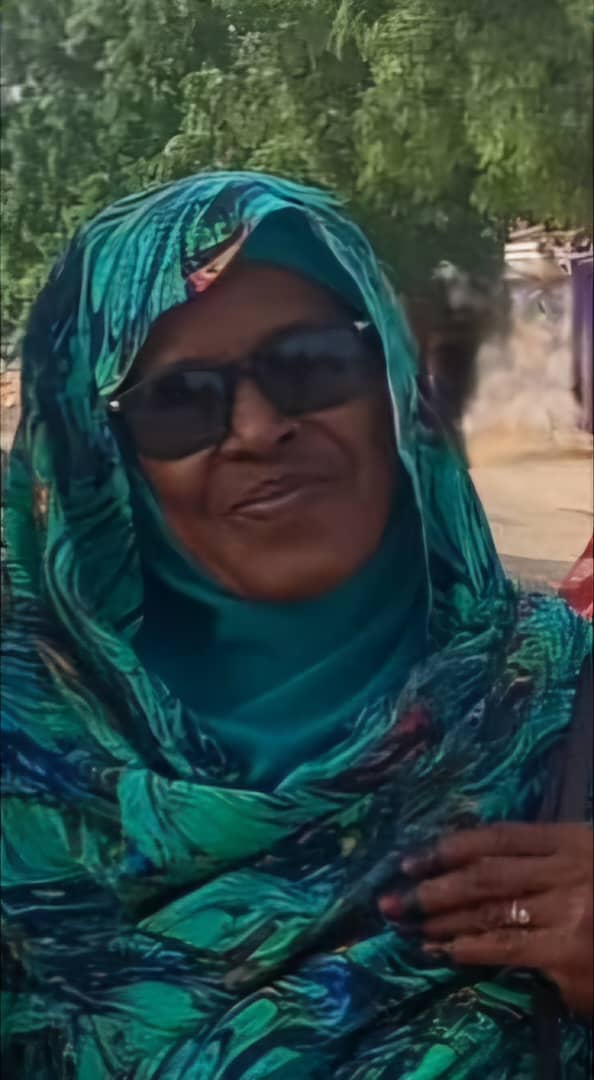
Khartoum- (Sudanow)
In 2014, Aisha Suleiman Braima Dawalbait became editor-in-chief of Sudanow, making history as the first female journalist to hold this position since the magazine was established in the 1970s.
She is also recognized as the first woman to lead an English-language magazine in the country. This achievement is particularly significant in a media landscape where women historically had limited representation in leadership positions.
Aisha, assumed the role armed with decades of experience in journalism, editing, and translation. However, her responsibilities extended far beyond supervising published material. She had to ensure the magazine was published regularly, develop its content, manage relationships with writers and contributors, and handle financial and administrative challenges at a time when media institutions were experiencing rapid changes in publishing methods and audience engagement.
Former editor-in-chief Mohamed Osman Adam, who revived Sudanow online after its paper edition was discontinued, acknowledges Aisha Suleiman’s substantial contribution to maintaining the magazine’s continuity and strengthening its professional standards.
According to Adam, some of the most significant achievements, during her eight-year tenure in management, included securing sustainable funding, expanding the pool of editorial contributors, and moving the magazine from monthly to weekly publication. These developments were accompanied by consistent coverage of Sudanese affairs, free from day-to-day interference by the executive authorities in editorial decisions.
Managing the Details and Building Trust
In media organisations, the responsibilities of an editor-in-chief extend well beyond selecting topics and reviewing articles. Behind every published issue lies a complex network of editorial, administrative, and financial tasks that require careful coordination and strict adherence to deadlines.
At Sudanow, Aisha Suleiman personally assumed a substantial share of these responsibilities. Alongside supervising, reviewing, and refining content, she handled sensitive political subjects, maintained relationships with writers and contributors, and helped manage financial matters, including salaries, incentives, and outstanding payments.
Adam explains that the magazine’s working arrangements placed most of these responsibilities on the editor-in-chief because the staff available for editorial work, administration, secretarial duties, and language editing was limited.
These details reveal a less visible aspect of Aisha’s experience: leadership in journalism is measured not only by what appears in the pages of a magazine, but also by the ability to keep the institution functioning, protect its editorial independence, and build stable professional relationships with contributors, photographers and writers.
According to colleagues familiar with her work, her tenure was characterised by a strong commitment to content accuracy and thorough editing. The magazine reportedly required fewer corrections after publication, while complaints from writers and publishing-related disputes were notably absent. These indicators demonstrate the importance of meticulous review in professional journalism.
Despite the praise she received, Aisha generally preferred not to publish expressions of personal acclaim directed towards her. She believed that success was the result of collective effort and that recognition should extend to the institution and the people working within it.
Opening Doors for New Generations
Her contribution was not limited to maintaining regular publication and improving editorial content. She was an enabler. She created greater opportunities for new contributors, particularly women and young women, to participate in writing and contribute to the magazine’s social media platforms.
Among those associated with this experience were Rogia Al-Shafie, Mona Rahma, Taqwa Fath Al-Rahman, and Asmaa Al-Nakkas, alongside other contributors from within and outside the Sudan News Agency (SUNA).
During her tenure, the magazine was also able to attract a number of journalists, writers, and photographers. These included Sudanese international journalist Al-Sir Sid Ahmed, who had previously served as editor-in-chief during the magazine’s print era, poet Mohammed Najeeb, Dr Yahya Al-Hassan, a correspondent for the Pan-African News Agency (PANA), Mohammed Ali Saeed, a correspondent for Agence France-Presse (AFP), journalist Salah Shuaib, and photographers Mahjoub Mohammed Al-Hassan and Magdi Abdullah.
This diversity brought a wealth of different experiences to the magazine, expanded its editorial contributions, and strengthened its position as a platform capable of accommodating a wide range of voices and perspectives.
This experience is particularly important in media development. Strengthening an institution does not simply mean preserving the expertise it already possesses; it also means opening windows of opportunities to younger generations, providing them with the chances to develop their skills, and enabling them to participate in shaping the content.
Greater Visibility and Professional Awards
Under Aisha Suleiman’s leadership, Sudanow continued to develop its editorial and digital presence, gaining wider recognition within the media landscape.
The magazine placed particular emphasis on content that introduced readers to Sudan’s cultural and social diversity, its rich civilisation and economic heritage, and the achievements of its people across different fields.
Among the awards received during this period was the award for Best Report on the Traditional Sudanese Food Festival in 2018. This recognition highlighted the importance of journalism that documents local heritage and presents it to a wider audience.
In 2025, the magazine was selected among the top three publications for the African Digitally Fit Awards, based on a regional assessment that considered the continuity of its digital presence and the quality of its content.
Aisha’s commitment to journalism was closely connected to her interest in language and translation.
She undertook postgraduate studies in Translation and Arabisation Unit at the University of Khartoum and received training in simultaneous interpretation at the United Nations Economic Commission for Africa in Addis Ababa.
She also participated in a project translating multinational encyclopaedias to Arabic and worked as a freelance translator with the UNICEF office in Khartoum.
In addition, she translated two books into Arabic:-
* A Man Called Deng Majok, by Dr Francis Deng.
* Nuba Mountains: In Search of the Lost Wisdom, by Dr Hamid Ibrahim.
Her work demonstrates an interest that extends beyond reporting the news to making knowledge accessible, bringing intellectual and literary works to Arabic-speaking readers, and connecting journalism with translation and cultural documentation.
Ibrahim Ishaq: A Tribute Before His Passing
One of the milestones Aisha Suleiman particularly values was organising a media forum hosted by Sudanow in collaboration with Sudapedia. The forum highlighted the work of Sudanese novelist Ibrahim Ishaq and called for his writings to be translated and made accessible to a wider readership.
The event brought together numerous critics and writers in an effort to reintroduce the work of a Sudanese novelist whose writing possesses distinctive artistic and cultural qualities, while encouraging greater recognition beyond Sudan.
Some critics believe Ibrahim Ishaq’s work deserves a much more prominent place in the international literary landscape.
The gathering took place shortly before the novelist’s passing away. It provided an opportunity to celebrate his contribution and acknowledge the value of his work while he was still alive, rather than postponing recognition until after his death.
This initiative reveals another dimension of Aisha’s vision for journalism. A magazine can be much more than a window onto current affairs: it can become a space for preserving cultural memory, encouraging discussion about literature and ideas, and supporting the work of Sudanese creative talents.

The Light of the Institution, Not the Spotlight on the Individual
Aisha Suleiman Brima Dawalbait’s career represents a professional journey shaped by journalism, editing, and translation. At Sudanow, these experiences found their most prominent expression through her leadership of a media institution during a period marked by digital transformation and growing professional and financial challenges.
She combined an academic background in psychology, graduated with a bachelor degree in psychology (University of Khartoum,1982), with extensive experience in news reporting, expertise in English-language publishing, and the ability to manage the complex details of editorial and administrative work.
She also left her mark by expanding opportunities for participation, promoting Sudan’s cultural heritage, and encouraging initiatives that gave Sudanese literature greater visibility and reach.
On World Managers’ Day, her story offers an opportunity to reflect on the meaning of leadership within media institutions: managing responsibilities with integrity, safeguarding professional standards through careful review and accuracy, and placing the interests of the institution above the desire for personal recognition.
Aisha Suleiman Brima has become associated with the name Dawalbait, meaning in Arabic the light of the home—a light whose value lies in the difference it makes, its ability to keep the windows of knowledge and creativity open, and its belief that strong institutions are built through teamwork rather than the efforts of one individual alone.
Post your comments
Photo of the Week
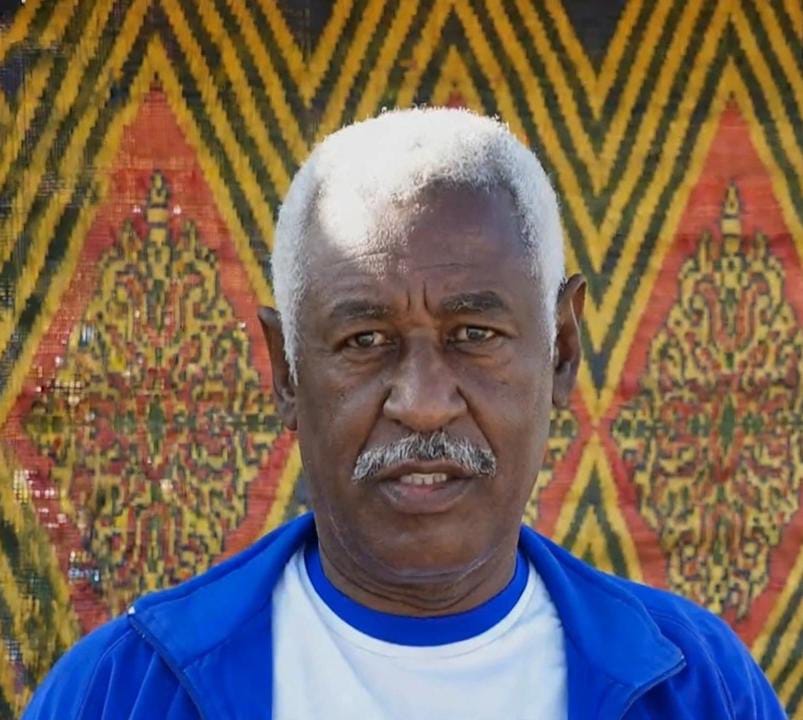
Khartoum – Sudanow – Sudanese explorer Shams Al-Din Abdel Halim Al-Bashir is preparing to embark on a journey to Qatar, carrying a national and humanitarian message aimed at raising awareness of Sudan’s issues, particularly the plight of women and children affected by the war. The journey will be undertaken under the slogan: “For the Women and Children of...
More-
08 November, 2026
Stories from Inside the Battlefield Calls on Displaced Residents of El Fasher to Return
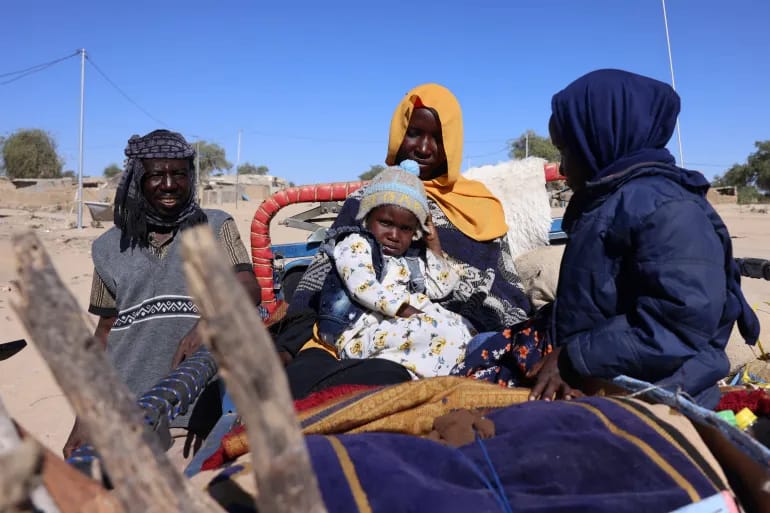
“Al-Tayashi’s Appeal” – “Killing the Victim, Then Walking in Their Funeral Procession!” Social Media Platforms Mock and Ridicule the Calls to Return: A Political Farce Reopening Destroyed Markets and Hospitals Does Not Erase the Record of Violations: A Hollow Performance Return Begins with the Withdrawal of the Militia, the Restoration of Security and Justice, and the Rebuilding of Trust K...

Contact Us

Address: Sudan News Agency (SUNA) Building, Jamhoria Street, Khartoum - Sudan
Mobile:+249 909220011 / +249 912307547