

Mohamed Osman Al-Mirghani: The Passing of a Leader, the Enduring Legacy
16 November, 2026
From the Memory of the National Movement to Questions About Sudan’s Future
Khartoum – Sudanow
A Political and Historical Reflection on the Passing of the Khatmiyya Sufi Order’s Spiritual Leader and the Head of the Democratic Unionist Party (Original)
In the Name of Allah, the Most Gracious, the Most Merciful.
Allah Almighty says:
“Everyone upon it will perish, and there will remain the Face of your Lord, Owner of Majesty and Honor.”
(Qur’an, 55:26–27)
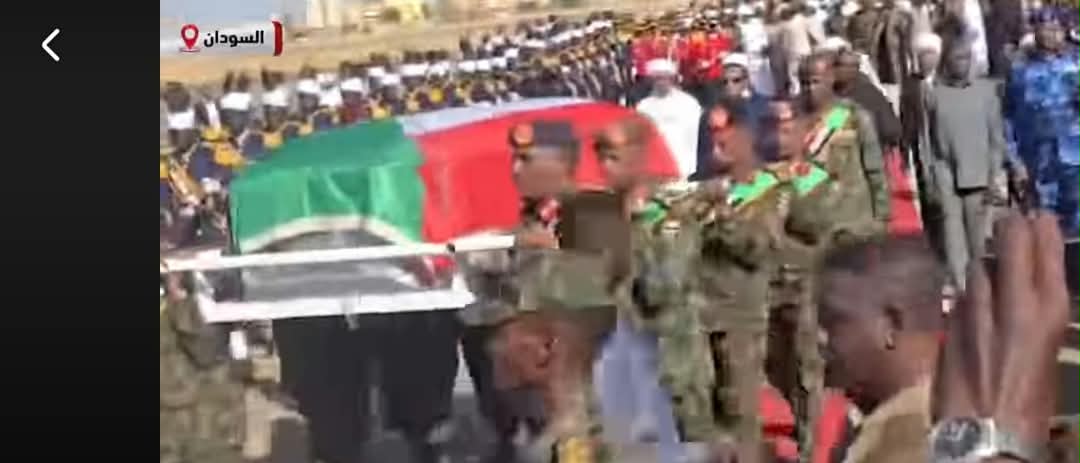
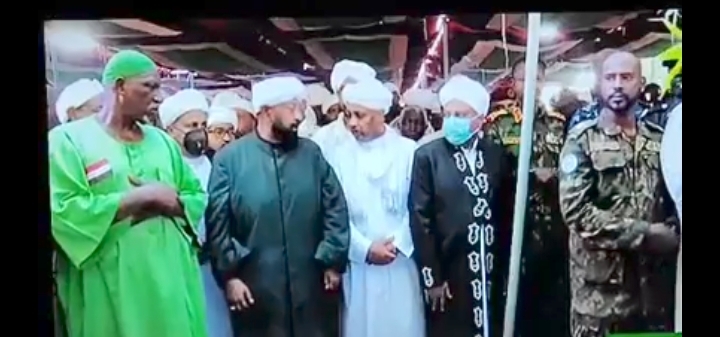
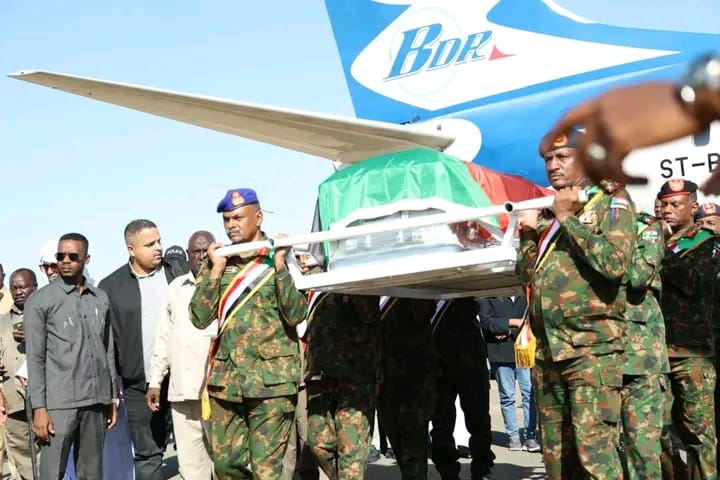
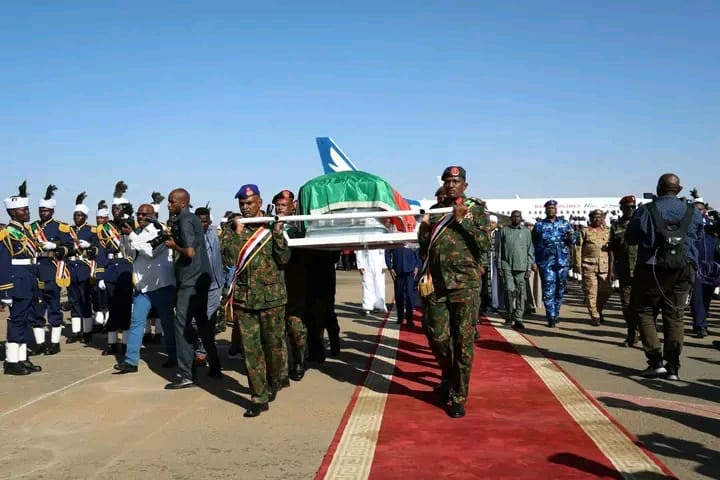
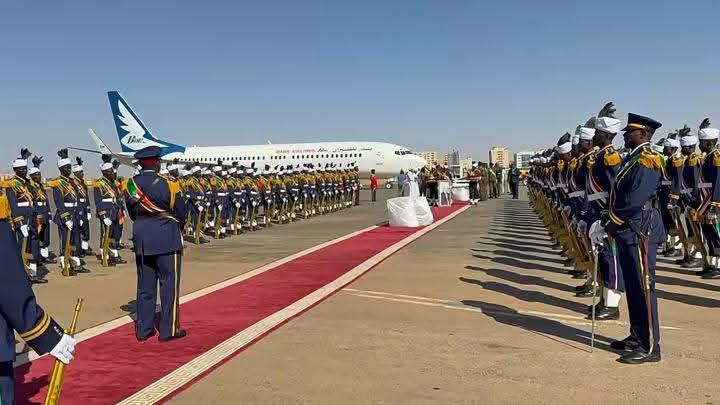
May Allah have mercy on Mawlana Sayyid Mohamed Osman Al-Mirghani, spiritual leader of the Khatmiyya Sufi Order and head of the Democratic Unionist Party (Original), who passed away after a long life spanning decades of religious, spiritual and political presence in Sudan. He leaves behind a legacy in which religious symbolism, national history and political experience are deeply intertwined.
The passing of Mawlana Sayyid Mohamed Osman Al-Mirghani is not merely the loss of a prominent political or religious figure. Rather, it marks the closing of an important chapter in Sudan’s modern history—a chapter in which spiritual leadership intersected with national activism, social traditions with political action, and the influence of the Al-Mirghani family extended into several pivotal aspects of Sudanese statehood and its evolution.
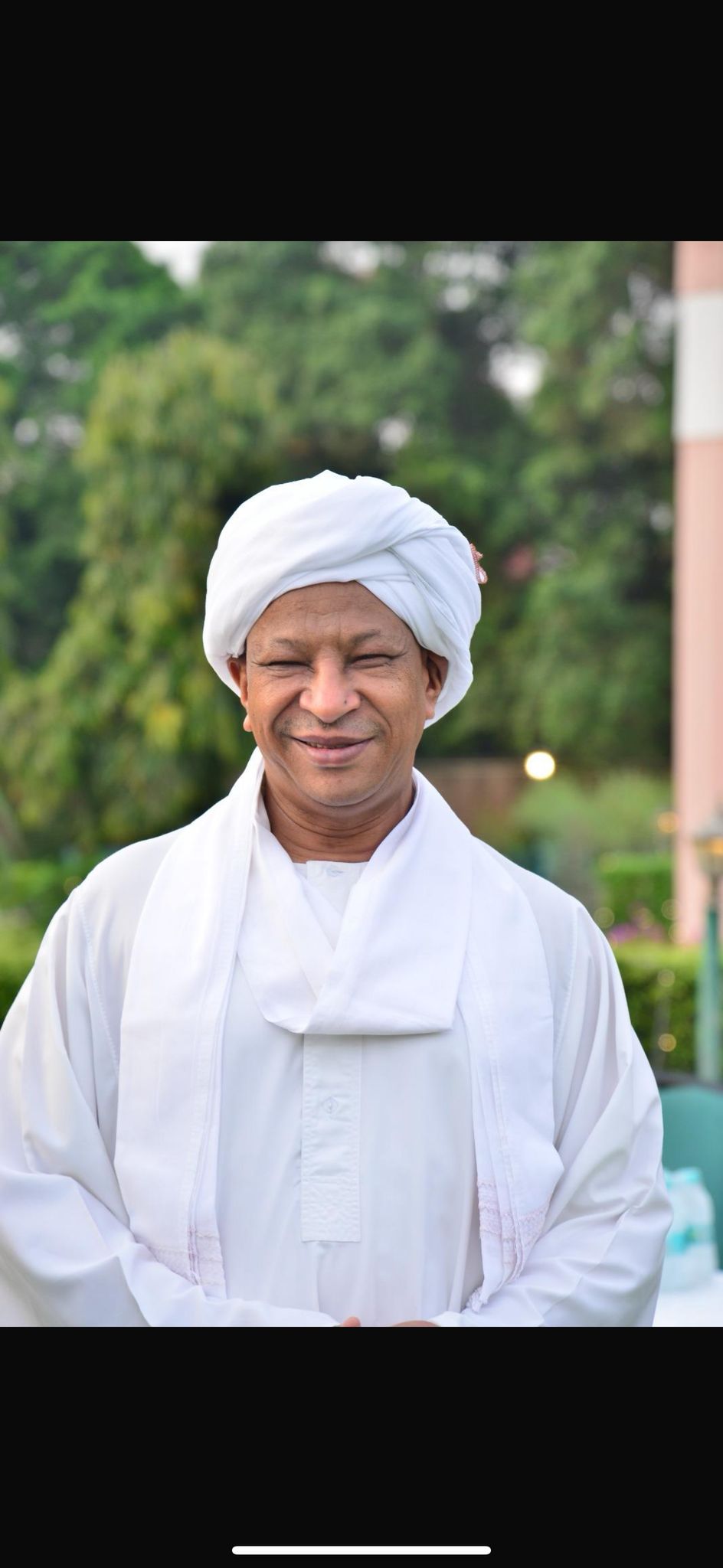
We are witnessing the departure of a man whose stature derived neither from his political position alone nor from his religious standing in isolation, but from the convergence of these two spheres of influence in one person, as well as from the historical legacy of a family whose name has been deeply embedded in the Sudanese collective consciousness and national movement since before independence.
First: The Al-Mirghani Family – More Than a Family, a Legacy in Sudanese Statehood
It is difficult to examine modern Sudanese political history without acknowledging the role played by the Al-Mirghani family through its religious and national leaders, foremost among them Sayyid Ali Al-Mirghani, one of the most prominent figures in Sudan’s religious and national movement.
The family's influence extended beyond spiritual leadership of the Khatmiyya Sufi Order to become part of the social and political fabric around which broad segments of Sudanese society gathered, particularly in the northern, central and eastern regions of the country, with connections extending to other areas.
The relationship between the Al-Mirghani family and the Unionist movement reflected a historical orientation towards the unity of the Nile Valley. Over time, and amid political transformations, this relationship evolved into one of the principal pillars of Sudanese party politics.
This political and social legacy contributed to several defining moments in Sudan's history, beginning with the national movement and independence negotiations, continuing through parliamentary democracy, and extending to periods of political conflict, successive national alliances and the various transformations the country has undergone.
Consequently, discussing the passing of Mawlana Mohamed Osman Al-Mirghani inevitably calls for recalling the history of an entire family that was not simply a religious household of distinction, but one of the historical actors in shaping Sudan's public sphere and collective national consciousness.
Second: Mawlana Mohamed Osman Al-Mirghani – Leadership Across Political Transformations
The late leader assumed the leadership of the Democratic Unionist Party relatively early in his political life, succeeding his father as the head of the Khatmiyya religious establishment. He subsequently became one of Sudan's most prominent political figures, maintaining an enduring presence across successive political regimes and historical eras.
His leadership experience was distinguished by several defining characteristics:
1. Combining Spiritual Authority with Political Leadership
Mawlana Al-Mirghani derived a significant part of his influence from the standing of the Khatmiyya Sufi Order, with its extensive historical and social presence. This position enabled him to communicate with segments of society beyond the reach of political parties alone, ensuring that his voice remained influential in moments of national consensus-building and mediation.
2. Maintaining a Political Position Amid Changing Circumstances
The late leader witnessed periods of democratic rule and military coups, and lived through successive governments and contrasting political systems. Throughout these transformations, his name remained present in the calculations of both government and opposition, as well as in political negotiations and settlements.
Among the most significant milestones of his political career was his leadership of the National Democratic Alliance, which opposed the Ingaz regime, and his role in supporting efforts to bring the civil war to an end.
3. The 1988 Al-Mirghani–Garang Agreement
This agreement represents one of the most important milestones in his political career. Signed with Dr. John Garang, leader of the Sudan People's Liberation Movement (SPLM), in November 1988, it presented a political framework for ending the civil war through a ceasefire and addressing major national issues, foremost among them the question of Islamic law and the relationship between religion and the state.
The agreement was more than a document between two political parties. It was an early attempt to redefine relations among Sudan's diverse components on the basis of dialogue and consensus, prioritising a political solution over the logic of war.
This milestone has remained one of the clearest indications that Mawlana Al-Mirghani viewed national compromise as a way out of the crises that had exhausted the country.
4. Commitment to Consensus and Mediation
Throughout his political career, Al-Mirghani consistently advocated a peaceful approach based on national unity and rejecting division. His calls for national dialogue in recent years were a continuation of this political legacy.
He returned to Sudan in November 2022 after years of residence in Cairo, as part of an initiative through which he called for comprehensive Sudanese dialogue. The outbreak of war in April 2023 forced him back to Cairo, where he spent his final years as Sudan entered one of the most dangerous periods in its modern history.
Third: The Impact of His Passing on the Khatmiyya Order and the Sudanese Collective Consciousness
The greatest loss in the spiritual and social sphere lies in the departure of a religious authority to whom followers of the Khatmiyya Sufi Order had been emotionally and spiritually attached for decades.
Sufi orders in Sudan have not been merely institutions of worship and spiritual education. They have also played social, cultural, educational and reform-oriented roles, contributing to the promotion of solidarity, tolerance and communication among different components of society.
With its extensive presence and historical reach, the Khatmiyya Order represents one of the principal pillars of this social structure.
The passing of its spiritual leader therefore places the institution before a historic responsibility that goes beyond the question of succession. It must preserve the unity of the Order, safeguard its spiritual and social legacy, and renew its presence in a society exhausted by war, polarisation and displacement.
This makes a wise and institutional leadership transition particularly important—one that preserves the unity of the Order and prevents political competition from spilling over into the spiritual institution.
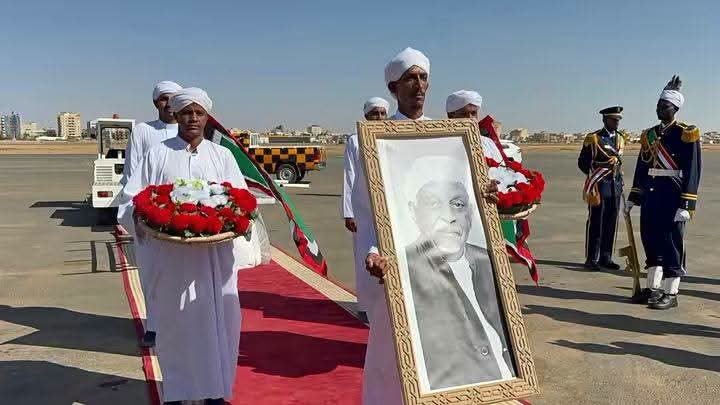
A spiritual legacy should not become a battleground for influence and power. Rather, it should be treated as a responsibility to safeguard the values upon which the institution was founded.
Fourth: The Political Impact – A Vacuum in the National Balance of Power
Politically, the passing of Mawlana Mohamed Osman Al-Mirghani leaves a vacuum that cannot be measured by parliamentary seats or the size of a party organisation, but rather by the extent of his influence within Sudan's political equation.
He represented one of the leading figures of Sudan's traditional political establishment, with deep historical and social roots. He also maintained the ability to communicate with diverse actors within the country and across its immediate neighbourhood, even when their political positions differed.
The implications of his passing can be examined at four levels:
First: The Future of the Democratic Unionist Party (Original)
The party now faces a genuine test concerning its leadership and institutional reconstruction. Having been associated with a single historical figure for decades, it must undertake political and organisational reassessment, restoring the role of institutions, party cadres and established political structures.
The central question is whether the party can transform its historical legacy into a renewed political project or whether it will face further divisions and competition over leadership and representation.
Second: The Balance Between Traditional and Modern Political Forces
Al-Mirghani represented one of the principal pillars of Sudan's traditional political school, alongside other historical establishments. His presence helped maintain the relevance of this political current in national affairs.
With his departure, the political arena loses a figure with extensive accumulated experience and a network of domestic, regional and international relationships that cannot easily be replicated in a short period.
Third: Prospects for National Dialogue Amid the War
His passing comes at a time when Sudan is facing an existential war threatening its unity, institutions and social fabric.
The need for figures with historical stature and the ability to engage different parties has never been greater.
His absence therefore raises an important question: Who can now assume the role of a national mediator with sufficient social and political legitimacy, and the ability to engage different forces without becoming a captive of deep political polarisation?
Fourth: Regional and International Relations
Al-Mirghani had extensive experience in dealing with Sudan's Arab and African surroundings, maintaining long-standing relationships with political circles in Egypt, Saudi Arabia, Eritrea and other countries in the region.
His passing undoubtedly leaves a gap in some of the historical channels of communication established over several decades, particularly in Sudanese-Egyptian relations, where the Al-Mirghani family has long served as a bridge of social and political ties.
Fifth: The Al-Mirghani Family and the Future of Its National Legacy – A Responsibility Beyond Succession
One of the most important questions raised by the passing of Mawlana Mohamed Osman Al-Mirghani concerns the future of the Al-Mirghani family's historical legacy—not merely as a family inheritance or social standing, but as part of Sudan's national memory.
The family has played a role in independence-related issues, the formation of political parties and alliances, Sudan's relations with its Arab surroundings, and various milestones of national reconciliation and political dialogue.
It is important here to distinguish between the continuation of the family's historical standing and the continuation of its political influence in precisely the same form. History may grant a legacy moral authority, but it does not automatically guarantee its preservation by subsequent generations.
The coming period requires three essential steps:
- Preserving the unity of the Khatmiyya religious establishment and safeguarding its spiritual and social mission.
- Rebuilding the Democratic Unionist Party (Original) on institutional foundations, while opening the way for the renewal of its leadership and political programmes.
- Transforming the Al-Mirghani family's national legacy into a force for Sudanese consensus, away from any monopoly over history or the use of religious symbolism in partisan conflicts.
I believe that the true meaning of honouring the late leader does not lie in merely recalling his achievements, but in drawing upon the finest aspects of his experience: political wisdom, moderation and a firm belief in the importance of Sudan's unity.
Sixth: What Does His Passing Mean for Sudan at This Historic Moment?
The timing of his passing carries profound significance.
Sudan is not currently undergoing an ordinary political transition. Rather, it faces challenges that threaten the very existence of the state, its unity and sovereignty, as a result of war and its consequences: social and political fragmentation, regional and international interference, the weakening of state institutions and the expanding scale of human suffering.
Under such circumstances, figures with historical stature and national symbolism become particularly important in rebuilding trust among the different components of society.
Through his religious and political standing, Mawlana Mohamed Osman Al-Mirghani was one of those figures capable of contributing to the creation of an environment conducive to national consensus.
His passing therefore places an even greater responsibility on Sudanese political forces. It is no longer possible to rely solely on historical figures to overcome the country's crises. The transition must be made from an era of individual leadership to one of building national institutions capable of enduring beyond their founders.
Political forces, particularly the Democratic Unionist Party, must recognise that Sudan now needs a national project that takes precedence over partisan calculations and restores the importance of the state, its institutions, unity and sovereignty.
Seventh: A Final Historical Reflection – What Remains After the Passing of Leaders?
There is a truth in Sudanese political history that deserves reflection: certain families and leadership figures have exerted influence beyond their own generations because they became associated with major transformations in the formation of the state and society.
The Al-Mirghani family is one of those whose presence cannot be separated from any comprehensive reading of modern Sudanese history.
However, history does not grant political leaders immunity from criticism, nor does it place all their positions beyond scrutiny. An objective assessment of Mawlana Mohamed Osman Al-Mirghani's experience requires recognition of his religious and national contributions, while also subjecting his political record, including his choices, alliances and positions, to historical evaluation.
This does not diminish the late leader's standing. On the contrary, it gives his experience its due recognition and allows its lessons to be properly understood.
Sudan needed his wisdom and experience at this critical juncture. Yet fate decreed that he should depart at a time when the country is in greater need than ever of voices advocating moderation and consensus.
Perhaps the greatest tribute Sudanese people can pay to his memory is to make his passing an opportunity to reassess the course of national action, reconcile themselves with their history, and recognise that nations are not built through leadership alone, but through institutions, consensus and a collective national will.
Conclusion: The Leadership That Passes, the Legacy That Endures
“Historic leaders are not measured by the number of years they remain in positions of authority, but by the impact they leave on the memory of nations and the course of states. When figures who have built bridges between the different components of a nation pass away, it becomes the responsibility of succeeding generations to preserve those bridges, rather than compete over the positions they have left behind.”
May Allah have mercy on Mawlana Sayyid Mohamed Osman Al-Mirghani, accept his good deeds, and place his contributions to his faith and homeland in the balance of his good deeds. May He grant patience and solace to his honourable family, the Al-Mirghani household, followers of the Khatmiyya Sufi Order, leaders and members of the Democratic Unionist Party, his admirers, and the Sudanese people as a whole.
Post your comments
Photo of the Week
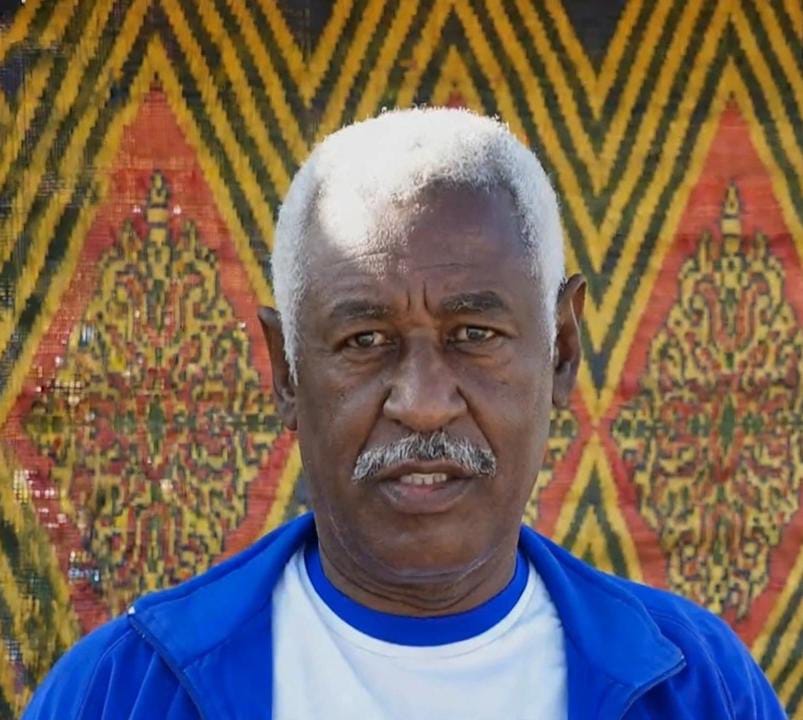
Khartoum – Sudanow – Sudanese explorer Shams Al-Din Abdel Halim Al-Bashir is preparing to embark on a journey to Qatar, carrying a national and humanitarian message aimed at raising awareness of Sudan’s issues, particularly the plight of women and children affected by the war. The journey will be undertaken under the slogan: “For the Women and Children of...
More-
16 November, 2026
Tales of Return Civil Registry Recovers Its Entire Database Despite War Destruction
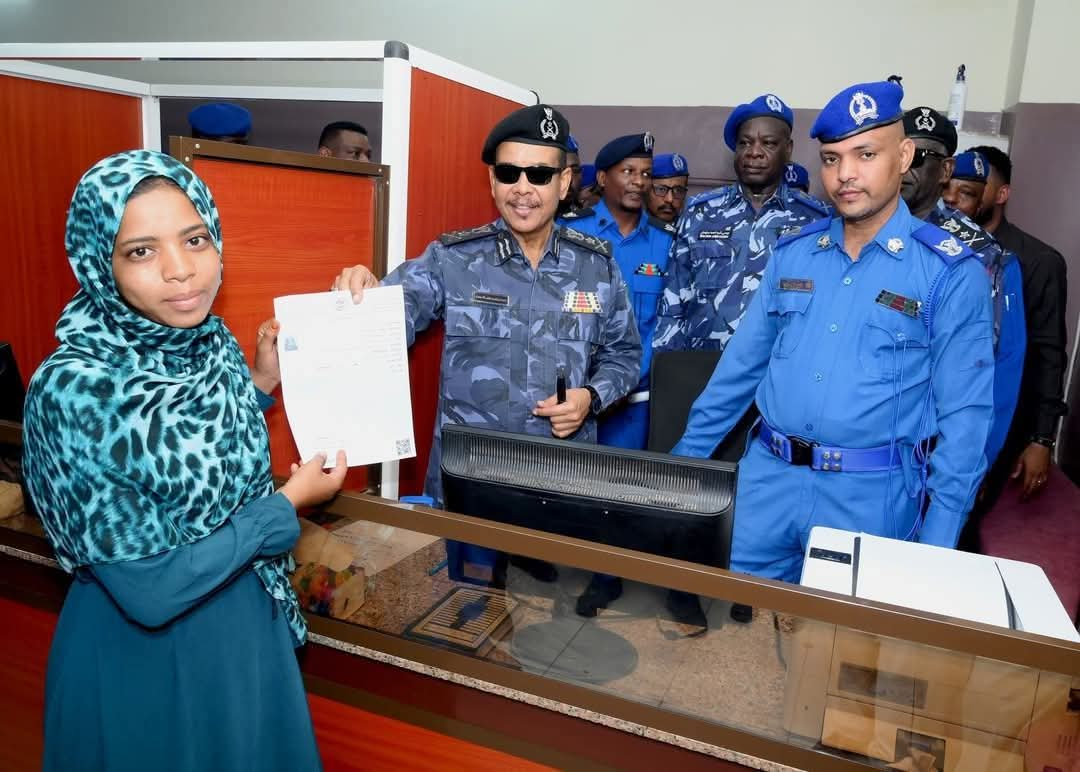
A significant step forward:Reviewing civil records and refining National Identification Numbers to safeguard national identity. Major General Iqbal Mansour: Data recovery has enabled the continuation of services and the resumption of registration. Lieutenant General Dr. Jalal Tawar: Hails the thwarting of militia plans. Sudan’s Civil Registry has fully recovered its database despite the damage inflicted on its a...

Contact Us

Address: Sudan News Agency (SUNA) Building, Jamhoria Street, Khartoum - Sudan
Mobile:+249 909220011 / +249 912307547