

Tales of Return Civil Registry Recovers Its Entire Database Despite War Destruction
16 November, 2026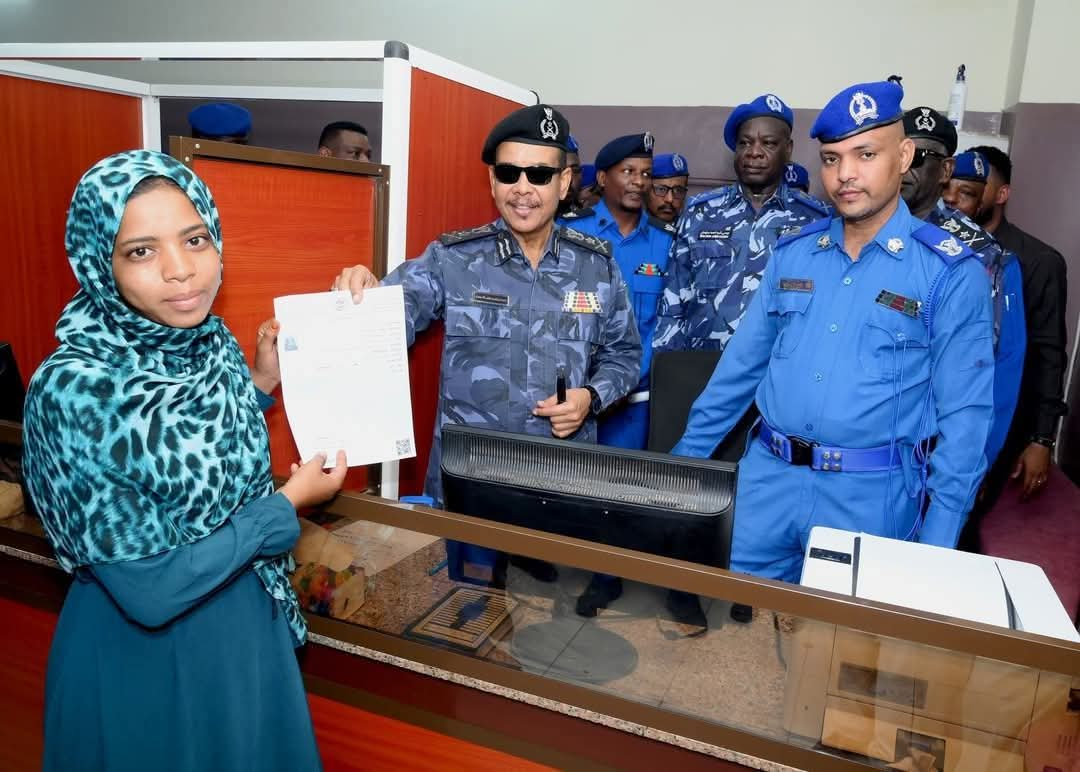
A significant step forward:
Reviewing civil records and refining National Identification Numbers to safeguard national identity.
Major General Iqbal Mansour: Data recovery has enabled the continuation of services and the resumption of registration.
Lieutenant General Dr. Jalal Tawar: Hails the thwarting of militia plans.
Sudan’s Civil Registry has fully recovered its database despite the damage inflicted on its archives and facilities in the states of Khartoum, Al Jazirah and Sennar. The achievement overcomes one of the greatest challenges the war has imposed on state institutions and restores this vital public service agency’s ability to continue serving citizens.
The recovery also paves the way for a new phase of institutional recovery and the modernisation of the national identity and civil documentation system.
Major General Iqbal Mansour Abdel Karim, Director of the Identity and Registration Department at the General Administration of the Civil Registry, said that the database had been fully restored, a development that had positively affected the continuity of services.
She noted that electronic applications for registering young children had begun, both inside Sudan and abroad, in a move aimed at simplifying procedures and expanding access to services, particularly for citizens whose circumstances had forced them to reside outside the country.
The State's Memory
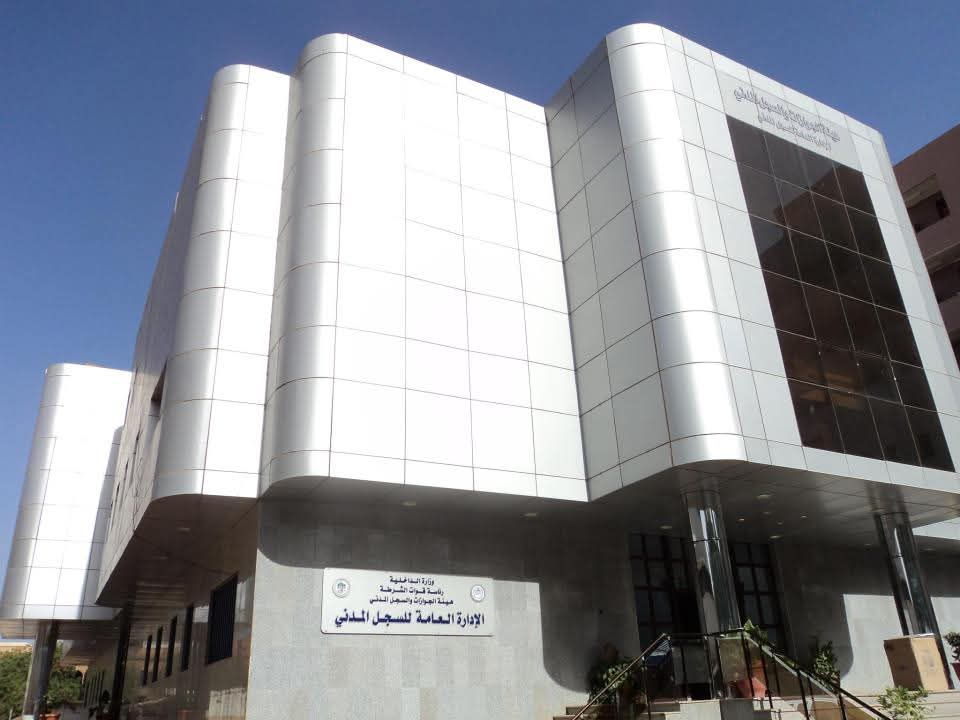
The Civil Registry represents the state's institutional memory in documenting identity, safeguarding rights and regulating the relationship between citizens and state institutions.
The National Identification Number is no longer merely a document proving personal identity. It has become an essential gateway to public services and official transactions, as well as a fundamental basis for establishing rights and obligations.
Accordingly, the full recovery of the database means preserving a vital body of information on which state institutions rely to deliver services. It also limits the potential consequences of losing official documents and records, while reassuring citizens that they can continue obtaining their identification documents and establishing their identities despite the exceptional circumstances imposed by the war.
Thwarting the Plans
Strategic affairs expert Lieutenant General (Police Legal Affairs) Dr. Jalal Tawar described the full recovery of the Civil Registry database as a major achievement, made possible through the dedicated efforts of police, passport and identity-sector officers, technical specialists and personnel who succeeded in restoring all records relating to National Identification Numbers, identity documents, identity cards and passports.
In comments to Al-Karama newspaper, Tawar said the achievement represented a blow to the plans of the Rapid Support Forces (RSF), which had targeted government data and records, including land registries and official documents.
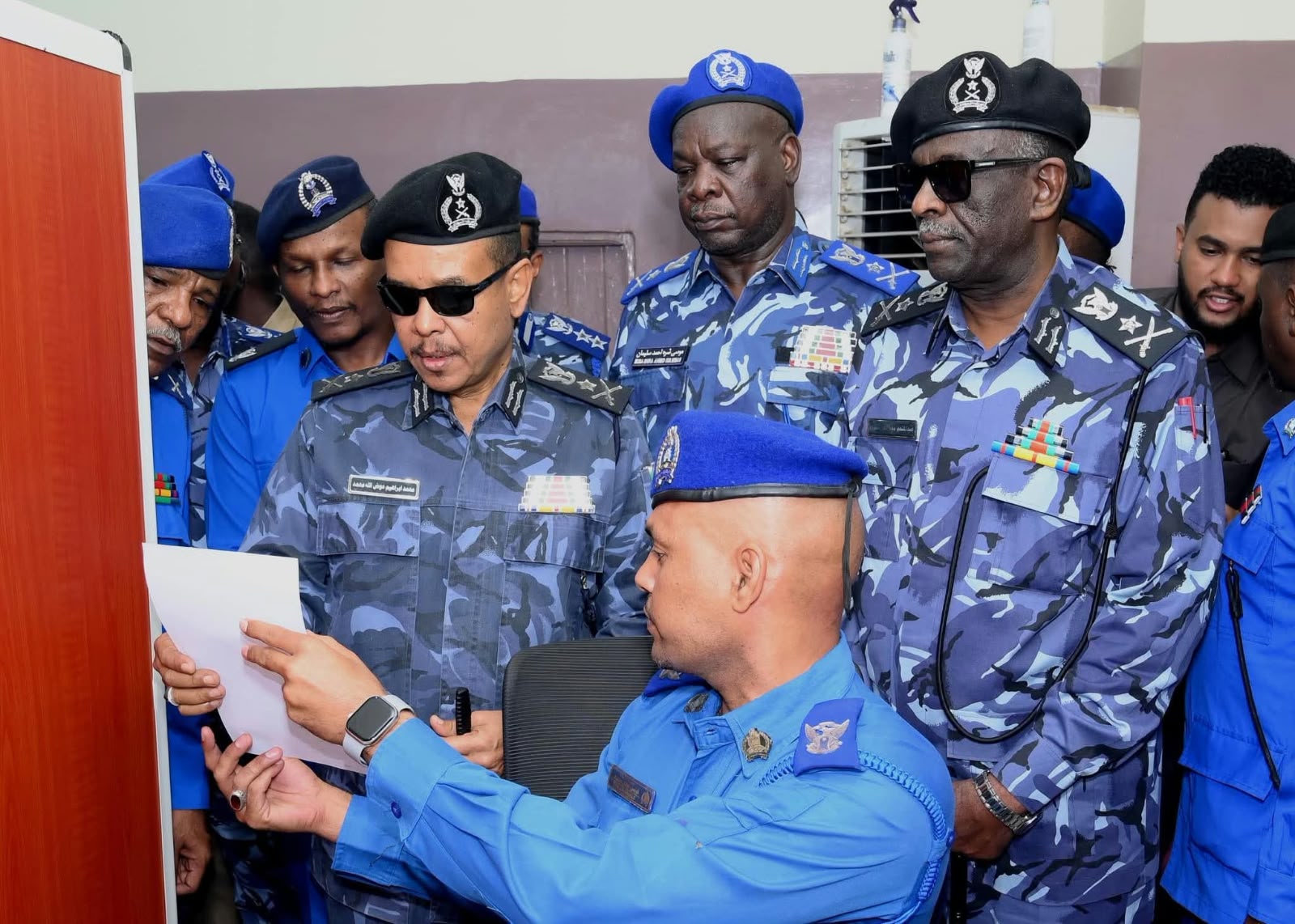
He noted that restoring the necessary information strengthens the state's capacity to regulate the identity system and protect citizens' rights. It also restores one of the state's essential instruments for managing society and safeguarding individual rights, while reducing the risks associated with the absence of official records or their manipulation.
Lieutenant General Tawar further explained that recovering the database provides an important opportunity to correct past irregularities, including allegations concerning the issuance of National Identification Numbers to foreign nationals. Such a review, he said, would strengthen the protection of Sudanese identity and safeguard the Civil Registry against infiltration.
He stressed that this review should not be interpreted as questioning citizens' identities or undermining the rights of those who have legally acquired Sudanese nationality. Rather, its purpose is to protect the registry against violations and irregularities.
Tawar paid tribute to the technical specialists, officers and personnel who contributed to the achievement, describing it as a source of pride for the Sudanese people.
Reliability and Credibility
Earlier, the Director of the Passports and Civil Registry Authority, Lieutenant General (Police Legal Affairs) Osman Mohamed Al-Hassan Denkawi, denied reports alleging that two million foreign nationals had been granted National Identification Numbers by the commander of the RSF militia, affirming that these claims were unfounded.
Denkawi explained that identifying any irregularities in the Civil Registry would be relatively straightforward. He pointed out that tribal and family ties across neighbouring countries may sometimes result in members of the same family holding different nationalities, explaining some of the cases that generate controversy over identity and citizenship.
He also affirmed that the Sudanese passport enjoys a high level of reliability and incorporates 13 internationally recognised security features. It has also received official recognition from the International Civil Aviation Organization (ICAO), enhancing its acceptance and credibility at international airports.
These remarks underscore the importance of distinguishing between the legal procedures governing the acquisition of citizenship and the demographic and tribal interconnections commonly found in border regions. Such a distinction is essential to protecting citizens' rights and strengthening confidence in official documents.
The Next Challenge
Experts and specialists agree that the recovery of the database places the Identity and Registration Department before a new responsibility: developing its operational system and making effective use of the restored data to improve procedural efficiency and modernise service delivery.
This requires adopting more robust electronic systems, improving information-verification mechanisms and protecting databases against the risks of loss, manipulation or cyber intrusion.
The launch of electronic applications for registering young children, both inside Sudan and abroad, represents an important step, particularly for families forced by the war to relocate or reside outside the country.
Expanding electronic services will help overcome geographical distances, reduce the burden of travel and administrative procedures, and ensure that children are registered and their civil documentation rights protected from the earliest years of their lives.
According to experts, the next phase requires continued investment in technological infrastructure, capacity-building for personnel and stronger coordination among relevant state institutions. These measures are essential to transforming data recovery into a foundation for a new phase of service delivery and improved institutional performance.
A Critical Responsibility
Whatever the circumstances, protecting the National Identification Number remains a battle no less important than the struggle to restore state institutions and infrastructure, given its direct connection to citizens' rights, societal security and the future of the state.
The Identity and Registration Department now faces a major challenge: building on this achievement and translating it into services that are more accessible, efficient and secure, so that the National Identification Number can truly reflect and safeguard Sudanese national identity.
Post your comments
Photo of the Week
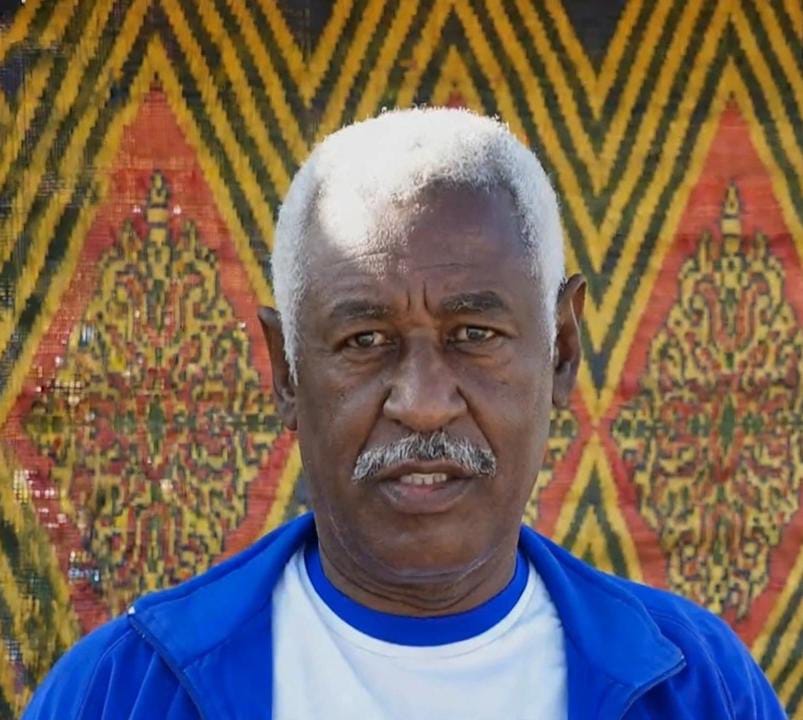
Khartoum – Sudanow – Sudanese explorer Shams Al-Din Abdel Halim Al-Bashir is preparing to embark on a journey to Qatar, carrying a national and humanitarian message aimed at raising awareness of Sudan’s issues, particularly the plight of women and children affected by the war. The journey will be undertaken under the slogan: “For the Women and Children of...
More-
16 November, 2026
Tales of Return Civil Registry Recovers Its Entire Database Despite War Destruction
A significant step forward:Reviewing civil records and refining National Identification Numbers to safeguard national identity. Major General Iqbal Mansour: Data recovery has enabled the continuation of services and the resumption of registration. Lieutenant General Dr. Jalal Tawar: Hails the thwarting of militia plans. Sudan’s Civil Registry has fully recovered its database despite the damage inflicted on its a...

Contact Us

Address: Sudan News Agency (SUNA) Building, Jamhoria Street, Khartoum - Sudan
Mobile:+249 909220011 / +249 912307547