

Abu Hamad’s Next Chapter: From Natural Wealth to a Modern Economic Hub
22 November, 2026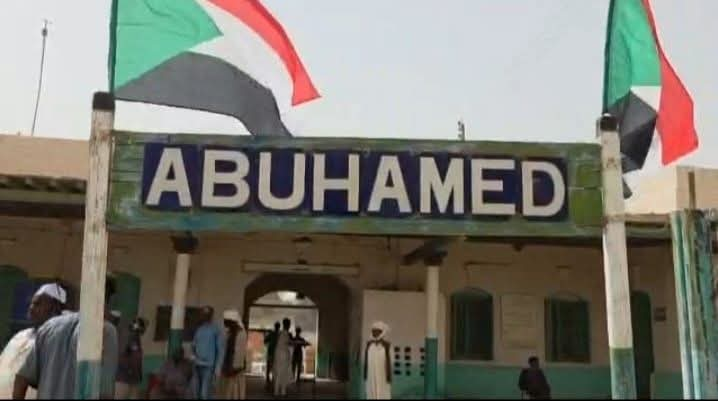
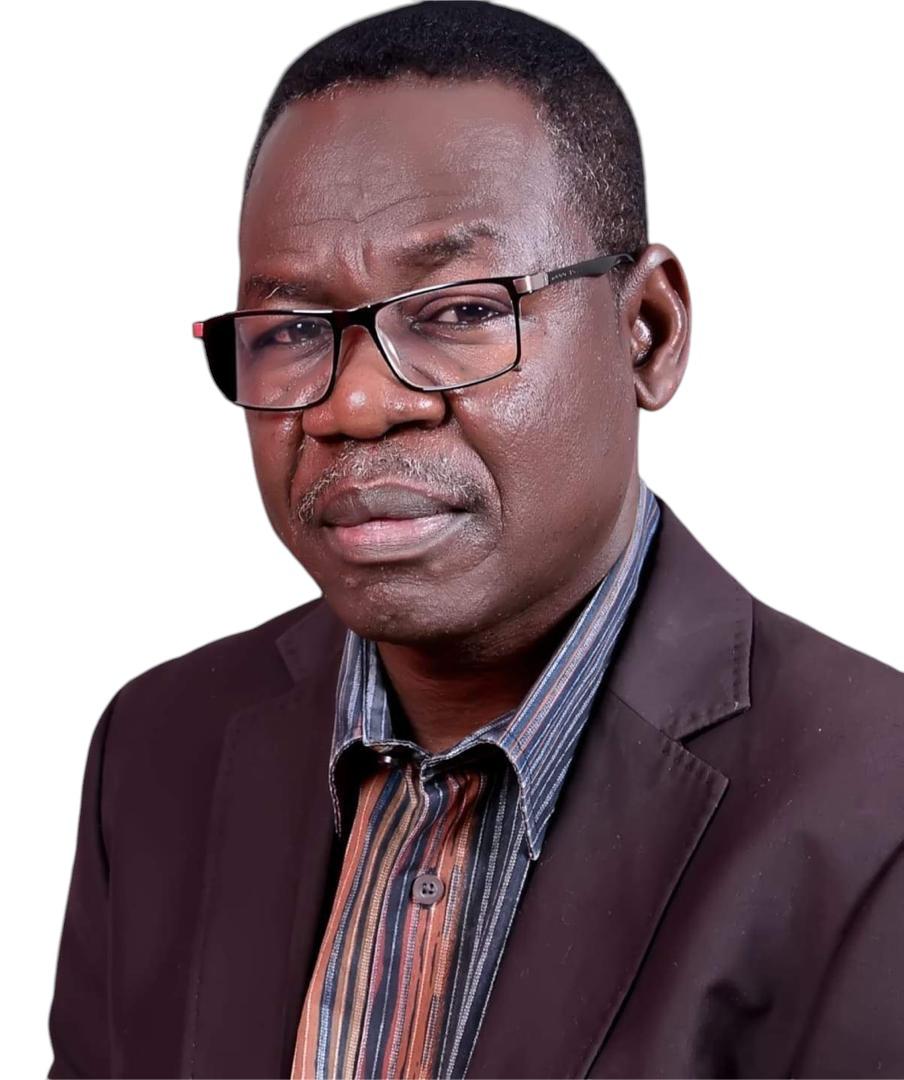
Dr. Yasser Ahmed Ibrahim outlines a roadmap to transform Abu Hamad into an integrated industrial, commercial and tourism center built on its mineral wealth, Nile resources and ancient heritage.
Khartoum (Sudanow)
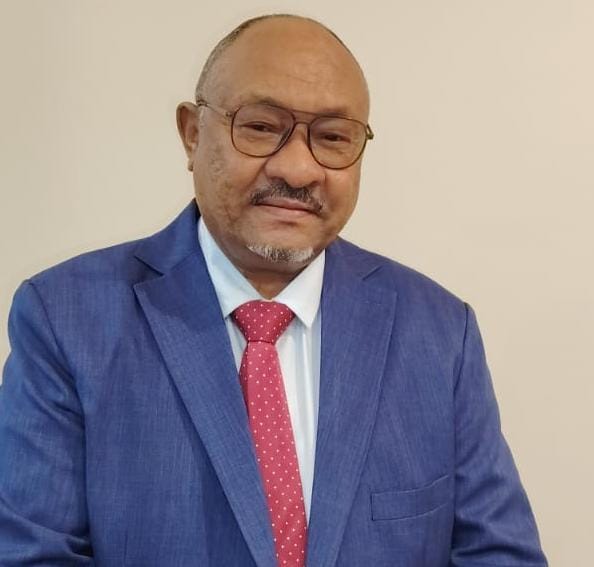
In the seventh and final installment of his historical and tourism journey through Abu Hamad and its surrounding areas, writer and researcher Dr. Yasser Ahmed Ibrahim presents a practical roadmap for transforming the town into an integrated economic, industrial and tourism hub, drawing on its natural resources, strategic location and rich historical legacy.
The Final Episode: A Roadmap for Building an Integrated Economic, Industrial and Tourism City
Ideas alone cannot build cities. No matter how ambitious the dreams, they require a practical plan to turn them into reality.
Having explored Abu Hamad’s potential in previous installments — from gold, minerals, the Nile and its strategic location to industry, trade, tourism and the legacy of the ancient Kushite civilization — the central question now is: How can the town move from envisioning its future to implementing a realistic development plan?
The answer begins with a clear vision, defined priorities, viable projects, timelines, responsible institutions, funding sources, and mechanisms for monitoring and evaluation.
1. A Strategic Master Plan for Abu Hamad
The first step should be the preparation of a comprehensive strategic master plan for Abu Hamad and its surrounding locality, involving specialists in urban planning, economics, engineering, environmental science, archaeology, agriculture, mining and tourism.
The plan should clearly define residential areas and future urban expansion, industrial zones, commercial and logistics facilities, agricultural and tourism areas, archaeological and historical sites, future roads and transport corridors, infrastructure networks, and environmentally protected zones.
Water, electricity, sanitation and telecommunications must also be incorporated into the planning process.
A city may expand in size without necessarily growing in value. Sustainable development begins with sound planning.
2. Building a Specialized Industrial Zone
Abu Hamad cannot aspire to become a major industrial center without a properly planned and equipped industrial zone.
Priority should be given to industries linked to the region’s resources and economic potential, including metal processing, construction materials, food production, packaging, machinery and equipment workshops, and engineering services supporting mining, agriculture and transport.
The objective is not simply to establish factories, but to build an integrated production chain that generates employment and increases the value of local resources.
Gold and mineral wealth can deliver far greater economic returns when processed and manufactured locally rather than extracted and transported in raw form.
3. Positioning Abu Hamad as a Logistics and Trade Hub
Abu Hamad’s geographical location offers an opportunity to develop it into a logistics and commercial center serving northern Sudan.
The project could include modern warehouses, storage facilities, transport and maintenance centers, wholesale markets, freight and distribution services, and organized commercial zones.
With improvements to roads and transport networks, Abu Hamad could become a strategic link between production centers and domestic and regional markets.
Its geographical location, therefore, could become more than a feature on the map — it could be a genuine economic advantage.
4. Modernizing Mining and Maximizing Its Economic Value
Mining remains one of the region’s major economic drivers. However, the sector needs to move beyond traditional practices toward more organized, efficient, safe and environmentally responsible operations.
This requires scientific exploration, technical training, improved extraction and processing technologies, stronger environmental safeguards, better regulation, and greater benefits for local communities.
Mining should also be linked to technical education and scientific research, enabling Abu Hamad to develop into a center of mining expertise rather than merely a source of raw materials.
5. Developing Nile-Based Agriculture and Agro-Industries
The Nile could become one of the main pillars of Abu Hamad’s future economy.
This calls for exploring opportunities to expand modern agriculture, adopt water-efficient irrigation systems, promote crops suited to local conditions, and establish food-processing, packaging and storage facilities.
Agricultural development should not stop at production.
Farming, processing, storage, transportation and marketing must operate as one integrated economic chain.
Such an approach could create jobs, particularly for young people, while increasing the value of agricultural output and strengthening local markets.
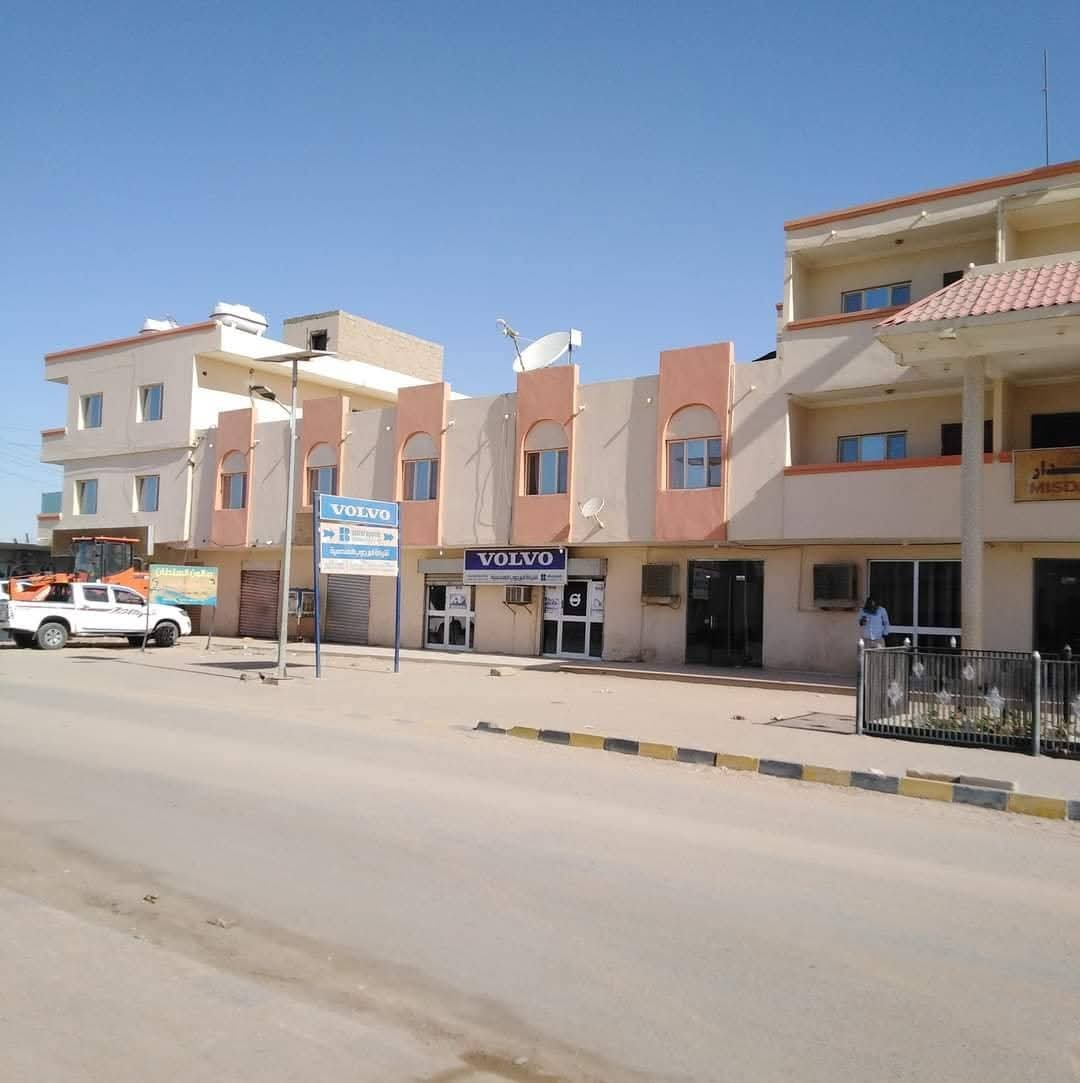
6. Abu Hamad: A Gateway to Kushite Heritage and Tourism
The region’s historical legacy should not remain confined to books and archaeological records.
A comprehensive archaeological and tourism map of Abu Hamad and its surrounding areas should be developed in cooperation with archaeological authorities, tourism institutions, universities and research centers.
The vision could include a local museum, a cultural center, heritage trails, interpretive signage at historical sites, traditional crafts and heritage industries, as well as Nile, desert and cultural tourism programs.
These initiatives could position Abu Hamad as an important destination on Sudan’s historical and cultural tourism map.
Gold may attract investors, but history can attract the world.
7. Investing in Youth and Building Skills
No development project can succeed without investing in people.
A specialized training and entrepreneurship center could offer programs in mining, electrical work, mechanics, welding, construction, modern agriculture, food industries, tourism, project management, computing and digital services.
A business incubator for small and medium-sized enterprises would also help young people turn their ideas into viable businesses.
The goal is to shift young people from waiting for employment to creating jobs and opportunities of their own.
8. A One-Stop Investment Service
A unified investment services center would be an important step toward attracting investors.
It should provide access to information on available land, licensing, procedures and relevant authorities under one roof, with transparent processes and clear deadlines for completing transactions.
Investors need three things above all:
Clarity, stability and trust.
9. Improving Essential Services
Economic growth and investment cannot be sustained without reliable public services and a decent quality of life.
Development must therefore go hand in hand with improved healthcare and education, safe drinking water, reliable electricity, expanded telecommunications, better internal roads, modern markets, and sports and cultural facilities.
A successful economic city is, ultimately, a city where people can live, work and thrive.
10. Building a Green and Sustainable City
Economic development must not come at the expense of natural resources.
Protecting the Nile and the surrounding environment should be built into the development plan from the outset. This includes regulating mining activities, treating waste, conserving water, expanding solar energy, planting trees, improving waste management and rehabilitating mining-affected areas.
The city being built today must not become an environmental burden for generations to come.
A Three-Phase Development Roadmap
To turn the vision into a workable development program, Dr. Yasser proposes a three-phase approach.
Phase One: Foundation (1–2 Years)
Prepare the strategic master plan, assess and map resources, conduct geological, agricultural and tourism studies, identify industrial and investment land, improve essential services, and establish the training center and one-stop investment service.
Phase Two: Launch (3–5 Years)
Develop the industrial zone and logistics services, launch agricultural and food-processing projects, advance tourism initiatives, support small and medium-sized businesses, and attract Sudanese and international investors.
Phase Three: Transformation (5–10 Years)
Move toward an integrated economic city linking mining to industry, agriculture to processing, trade to transport, tourism to heritage, and education to labor-market needs.
Over time, Abu Hamad could emerge as a model for a modern Sudanese city built on diversified economic activity, value addition and knowledge.
Financing the Vision
An ambitious development plan requires financing, but Abu Hamad need not depend solely on government budgets.
Potential funding and partnership channels include the federal government, the state and local authorities, the private sector, Sudanese investors at home and abroad, financial institutions, and international partnerships operating within national laws and regulations.
The key is to prepare technically sound and economically viable projects. Investors do not commit capital to aspirations alone; they look for clearly defined projects with credible prospects for success.
An Abu Hamad Development Council
To ensure continuity beyond administrative and political changes, Dr. Yasser suggests considering the establishment of an Abu Hamad Development Council.
The proposed council would bring together representatives of government, the local authority, the private sector, community organizations, universities, experts, and Abu Hamad’s sons and daughters at home and abroad.
Its responsibilities would include setting development priorities, preparing projects, mobilizing funding, overseeing implementation and publishing regular progress reports.
Without an institution responsible for follow-through, even the most ambitious plan risks becoming little more than a document gathering dust.
Abu Hamad: The Future Can Begin Now
Transforming Abu Hamad into a modern economic city is not an impossible dream. Many of the essential ingredients are already there:
Gold, the Nile, land, strategic location, history, mineral wealth, people and ambition.
What is needed is to bring these assets together under a unified vision, a coherent plan and a shared commitment.
If gold can be turned into industry, the Nile into production, geography into trade, history into tourism, and young people into a driving force for employment and innovation, Abu Hamad will be more than a town growing with the passage of time.
It will become a city that shapes its own future.
This is the principle that should guide the next stage: Abu Hamad must not simply be a city endowed with resources; it must become a city that creates value.
The next step is clear: move from planning to implementation, from ideas to projects, and from projects to measurable results.
Conclusion: From Kush to Atmour, From Gold to Industry, From History to the Future
Reflecting on the journey along the Nile, through Kushite archaeological sites, the Atmour Desert and ancient caravan routes, Dr. Yasser says one truth stands out: Abu Hamad is far more than a town on Sudan’s geographical map. It is a region carrying a civilizational legacy that stretches back thousands of years.
The remains of ancient civilizations — inscriptions, tombs, archaeological structures, roads and trade routes — are not merely silent stones. They are historical records that tell the story of the Sudanese people, their ability to build civilizations, establish trade networks and adapt to life along the Nile and across the desert.
Today, Abu Hamad faces a new historic opportunity. Just as geography shaped its past, it can help shape its future through the development of gold, the Nile, mineral resources, its strategic commercial location, archaeological heritage and tourism potential.
But realizing this potential requires transforming scattered resources and opportunities into an integrated development project — one that protects archaeological sites, advances scientific research, develops tourism, and creates opportunities for investment, industry and services.
Safeguarding the archaeological heritage of Abu Hamad and Atmour is not the responsibility of a single institution. It is a shared national responsibility. These treasures belong not only to the people of the region, but also form an essential part of Sudan’s collective memory and civilizational identity.
Perhaps the most important message of this journey is that Sudan has never been a land without history. It is a land that built civilizations, witnessed the passage of caravans and saw kingdoms flourish. Its treasures are still waiting to be discovered, understood and responsibly developed.
Abu Hamad — from the civilization of Kush to Atmour, from gold to industry, and from history to the future.
The story may end here on paper.
But Abu Hamad’s real journey toward the future begins now.
Post your comments
Photo of the Week

Khartoum (Sudanaow Magazine) - In the heart of the capital Khartoum, specifically in the upscale Al-Taif neighbourhood, a young Sudanese man succeeded in turning his childhood dream and hobby of raising birds into a unique environmental and tourism project in Sudan and the region. It is the Marshal Nature Reserve, which had become a destination for visitors, embassies, and intern...
More-
16 November, 2026
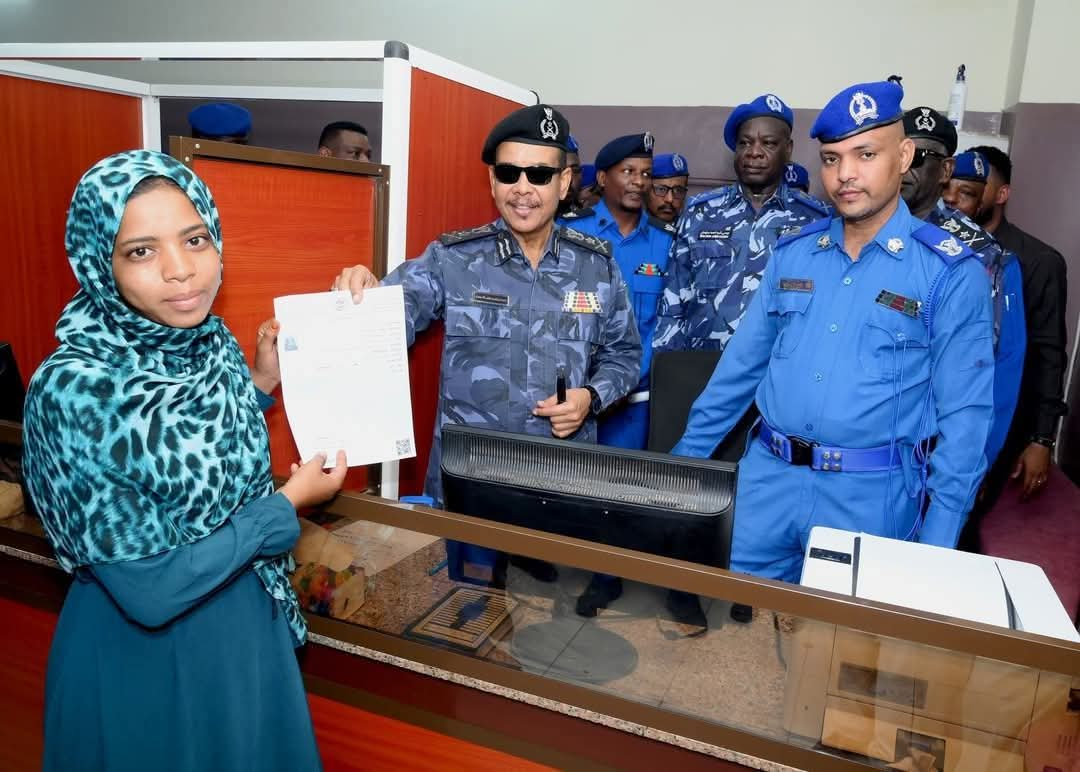
Tales of Return Civil Registry Recovers Its Entire Database Despite War Destruction
A significant step forward:Reviewing civil records and refining National Identification Numbers to safeguard national identity. Major General Iqbal Mansour: Data recovery has enabled the continuation of services and the resumption of registration. Lieutenant General Dr. Jalal Tawar: Hails the thwarting of militia plans. Sudan’s Civil Registry has fully recovered its database despite the damage inflicted on its a...

Contact Us

Address: Sudan News Agency (SUNA) Building, Jamhoria Street, Khartoum - Sudan
Mobile:+249 909220011 / +249 912307547