

French Parliamentary Delegation’s Visit Draws Positive Response, Strengthening Sudan’s Narrative
29 November, 2026
French Parliamentary Delegation: Reinforcing Sudan’s Case Abroad
Khartoum’s Opportunity to Inform the International Community of Violations | A Parliamentary Diplomatic Initiative
Classifying the Militia as a Terrorist Organization: An Expected Step
Dr. Abdel-Azim: Field Testimonies and Documented Evidence Condemn the Rebellion
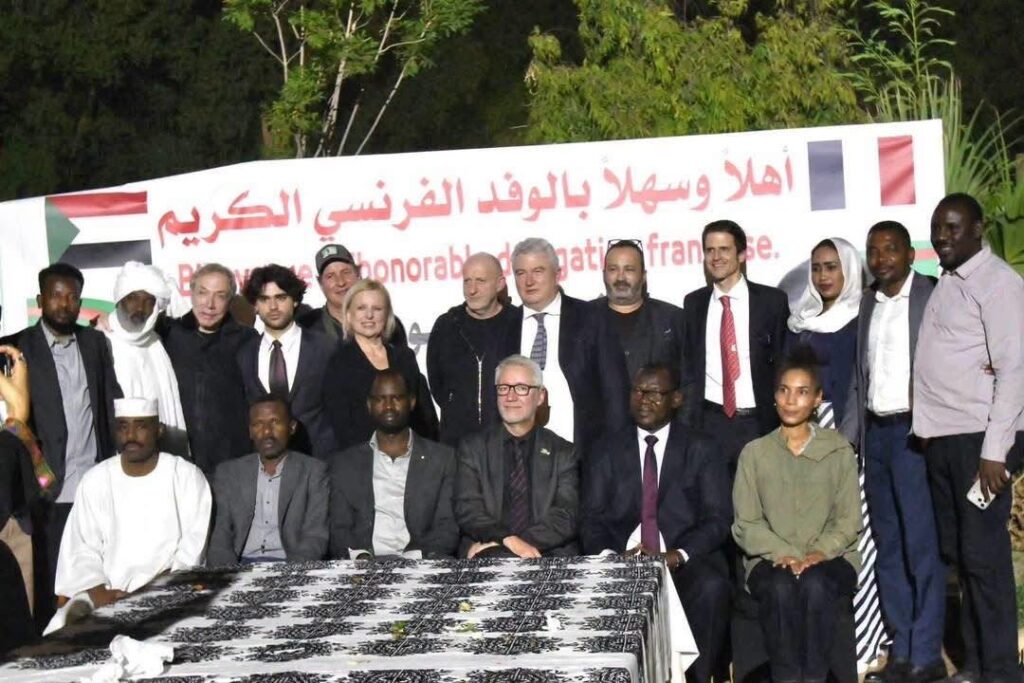
The visit of a French parliamentary delegation, accompanied by a group of media professionals and human rights advocates, has been widely welcomed by Sudanese communities at home and abroad. The visit is viewed as an important step toward conveying the realities of the war in Sudan to European political and media institutions, through firsthand observation of the war’s aftermath and direct engagement with victims and survivors of violations committed by the Rapid Support Forces (RSF) militia.
The visit gains further significance from statements made by French MP Mario Christopher, who expressed his country’s support for Sudan and pledged to initiate parliamentary efforts to push for the designation of the militia as a terrorist organization. He also committed to advocating for the continuation of humanitarian assistance and contributing to Sudan’s post-war reconstruction efforts.
These positions raise important questions about Khartoum’s ability to turn the visit into a political and media opportunity that extends beyond its immediate timeframe and geographical reach.
An Important Development
Observers describe the French delegation’s visit as an important development in Sudan’s engagement with European legislative and media institutions. Firsthand observation gives delegation members the opportunity to assess the consequences of the war beyond secondhand reports, listen to victims and survivors, and witness the scale of destruction inflicted on communities, public facilities, and essential services.
MP Mario Christopher’s remarks about crimes committed in Darfur and Kordofan, which he described as crimes against humanity and ethnic cleansing, reflect the potential impact of firsthand testimonies on shaping political positions. His announcement that he intends to pursue efforts within the French Parliament to designate the RSF as a terrorist organization and seek the prosecution of those involved before the International Criminal Court (ICC) represents a political position worth following closely.
Christopher also affirmed that Sudan has become his second home, noting that he had deliberately brought a larger group of journalists and human rights advocates on his current visit.
An Opportunity
The significance of the French parliamentary delegation’s visit lies in the opportunity it offers Sudan to strengthen its narrative before international public opinion through firsthand observations, testimonies, and documented evidence.
The presence of French journalists within the delegation opens a channel for conveying their observations to French media outlets and, subsequently, to broader segments of European society. This could help present a more direct and accurate picture of the realities of the war and its humanitarian consequences.
Such an opportunity, however, requires Sudanese institutions to provide reliable information, professionally document violations, and make testimonies and evidence accessible to journalists and human rights advocates, while safeguarding the rights and dignity of victims.
Expanding the Circle
Observers agree that the Sudanese government has an opportunity to capitalize on the French visit by opening broader channels of engagement with parliaments in friendly and allied countries. This could be achieved by extending official invitations to parliamentary, media, and human rights delegations to visit Sudan and assess the impact of the war in affected areas.
These visits should not be limited to official meetings. They should include field programs that enable delegations to meet victims and survivors, visit damaged sites, and hear testimonies from relevant authorities and civil society organizations.
Such an initiative requires coordination among the ministries of foreign affairs, information, and other relevant institutions to develop clear visit programs, provide information and documentation, and follow up on the positions and recommendations emerging from each visit.
Sudan could also draw on the French delegation’s experience to build a network of parliamentary and media relations that continues beyond the visit, evolving into regular communication channels within international legislative and media institutions.
Strengthening Sudan’s Narrative
Reinforcing these perspectives, Dr. Abdel-Azim Awad, a broadcasting expert and journalist, described the French parliamentary delegation’s visit, accompanied by media professionals and human rights advocates, as an important step toward raising awareness of the realities of the war in Sudan.
In his remarks to Al-Karama, he said field visits hold particular value because they move delegation members beyond receiving information and reports to firsthand observation and listening directly to the testimonies of affected people. This, he noted, creates broader opportunities for the Sudanese cause to reach European political and media institutions.
He added that the inclusion of journalists and human rights advocates in the delegation carries further significance, as the impact of the visit should not be confined to official meetings but should extend to conveying observations and testimonies through French media and, consequently, to European public opinion.
Dr. Abdel-Azim emphasized that Sudan’s narrative needs to communicate with the world in a language it understands—one built on accurate information, documented images, and firsthand testimony, rather than emotional rhetoric or an exchange of accusations.
He further noted that the Sudanese government is required to capitalize on the visit by launching a coordinated diplomatic and media initiative, inviting delegations from friendly and allied parliaments to observe the consequences of the war firsthand, listen to victims, and review evidence and documentation of violations.
He stressed that such efforts must form part of an ongoing program that brings together the ministries of foreign affairs and information and other relevant institutions, with follow-up mechanisms to ensure that each visit translates into positions and initiatives within parliaments and international forums.
Dr. Abdel-Azim also pointed out that engaging European public opinion is a critical component of this effort, as international positions are shaped not only through official channels but also by media coverage and the perceptions and information held by societies.
He concluded that Sudan needs to move away from reactive media responses toward a proactive strategy built on a unified narrative, multilingual professional tools, and the mobilization of Sudanese media professionals at home and abroad. This would ensure that the facts revealed through field visits do not remain fleeting observations but become lasting knowledge that influences decision-making circles and international public opinion.
An Important Conclusion
Whatever the outcome, the French parliamentary delegation’s visit opens an important window for Sudan to strengthen its presence in European circles of influence. At the same time, it places responsibility on the Sudanese government to capitalize on this opportunity in a structured and sustainable manner.
The commitments made by MP Mario Christopher require political and parliamentary follow-up, while the media attention generated by the visit must be sustained through credible, documented, and continuously updated material. Invitations to other delegations should form part of a clearly defined strategy rather than seasonal initiatives tied to isolated events.
Beyond the need to inform the world of what has happened in Sudan, the country must also develop the tools that enable the international community to see, verify, and examine the facts—ultimately leading to positions grounded in evidence, with the protection of civilians and accountability for those responsible for violations at the forefront of international priorities.
Post your comments
Photo of the Week

Khartoum (Sudanaow Magazine) - In the heart of the capital Khartoum, specifically in the upscale Al-Taif neighbourhood, a young Sudanese man succeeded in turning his childhood dream and hobby of raising birds into a unique environmental and tourism project in Sudan and the region. It is the Marshal Nature Reserve, which had become a destination for visitors, embassies, and intern...
More-
29 November, 2026
Sudan’s 16 Days of Activism Against Gender-Based Violence Continue
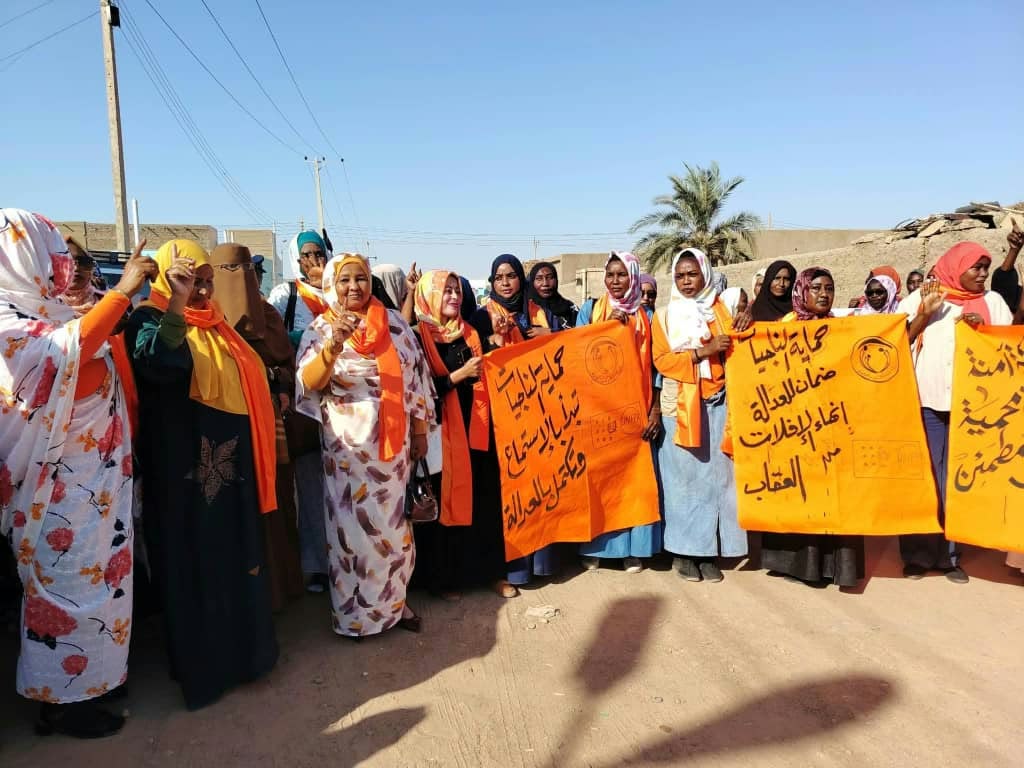
Women in Sudan: From Violations to Justice and Redress War Has Widened the Circle of Risks, Leaving Survivors in Need of Protection, Psychological and Legal Support Justice, Accountability, and Economic Empowerment: Critical Priorities Ending Violence Requires the Participation of All Segments of Society | Government Interventions The United Nations’ annual 16 Days of Activism Against Gender-Based Violence camp...

Contact Us

Address: Sudan News Agency (SUNA) Building, Jamhoria Street, Khartoum - Sudan
Mobile:+249 909220011 / +249 912307547