




Sesame, Food and Medicine Combined
13 August, 2017
KHARTOUM (Sudanow) - Sesame is an oil seed and is one of Sudan’s important foreign exchange earners.
The sesame crop flourishes best in the rain-fed agricultural zones of Gedarif in the Central- East of Sudan that hosts the country’s major modern and camel-driven oil mills. It is also widely grown in the Daly, Mazmoum and Agadi districts of the Blue Nile State and in the plains of Northern and Southern Kordofan states. It is cultivated mechanically and manually in all those regions.
Sesame is a flowering plant in the genus sesamum. Numerous wild relatives occur in Africa and a smaller number in India. It is widely naturalized in tropical regions around the world and is cultivated for edible seeds, which grow in pods. The World harvested 6.2 million metric tons of sesame in 2014, with Tanzania, Sudan and India as the largest producers. Sesame has one of the highest oil contents of any seed.
With a rich, nutty flavor, it is a common ingredient in cuisines across the world. Sesame is the queen of the Sudanese food table. Many consumers would never enjoy the popular broad beans dish if not inundated in sesame oil.
Sesame oil also helps as a highly palatable cooking oil in many other Sudanese dishes and candies.
Children have passion for sesame cakes sold by elder women at the marketplaces, roadsides and at school gates.
With these sesame cakes these vendors usually sell fried groundnut and melon seeds.
The oil-mill's first gush of sesame oil, known as bikir (literally the first offspring in the family), is used as a cure for many ailments, skin diseases, bruises, colds and tonsillitis, in particular.
Sesame oil mixed with salt is used to remove bodily fatigue. Females mix sesame oil with honey wax and use it as a hair cream. Here the sesame oil is first heated on fire. Then bee honey wax and animal fat are then added. Perfume is then added to the mixture. Locally known as karkar, this cream is believed to thicken the hair, remove dandruff and stop hair fall.
Women also massage their bodies with this karakr before having their smoke bath, a sort of local sauna in which women light small timber logs from the acacia talih tree in a hole dug in the ground, rub their bodies in a blanket and sit to let the smoke have its action on the skin. In the process sweat runs out of the body, removing dead skin tissues and giving the skin a bronze color and a lovely smell.
One metric ton of white Sudanese sesame fetches $1100 on the international market last Friday, the best price compared to other producing countries.
E N D
YH/AS
Photo of the Week
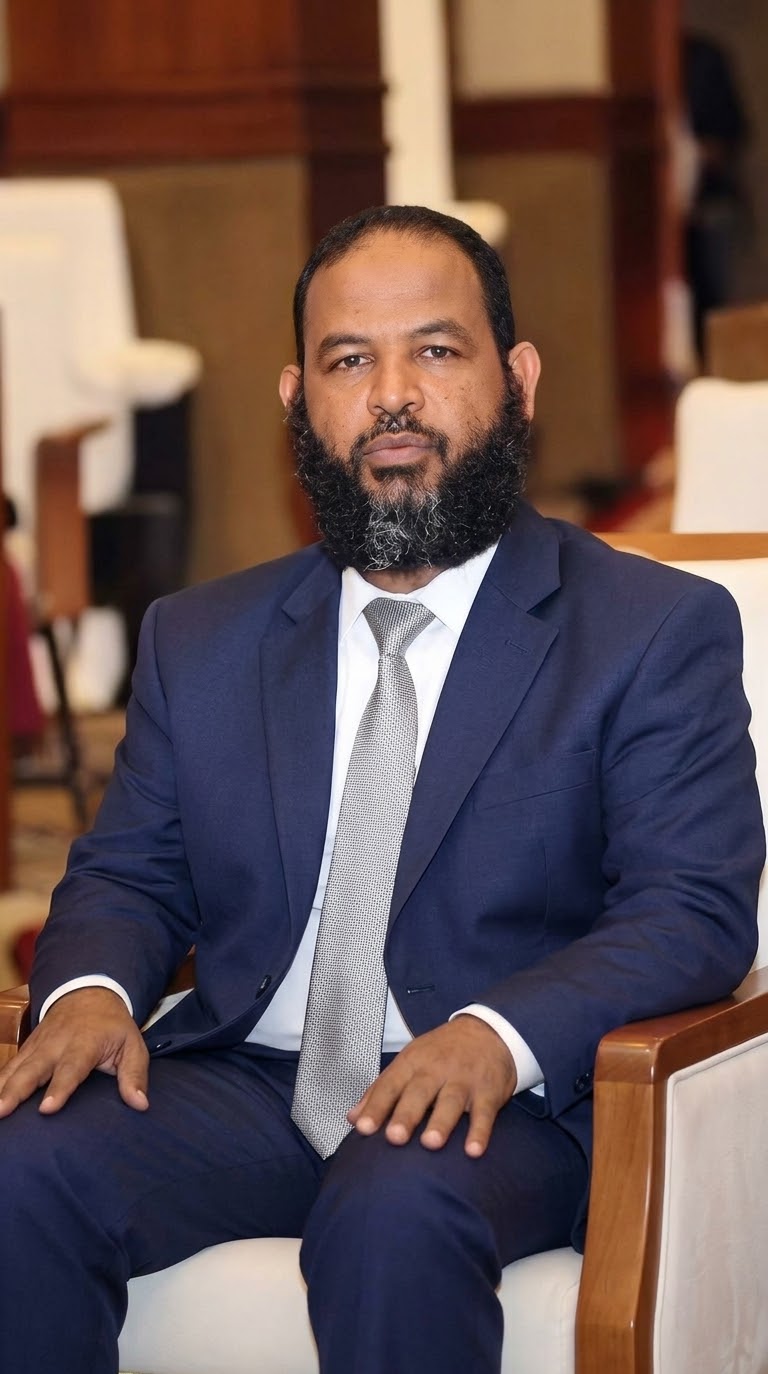
From Medical Research to the Advancement of Specialized Healthcare: A Scientific Career Bridging Knowledge and Community Service Gedaref – Sudanow Professor Saeed Mohamed Omar has achieved a notable scientific milestone by being included among the world’s top 2% of scientists for 2025–2026 in Clinical Medicine, under the General and Internal Medicine subfield,...
More-
25 October, 2026
Tales from the Battlefield “Rest Tonight, Mum”: A Compassionate Gesture That Moved Social Media and Wiped Away a Strugg
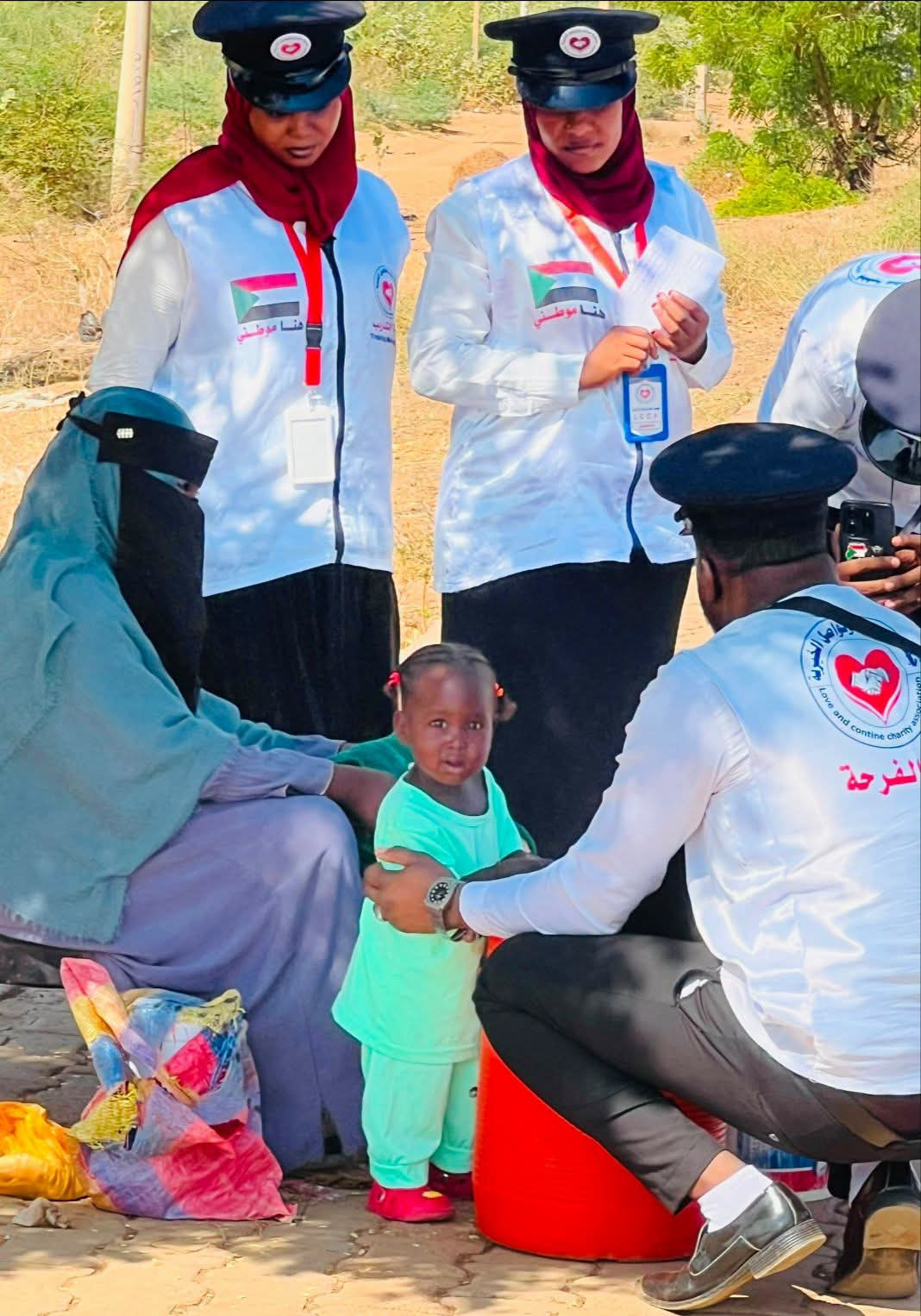
A humanitarian initiative goes beyond providing assistance to help build hope Dr Sarah: The war has driven mothers into the markets in search of a livelihood. A video shared on social media has touched the hearts of users, capturing a moving act of kindness by young volunteers from the “Rest Tonight, Mum” initiative. The group reached out to a Sudanese woman displaced from Darfur who struggles to support her family...

Contact Us

Address: Sudan News Agency (SUNA) Building, Jamhoria Street, Khartoum - Sudan
Mobile:+249 909220011 / +249 912307547