




Flood victims still in the open, while the next fall is imminent
13 February, 2014
Khartoum, (Sudanow) - Beside a lone modern gate that stood fast while all four walls of the house, Ishaq Adam and his three neighbours sat down sharing food as they have been sharing a single tent for the last four months after their houses have been swept away by the flash floods.
They were sitting around a plate of porridge made of sorghum flour and, I spite the modest food, the landlord invited us in insistence to join in when he saw us while he was calling his three bare-footed children running behind an old tire.

In this east of the Blue Nile village of similar houses made of wood and grass with plastic canvas roofs, Aisha, a slim, weak woman in her seventies, stood by a heap of earth which was a room in the past, pointed to a lone room and said: “My son passed away two months ago and I have nothing but this room.”
Hajjah Aisha was not alone, but was among about 200 villagers who went to the high site which is 100 meters northeast of their village. They stood in puzzlement gazing towards their collapsing houses at that time.
Hawa’a, who was busy sweeping leaves gathered by the wind outside the tent, said: “We fled by ourselves, leaving everything behind, to this high site.” She suffered a lot to reach this place accompanied by her five children the eldest of them was Abdullah (12) and the youngest was Ayman (7).

This natural catastrophe was only an addition to the hardship suffered by Hawa’a, just above the fourth decade of her age, worked in mowing weeds in sorghum fields about three km away from her village and returned well after sunset to her children whom he she insisted that they continue with education despite the fact that the nearest school was four km away which the children walk on foot every day. “It is only education that will help them in the future,” she said.
The houses of the village, which is a few meters away from the main road linking Khartoum North suburban villages, look make-shift lodgings, but in fact they were built more than forty years ago, according the villagers who say they have not left the village over those years, although they have engaged with the inhabitants of Fakki Hashim locality over the land ownership in disputes in which one villager was killed two years ago.

Most of the villagers are engaged in farming or other jobs of small earnings. Although it is a few meters away from the main road, the village looks as if it is prehistoric, lacking in such basic services as water and water supplies and with no school, compelling the children to walk several kilometers to join the nearest school. They have not been visited by any government official, even during the flash flood disaster.
The place was redolent with the smell of cattle dung as each family owns a number of cattle and some of the villagers carried waste of their cattle in an old ‘Ford’ lorry to sell it to farmers to use as a fertilizer. Most of the inhabitants of the village work as daily laborers in nearby farms in addition breeding livestock. They bring their drinking water from the irrigation canals in barrels pulled by donkeys. Their main dish is porridge of sorghum flour with waikah condiment made of dry powdered okra.

More than 20 families lost their cattle t the flash floods, a matter which made villager Ibrahim send an appeal to the government for compensation, saying this in a low voice. He pointed to the direction of the flash floods, saying: “We wish the authorities would build a dam to protect us from the torrents which do not alter their course.”
Five kilometers east of this village, the flash floods leveled to the ground another village named after its Hassaniyah tribe where Abdullah wad Saad (50) and his clan lived. This village was transformed into heaps of mud and grass by the flash flood which swept it in a quick visit, rolling westwards and leaving behind the inhabitants in absolute bewilderment.
Bedouin-like wad Saad recounted part of their suffering during this year’s cold winter-time. “We wrap the children with the covers the government granted us while we cover ourselves what the remaining clothes,” Saad said.

Narrating their daily suffering, Saad said in an angry tone that their women walk long distances to fetch potable water. Pulling the rope that was tied to the neck of his donkey to make it move forward, Saad said angrily: “We do not expect to get anything from the government.”
Mohamed Abdul Rahman (mid-forties) is an employee with a government ministry, in a resentment look behind his glasses, denounced negligence by the government authorities of the inhabitants of his village in the aftermath of the disastrous flash floods. He remarked angrily: “What compensation you are referring to; the government has not treated us as human-beings, the government distributed only a few tents, allowing three or sometimes four families to share one tent but there were no financial compensations.

He said despite the immense assistance the government received from foreign countries and humanitarian organizations for the flash flood victims last September, they have received during the first days of the disaster a few tents and covers and some food items.
Although only four months remain before the rainfall, people still live in make-shift lodgings, finding it difficult to rebuild their house as most of them are of limited incomes.

Sadly looking at the ruins of his house, Ishaq said: “You just have a look at this gate. it gives you an idea of how valuable the house I lost was.”
E N D
mas
Photo of the Week
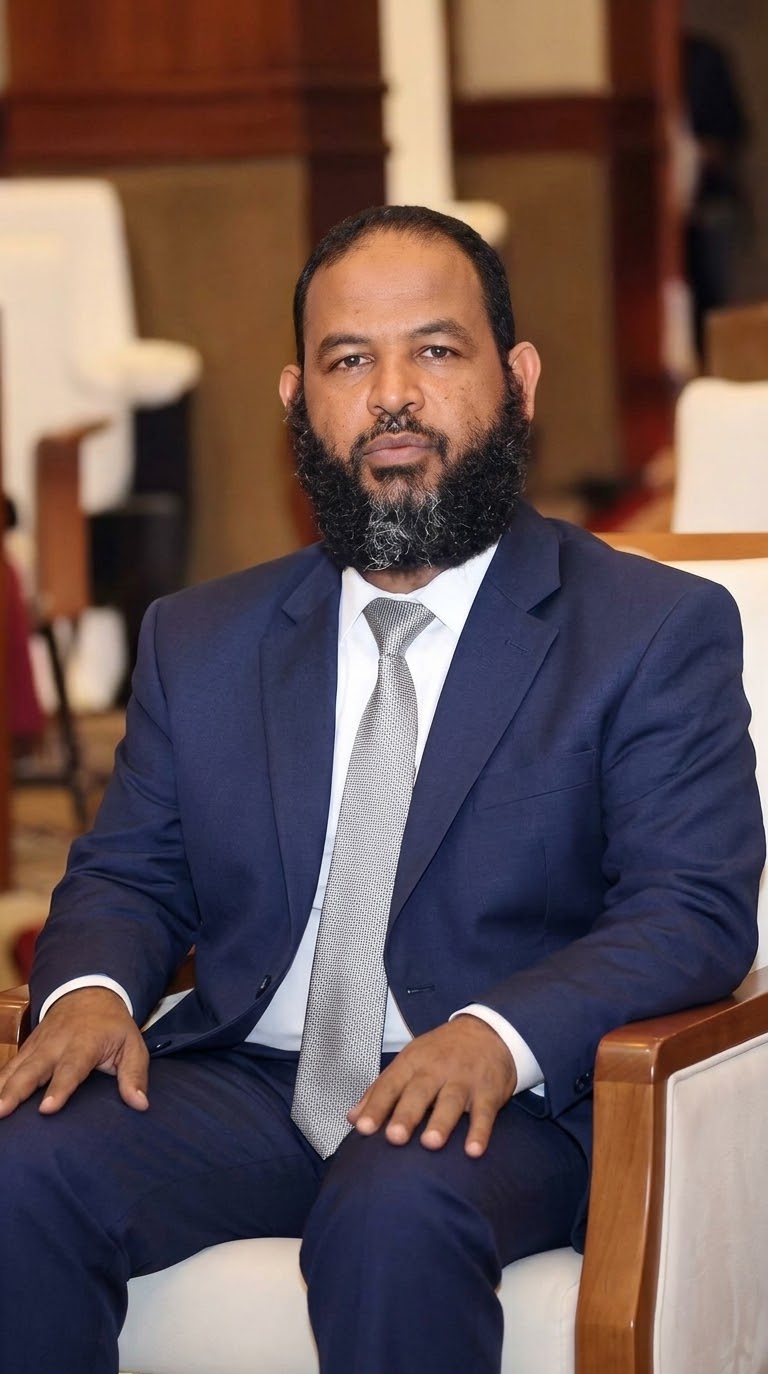
From Medical Research to the Advancement of Specialized Healthcare: A Scientific Career Bridging Knowledge and Community Service Gedaref – Sudanow Professor Saeed Mohamed Omar has achieved a notable scientific milestone by being included among the world’s top 2% of scientists for 2025–2026 in Clinical Medicine, under the General and Internal Medicine subfield,...
More-

11 October, 2026
Stories from the Heart of the Battlefield On World Teachers’ Day: The Sudanese Teacher — Achievements Against All Odds
Teachers carried their chalk through the rubble and kept working — Resilience War closed schools, but examinations continued — A Mission Low salaries and mounting hardships — The Price of the Profession Khartoum (Sudanow) — Teachers around the world are marking World Teachers’ Day this week, an occasion that carries messages of appreciation and gratitude for those who carry the torch of knowledge...

Contact Us

Address: Sudan News Agency (SUNA) Building, Jamhoria Street, Khartoum - Sudan
Mobile:+249 909220011 / +249 912307547