

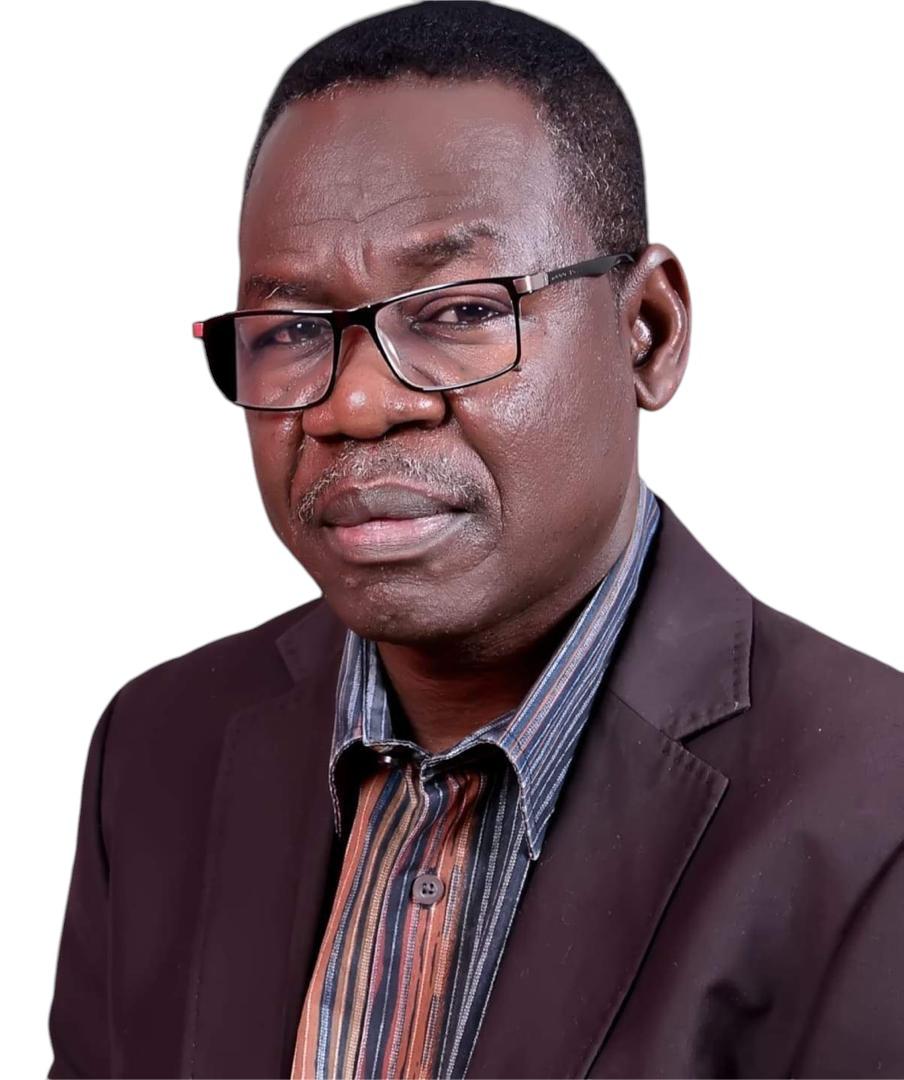
Dr. Layla Zakaria: Untimely Departure of a Scientific Genius
06 February, 2015Khartoum (Sudanow) News reports in-coming from England on Sunday mourned prominent Sudanese biotechnologist Dr.Layla Zakaria Abdulrahman , widely known for some of the best breakthroughs in agricultural research.
The late Layla had made history for developing sugar cane seeds as well as some other scientific achievements in biotechnology.
Her cane sugar seeds achievement is seen as a revolution in sugar production. Hitherto, sugar cane plantations had relied totally on vegetative multiplication , whereby cane stalks are cut in smaller pieces and sowed in the ground. The stalks then develop offshoots that grow in full cane plants.
Layla’s achievement could facilitate large scale cane production, where the farmer could simply take the seeds, sow them in his field and irrigate and nurture them until they grow up and ripen for harvest.
This process is viewed as largely economical and practical. It could be enough to say that by turning to seeds, instead of cane stalks, farming cost could drop by Sterling Pounds 220 per acre.
Layla’s method is to take cells from the cane leaves, stalk or roots and plant them in water to produce seeds via hydroponic culture .
When Layla’s achievement sounded across the World, investors of sorts persuaded her to let them use her invention. But Layla insisted that the rights for the application of this finding were the complete monopoly of her country, Sudan. According to news reports, a U.S entrepreneur traveled by private jet all the way from the U.S.A down to Manchester, England, to meet and try to obtain her permission to use her product , but to no avail.
Due to the high value of her findings , Layla’s invention was patented in 14 countries , including the United Kingdom, the U.S.A, the People’s Republic of China, Australia, Brazil, South Africa, , the Republic of Korea, and Srilanka.
Layla did not stop there and came up with more scientific achievements: She devised yet another head-turning
invention. In this second achievement, Layla was able to produce an antioxidant seen as of great help in drug industries, cosmetics in particular. Not enough data is available at the moment about this product, but it is believed to fight wrinkles humans develop because of aging. This product is hoped to rid women the trouble created by the use of unsafe make-ups.
Another striking achievement of hers, was that she developed a technology for cheap and mass production of date palm seedlings. News reports say, this knowledge has now been adopted by Zadna Group, a local firm concerned with food production.
Layla was born in Jabalain locality of the then White Nile Province in the mid 1950s. Because of the premature death of her mother, a school teacher, her grandparents raised her.
She received her early tuition at the nearby town of Kosti and then joined the University of Khartoum as a medical student. But Layla, who had no nerve for autopsies, very soon moved to the Faculty of Agriculture where she graduated with honours in 1979.
She then worked very briefly for Kenana Sugar Company, a multinational sugar plant in the White Nile region, considered as the World biggest sugar plantation under a single administration.
It was there in Kenana that she met and espoused her husband , Engineer Ahmad Musa , the Plant’s manager. They had two offspring: a daughter named Khadeeja and a son with the name: Mohammad.
In Kenana, she worked with an American agronomist who noticed her scientific prowess. He took care of her and advised here to pursue further learning . She then traveled to England and obtained an M.S.C and then a doctorate in 1995 , both certificates in biotechnology. She then continued with research on biotechnology until she scored the aforesaid achievements .
During her long stay in Manchester, Layla was esteemed and cared for by the British scientific community around her until her death.
This writer had met the Late Layla in a pre-arranged interview for Sudan News Agency in 2013 in Khartoum and found her to be such a humble and family and country-loving scientist. In that interview, Layla accounted for her scientific endeavour, the hardships she encountered and her ceaseless preoccupation with sugar production in the Sudan, hoping that the country would one day take her knowledge to the fields.
She Told me that she had applied her research findings in a farm of an educational institute in Sudan and received good results and that all what was needed was follow up.
Then I met her once again when she was preparing for a TV interview. Programme Host Abdulwahhab Hillawi was so moved that he told her: " I don’t know how to begin with you, Dr.Layla!”.
Layla had always attributed her success to her grandmother who took care of her after her mother death when she was just two years old.
The late Layla had received many honours from her country and abroad. The Government of Sudan had awarded her the Gold Medal. She also obtained the annual award for the World best scientific project. The Kingdom of Bahrain also honoured her in a special ceremony, held on behalf of all the Arab states.
She, independent, as she always was, had launched her private business in biotechnological agriculture in the City of Manchester, England.
May Allah, the Compassionate, the Merciful, rest her noble soul in eternal peace and give patience to her bereaved family, Amen.
E N D
YH/ AS
Photo of the Week

Khartoum (Sudanaow Magazine) - In the heart of the capital Khartoum, specifically in the upscale Al-Taif neighbourhood, a young Sudanese man succeeded in turning his childhood dream and hobby of raising birds into a unique environmental and tourism project in Sudan and the region. It is the Marshal Nature Reserve, which had become a destination for visitors, embassies, and intern...
More-
16 November, 2026
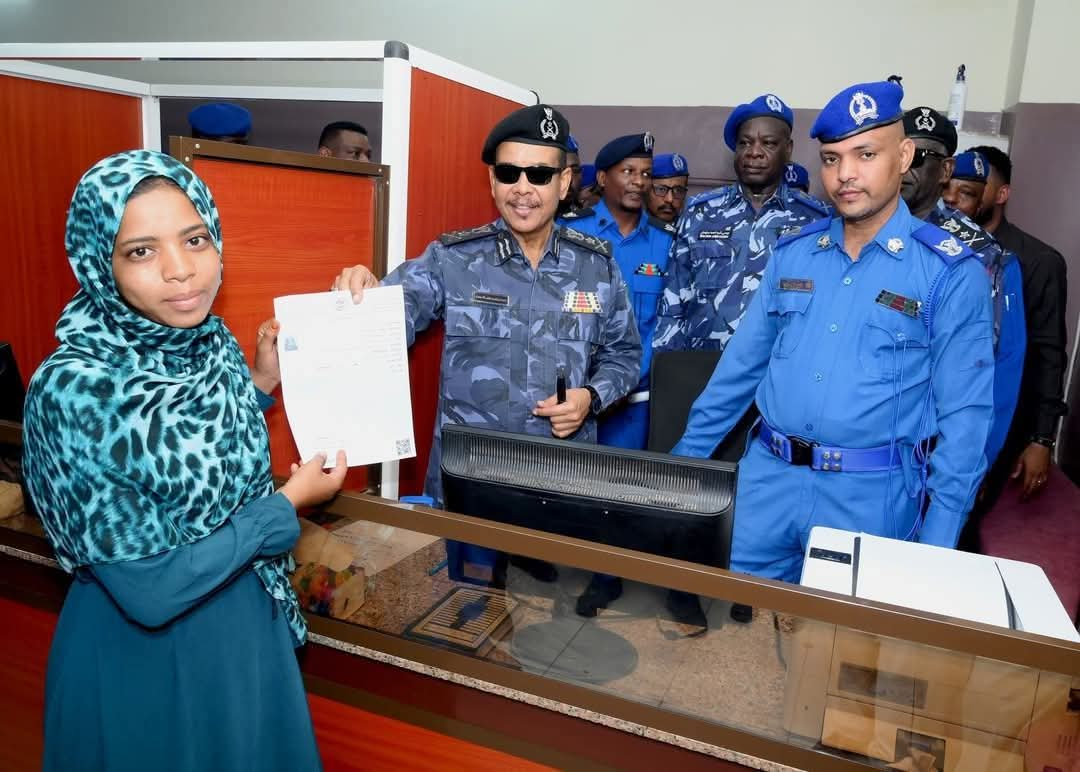
Tales of Return Civil Registry Recovers Its Entire Database Despite War Destruction
A significant step forward:Reviewing civil records and refining National Identification Numbers to safeguard national identity. Major General Iqbal Mansour: Data recovery has enabled the continuation of services and the resumption of registration. Lieutenant General Dr. Jalal Tawar: Hails the thwarting of militia plans. Sudan’s Civil Registry has fully recovered its database despite the damage inflicted on its a...

Contact Us

Address: Sudan News Agency (SUNA) Building, Jamhoria Street, Khartoum - Sudan
Mobile:+249 909220011 / +249 912307547