

Al- Faisal Cultural Centre: Magnet for All Generations, Young & Old
08 February, 2015Khartoum (Sudanow) The relatively stagnant cultural movement has of late received a boost with the inception of Al-Faisal Cultural Centre.
The Centre that grew up from a small idea has now become an edifice of culture that attracts people from all generations who frequent it to benefit from its rich libraries and attend its varied cultural functions.
The Centre was set up and sponsored by the Faisal Islamic Bank.
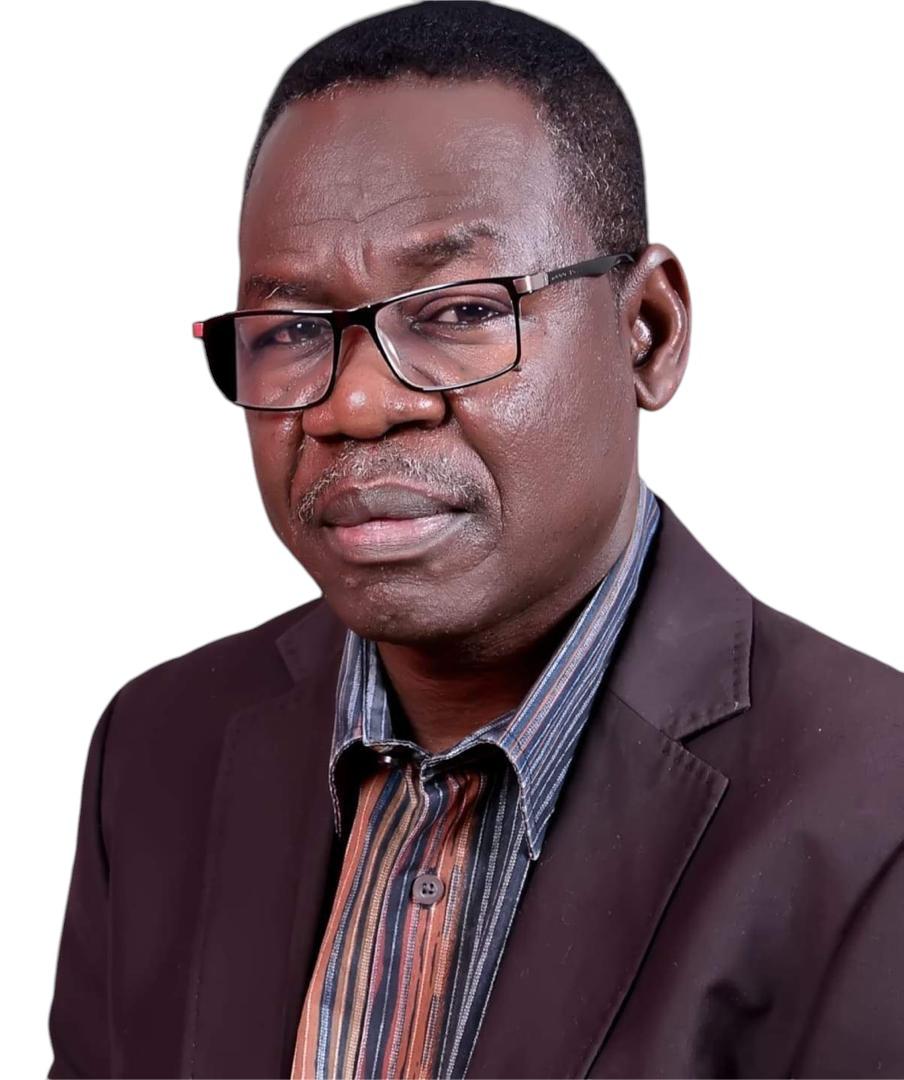
The Centre’s Director, Dr. Husham Yousif Abdulrahman has given an interview to Sudanow in which he spoke, at length, about the Centre, how it came into being, its current programmes and its future plans:
Q: What are the services the Centre renders to the society, in general, and the youth, in particular?
A: We have noticed that the bulk of the Centre visitors are from the young category. This sector of the society is, in fact, worthy of utmost concern and attention. Alongside the paper and electronic libraries, the Centre has created study rooms for students and researchers.. In addition,
the Centre hosts all the youth activities we deem useful. Our guests receive due concern and utmost care.. One of the activities that won our attention is film-making and film shows. In this connection we launched an initiative with the group: Cinema Shabab (or cinema youth). This is one of the clever partnerships between the Centre and a variety
of youthful groups talented in the domain of cinema. We have also provided the youthful cultural group ‘’Aala’a” with a comfortable place where they can hold their symposia and lectures. The Centre has also concluded a cooperation agreement with the youthful group “al-Esamiyya” (or self-made), that nurtures small scale and new projects put forward by the youth. The Centre also contains a child library and a child activity section. We also sponsor functions that discuss Sudanese family problems such as matrimonial relations, children and adolescents problems, as well as the issues of violence against women and children. With respect to the problem of child harassment, we launched an initiative we called ‘’No Silence”, that resonated widely in the society, thanks to the enlightenment symposia we held in several places in Khartoum State. The Centre is now about to launch a clinic for psychological guidance for the affected children. We also accord the elders due attention and reserved a special place for them in our general library. When there is a rush at the library, the elders are prioritized.


Q: Why didn’t you launch a T.V channel that could have specialized in cultural matters?
A: As a matter of fact, we have given this idea a lot of thought. But we are taking our time before taking such a step. There is need for careful examination of the matter. There are the questions of funding and good programmes which need careful consideration in order to guarantee the channel’s continuity and a wide audience. In the meantime, we have approached the existing T.V channels to cover our events and bring them closer to the public.
Q: Does the Centre charge any fees for the services it renders to the public and organizations?
A: We collect no fees for the services we present to the society. However, there is a symbolic fee of SDG 7 for the use of the library. This fee, which may look high in the eyes of some, is in fact not enough to meet the cost of electricity, let alone the Centre’s other expenses. Other than the library fees all the other services, including seminars, symposia, and theatrical shows are free of charge. We have already started to reap the fruits of the effort we put in this centre. This is reflected in the visible appreciation we get from the public.
Q: Does the Centre have any peers in the region around Sudan?
A: I can assure you that there is no such an integrated cultural centre in any other country. Not a single bank in Sudan or abroad had chosen to provide such services. Some entities may offer certain community services like spending on health, education, or other cultural activities, but there is no centre with the specifications of al-Faisal Cultural Centre.
Q: Don’t you agree that, located at such a sophisticated area of the City, the Centre serves but a certain social class?
A: I agree and don’t agree to that. The Centre was not pre-planned for this part of the City in particular. The Centre was the result of the building, not the opposite. It was originally one of the branches of Faisal Islamic Bank, meant to render banking services to the public. It was by mere coincidence that the branch had some empty floors which could have been leased for commercial purposes. But the Bank administration thought it better to devote these empty floors to an integrated cultural centre that could serve the community. By and large, the Centre now receives students and researchers from all over Greater Khartoum. Students from Khartoum, Khartoum North and Omdurman universities choose to come to the Centre because of the good services it renders.


Q: Does the Centre have any plans to launch any branches around Greater Khartoum?
A: True. This is part of our future plans. We are conceiving similar centres around Greater Khartoum and other regional cities. As part of our concern with the children sector, we have set up a children section in Hafiz al-Shaikh al-Zaki Library in down-town Omdurman. We will launch a children library in Khartoum North, in collaboration with the children cultural centre therein. We are also considering an integrated mobile centre that could tour outlying areas of Khartoum State. The centre would include a paper and electronic library, a cinema screen, a theatre for plays and a podium for lectures. This mobile centre could also extend its services to outlying areas around the country, thanks to the spreading roads network.
A: We are working on the completion of a five-year plan that began in 2013, in which we target the provision of an environment conducive to university researchers via paper and electronic libraries and, beyond them, to other lovers of reading. We will continue to present activities through the provision of books and cinema, theatre and cultural programmes.
Q: How can you overcome the impediments that face the Centre?
A: The first challenge we face now is the limited space we have at the Centre now. That is why we are looking for a wider place that could accommodate an integrated Centre from the very start. This needs a big budget and it is our hope that concerned bodies could help in this. We have ongoing cooperation with federal and regional cultural institutions that promised to give help. We have many joint programmes with these bodies in 2015.
Q: How do you run this diverse activity?
A: The Centre is overseen by a council of trustees that includes a good group of individuals among whom you find a man of letters, a poet, a medical doctor and a specialist in women affairs. We benefit from the wide expertise of these ladies and gentlemen.

Q: There are many cultural centres in Sudan other than your centre. What are the positives of this?
A: This is a benign phenomenon. We complement each other. Some centres concentrate on intellectual matters and others on applied activities. For instance, there is the Rashid Diab Centre .There are centres with concern to family and social problems. All these activities pool into the service of the society. We should all of us team up to serve the public.
E N D
YH/ AS
Photo of the Week
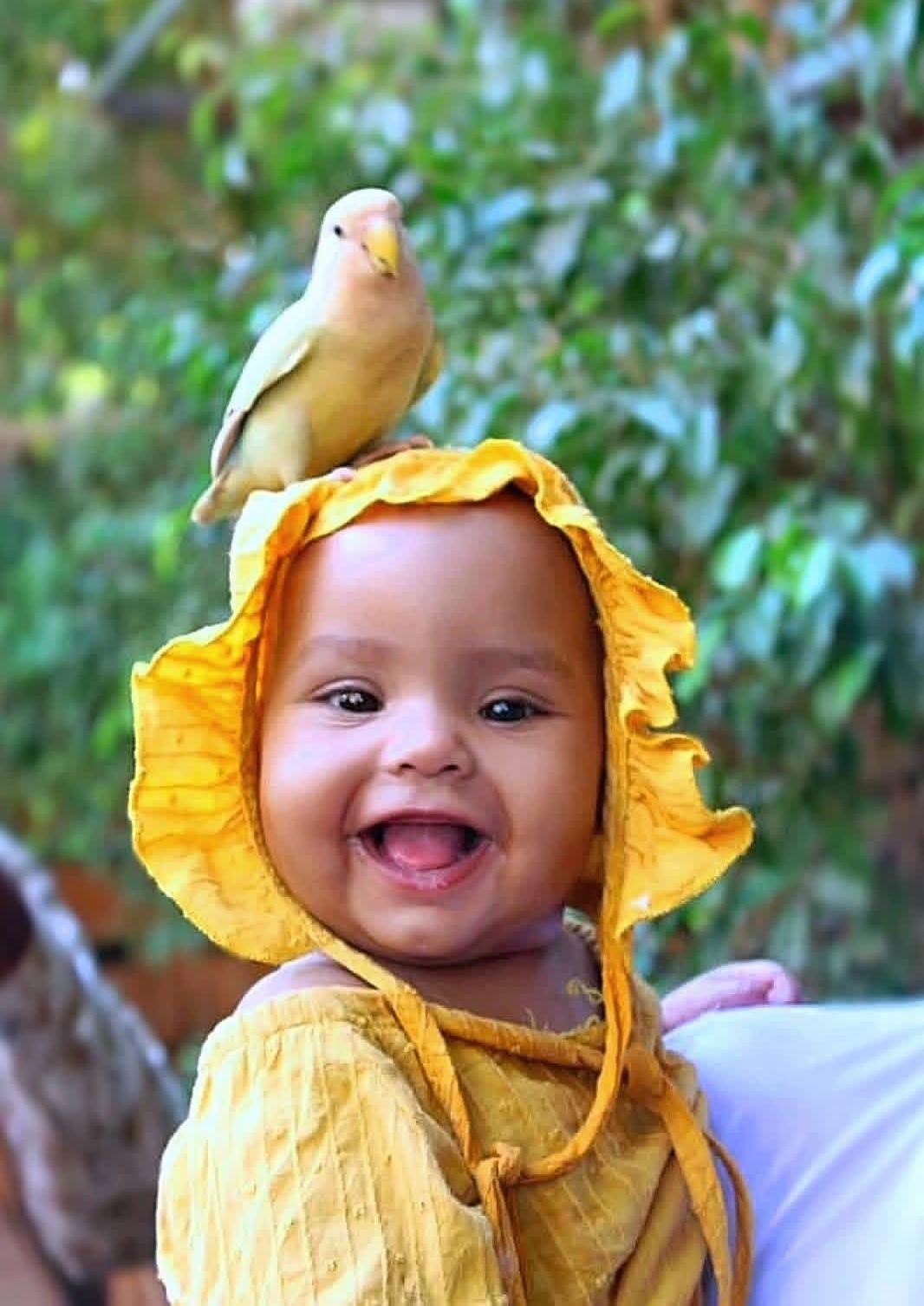
Khartoum (Sudanaow Magazine) - In the heart of the capital Khartoum, specifically in the upscale Al-Taif neighbourhood, a young Sudanese man succeeded in turning his childhood dream and hobby of raising birds into a unique environmental and tourism project in Sudan and the region. It is the Marshal Nature Reserve, which had become a destination for visitors, embassies, and intern...
More-
16 November, 2026
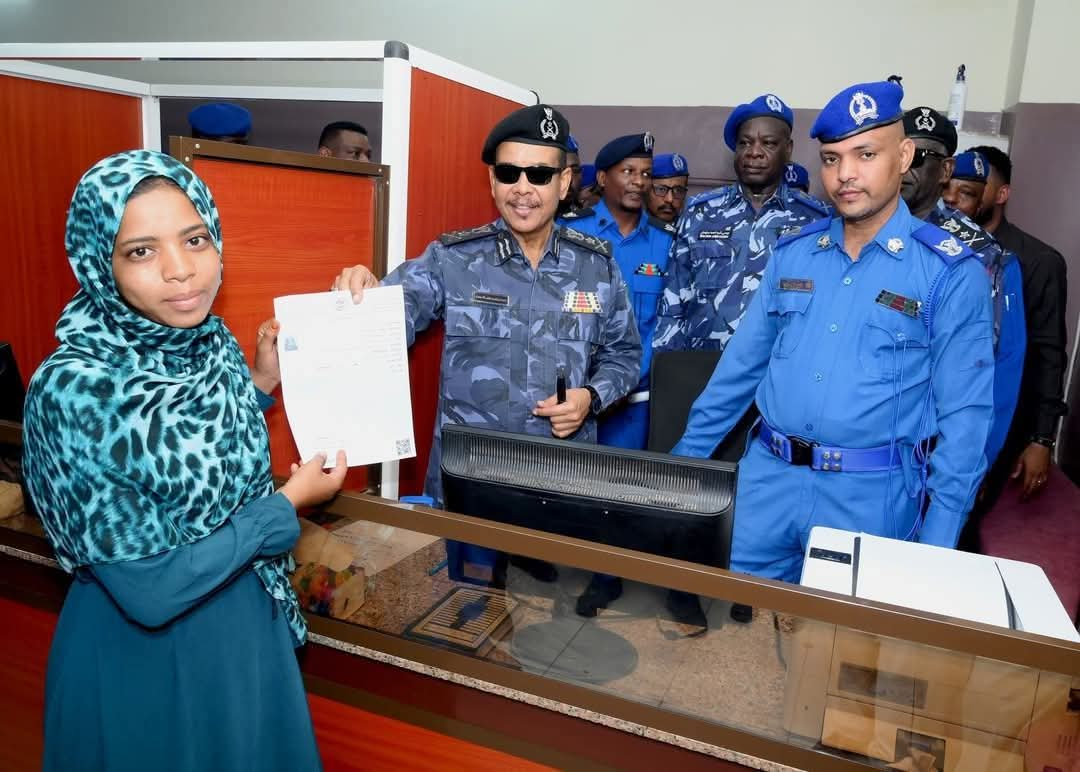
Tales of Return Civil Registry Recovers Its Entire Database Despite War Destruction
A significant step forward:Reviewing civil records and refining National Identification Numbers to safeguard national identity. Major General Iqbal Mansour: Data recovery has enabled the continuation of services and the resumption of registration. Lieutenant General Dr. Jalal Tawar: Hails the thwarting of militia plans. Sudan’s Civil Registry has fully recovered its database despite the damage inflicted on its a...

Contact Us

Address: Sudan News Agency (SUNA) Building, Jamhoria Street, Khartoum - Sudan
Mobile:+249 909220011 / +249 912307547