


Sultan Ali Dinar Palace to Restore Radiance and Luminosity on 100th Anniversary of his Martyrdom
07 June, 2015KHARTOUM (SUDANOW)—The Palace of Sultan Ali Dinar in al-Fasher, North Darfur, may recover its splendor and grandeur from negligence and wreckage due to lack of adequate funds required for maintenance.
The Palace was probably fortunate for having been included in a cooperation protocol concluded by North Darfur State with the Turkish government which provides for rendering services of health, education, water, animal wealth and human resources development beside repair of antiquities.
Sultan Ali Dinar, according to Professor Hassan Mekki the teacher of history in the Khartoum-based International University of Africa, is the most renowned sultan who ruled Darfur. He was Sultan Ali bin Sultan Zachariah bin Sultan Mohamed al-Fadul. He was probably born during 1865-1870 in the village of Shawayah, west of Nyala. His first public appearance as a lad was in the company of his Uncle Abul Khairat after Zubair Pasha dissolved the Darfur Sultanate following Minwashe battle and annexed it to Egyptian Sudan in 1874 during the reign of Khedive Ismail. The Uncle was killed during the Abu Jumaizah revolution in the vicinity of Zalinge and thus Emir Ali Dinar became the heir who began claiming the Darfur throne from 1890 when he was 25 years old. He joined the Mahdist Revolution and began spreading its principles during the reign of Khalifa Abdullah al Ta'ayshi and joined his forces.
In September 1898 he returned to El-Fasher retaking the throne of his forefathers.
Sultan Ali Dinar was pious and used to send an annual load of gifts to the holy shrines in Mecca and Medina for 20 years. The famous wells in Mecca which named “Abar Ali” have been dug by the Sultan to secure water for the pilgrims. He resisted the British invasion in defense of the country's independence until he died as a martyr on November 6, 1916. The British, in their war against Sultan Ali Dinar, used the aircraft for the first time in their wars in Africa south of the Sahara.
The construction of the Palace of Sultan Ali Dinar began in 1912 under the supervision of Turkish Architect Al-Hajj Abdul Raziq who came from Bagdad especially for the purpose of building the Palace. He was assisted in this difficult job by two Egyptian engineers and two Greek carpenters. The foundations of the museum built of solid stones and the walls with thermal bricks and the ceiling from Sahab wood of a Savannah acacia tree supported by red sand, while the doors and windows from Gimbeel which was introduced for the first time in the region by Greek carpenter Thomas.


After it was built, the Palace turned into an exhibition for gifts and pillages brought to the Sultanate as it was near the residence of the Sultan and as soon as the latter was killed, the Palace became the residence of Colonel Kelly, the commander of the British forces in Darfur. Then it became the formal seat of Darfur Province, then an officers' club and, putting an end to those changes, late President Jaafer Nimeiry ordered in 1977 the transformation of the Palace into a museum under the Antiquities Department. Accordingly, the authorities commenced preparation of the building to be a museum fitting to the memory of the Sultan who ruled Darfur for more than 19 years. A wooden tripod was erected to hold the big
(or copper kettledrum) of the Sultan which weighs 200 kg with a circumference of two to three meters. It was used for declaration of the orders and the war and the events of the Sultan. The Palace consisted of 10 rooms which were used by the Sultan, his wives, servants, maids and entourage and which were turned by the Antiquities Department into something like a museum.
The museum is divided into three main pavilions, the first one is called 'the War Pavilion' which contains various weapons and other military equipment, including swords used by the Sultan and his soldiers, other white weapons given to his as gifts, shields and other tools of a fighter. This pavilion also contains big drum used for declaration of the Sultan's orders. There is also a flag of cloth on which the names of Allah (God), Allah's prophets, the orthodox caliphs, forefathers of the Sultan and verses of the Koran are written. It also contains horns, knives, axes and automatic rifles.
At the entrance of the second pavilion stands the throne which is made of gypsum, coated with gold water, with a velvet piece of cloth to sit on and two big spears on both sides for the Sultan's guards.
The antiquities also include peacetime tools such as stone and pottery utensils of different sizes and bright colors dominated by the green and grey colors.
Oddly enough, this pavilion contains fishing instruments beside traps made of bark and others made of animal nerves used for hunting birds. This second pavilion also contains the formal clothes of the Sultan, including the red Jubbah (garment) which the Sultan used to wear during hardships and times of execution and the peace jubbah, white in color and embroidered with velvet which the Sultan used to wear on welcoming official delegations, other happy occasion s and on distributing presents.
This pavilion, which contains belongings of the Sultan, also contains a pocket watch gifted to the Sultan by a Hejaz king, the Sultan's ring, his formal turban, some sultanate coins called 'redhaina' (meaning we are satisfied) at that time, mileems and other small coins minted in al-Fasher.

The leftovers also included a book written by the Mahdi, a hand-written Holy Koran Book, worry beads and document written by Sultan Ali Dinar containing orders to the emirs of localities.
This pavilion ends up with a spacious hall that contains some pottery and skin utensils and handicrafts made of palm leaves which are dominant in present Darfur.
The third pavilion contains the makeup instruments of the Sultan's 25 wives which are splendid works of art made of materiel reflect the luxury enjoyed by the wives of the Sultan. These tools include ornaments made of ivory, copper and gold and embroidered pottery. There are also domestic utensils such as coffee pots and cooking pans. In courtyard of the Palace there are big drums made of copper which were used by the Sultan for communication with the people of the sultanate.
North Darfur Governor Osman Mohamed Yusuf Kibir said their bid for rehabilitation of the Palace marks the centennial commemoration of Sultan Ali Dinar in 2016.
The deep-rooted relations between the Sudanese and Turkish peoples are presently witnessing a remarkable development in the various fields, Kibir said, adding that the present relations are further strengthened by the historic ties between the Islamic Darfur Sultanate and the Islamic Ottoman Empire until the beginning of the last century. And an undertaking by a Turkish company to rehabilitate and repair the Palace points to this relationship, the Governor indicated.
For his part, the Ambassador of Turkey to Sudan, Jamal al-Dinn Eden, said at the ceremony that the signing of two protocols in El-Fasher that day signals a sincere step for pushing forward the bilateral relations which he described as historic and eternal embodied by late Ali Dinar.
He said the Turkish-Sudan cooperation projects in North Darfur would be carried out through the Turkish Corporation for Coordination and Cooperation.
The two protocols of cooperation provided for offering a number of services to the people of North Darfur in addition to rehabilitation of the Palace of Sultan Ali Dinar, the Ambassador added.
He said studies are presently being conducted by the government of Turkey and the concerned authorities in Sudan for construction of a technological university to be named after Sultan Ali Dinar.

During his visit to Sudan in 2006, Recep Tayyip Erdogan travelled to Darfur, about 2,000 km, away from Khartoum and in a speech he delivered there, he said: "The eternal relationship linking Turkey with Darfur places Turkey at the top of the countries that will render assistance to this region".
Erdogan denied during that visit that the people of Darfur were subjected to genocide, noting that the Islamic teachings which advocate mercy and tolerance would not allow Muslims to perpetrate genocide against each other.
Erdogan went on to say: "We fully understand the Darfur problem which differs from other crises in the world and can be solved by peaceful means." He urged the government and rebels to speed up reaching a solution to the crisis.
The two countries have so far managed to implement several joint programmes in the context of the agreements, protocols and memoranda of understanding they signed in the second half of the 1990s. In October 1989, Khartoum and Ankara signed a technical health cooperation agreement and another deal in 1990 providing for training of health personnel. They concluded a tourism agreement in Khartoum in 1999 that provided for encouragement by the two sides of the tourist activities and introduction of the tourist attractions in the two countries through exchange of visits and manuals in addition to technical cooperation in the field of tourism. During 1995-2000 about eight protocols and memoranda of understanding were signed by a number of Sudanese and Turkish universities.
E N D
MAS/ AS
Photo of the Week
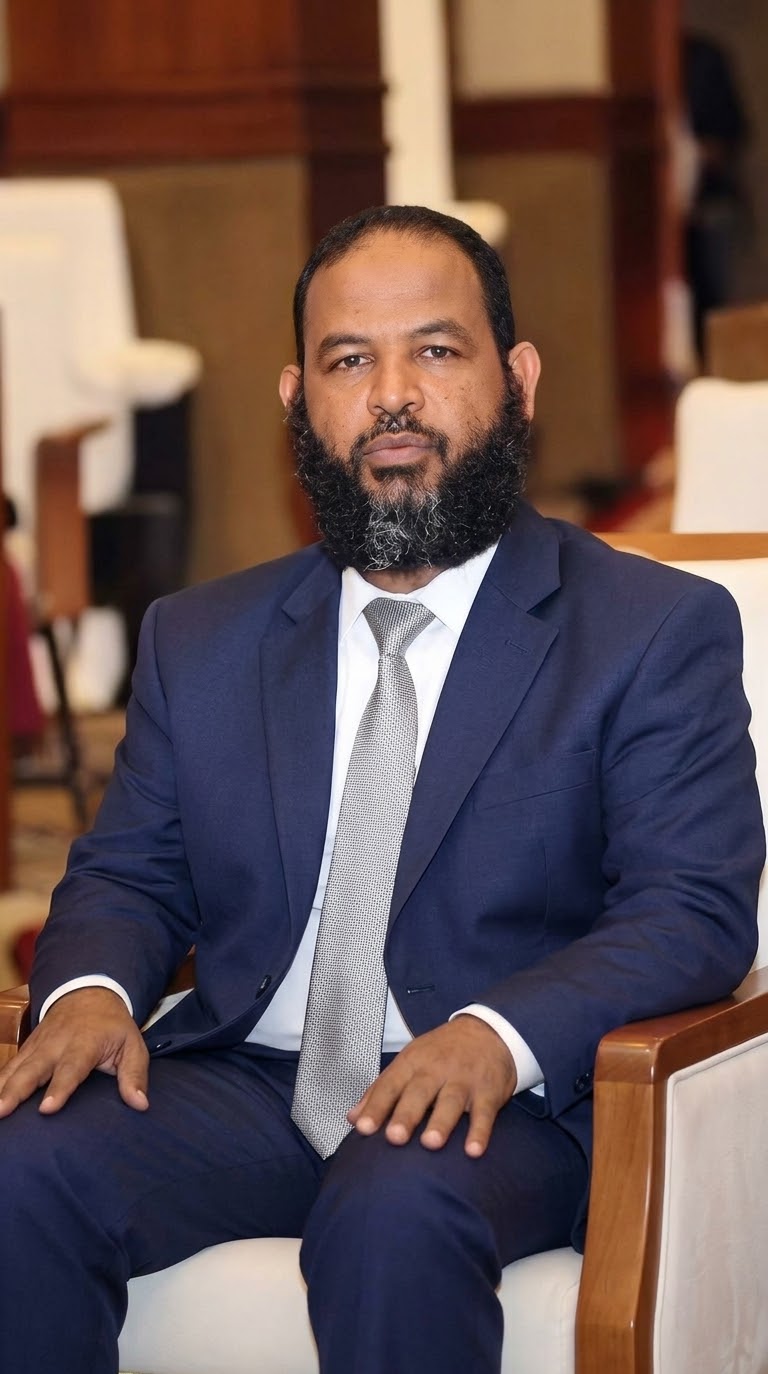
From Medical Research to the Advancement of Specialized Healthcare: A Scientific Career Bridging Knowledge and Community Service Gedaref – Sudanow Professor Saeed Mohamed Omar has achieved a notable scientific milestone by being included among the world’s top 2% of scientists for 2025–2026 in Clinical Medicine, under the General and Internal Medicine subfield,...
More-
25 October, 2026
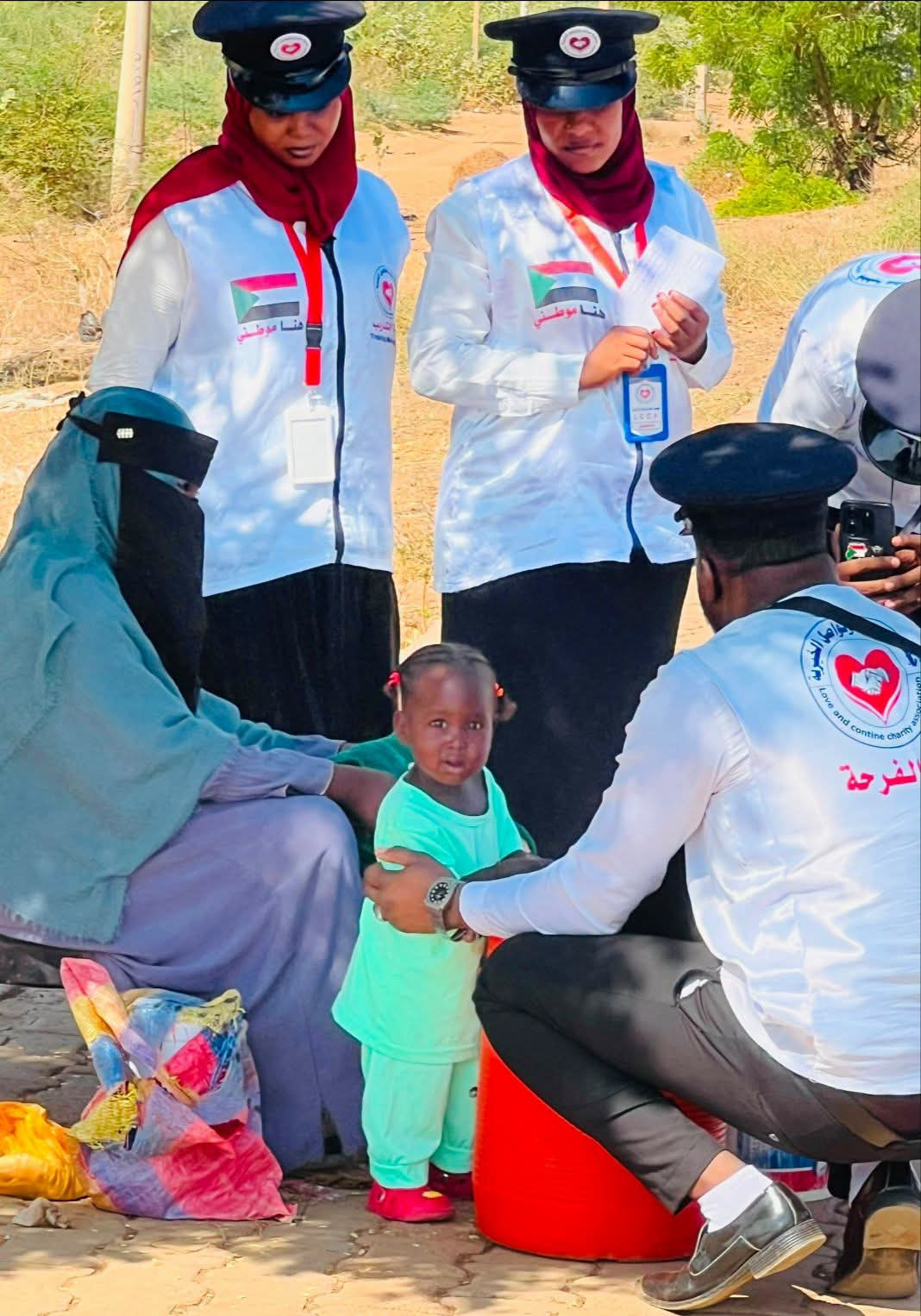
Tales from the Battlefield “Rest Tonight, Mum”: A Compassionate Gesture That Moved Social Media and Wiped Away a Strugg
A humanitarian initiative goes beyond providing assistance to help build hope Dr Sarah: The war has driven mothers into the markets in search of a livelihood. A video shared on social media has touched the hearts of users, capturing a moving act of kindness by young volunteers from the “Rest Tonight, Mum” initiative. The group reached out to a Sudanese woman displaced from Darfur who struggles to support her family...

Contact Us

Address: Sudan News Agency (SUNA) Building, Jamhoria Street, Khartoum - Sudan
Mobile:+249 909220011 / +249 912307547