

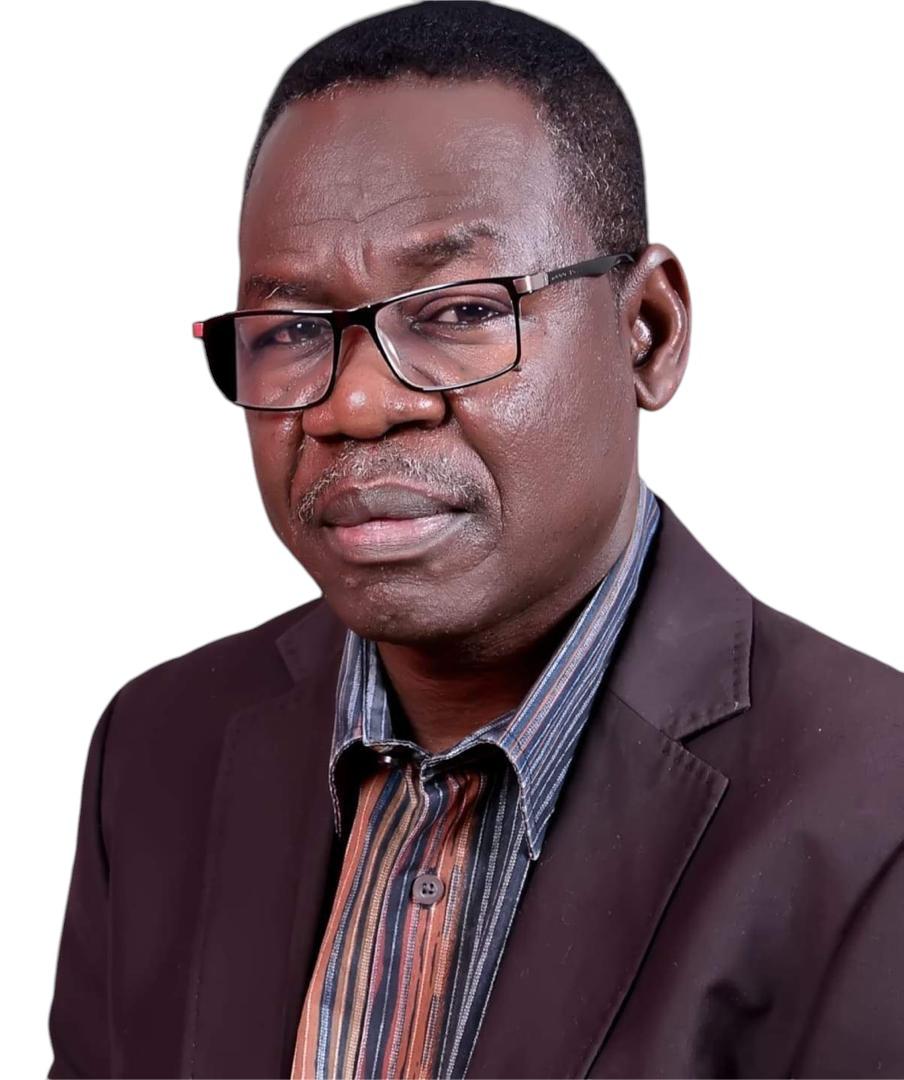
Success Story: Eila's Achievements in his Former State, Earn him Warm Public Welcome in his New Post, Gezira State
10 June, 2015KHARTOUM (SUDANOW)—The appointment of Mohamed Tahir Eila as governor for the Gezira State was warmly welcomed by the observers and the people of the State which in the past decades missed its position as the country's economic spinal cord. The welcome was due to his renowned accomplishments as Governor for the Red Sea State emancipating it from the conditions of poverty, ignorance and illness.
Eila is widely regarded as a phenomenon during the current government, considering his performance competence and his disdain from the personal gains. These characteristics have earned him a wide popularity and overwhelming prominence. During his reign, the Red Sea State has experienced amazing developmental strides, with completion of the infrastructural projects of asphalted roads and electricity which were stretched all over the countryside and urban centers. Schools were built to an extent that redoubled the number of pupils through the food-for-education programme, raising the numbers of the primary school pupils from 8,000 to 45,000, according to the latest count.
The number of hospitals also increased and the specialists spread in the countryside. The cities of the State, especially the capital Port Sudan, have become attractive to tourists, investors and officials to the extent it was called Dubai of Sudan.
Recounting the secrets of his success in implementing the projects of development in the Red Sea State, Eila said in a press interview:"We do not get any additional support from the Center (Khartoum) and we do not have clandestine funding sources. All what we have done was reliance in implementation of the projects on rationalization of the government spending and what we have saved from this rationalization exceeded what we have provided from other resources. We have not imposed any additional fees in the services provided to the people. We have only reactivated the tools and methods of collection. Then we have rationalized the spending on our government units. For instance, there is no government official, other than the Governor, who lives in a government residence or who owns more than a single car. Giving a government official a house entails furniture, guardsmen, cooks and electricity and water expenses, etc. We have overcome this issue by instructing the officials to reside in their own houses or hire houses in the ordinary residential quarters to live with the people so as to be aware of their hopes and endeavor to fulfill them. We have also made every official to own the car he is driving in order to free the government from the burden of the fuel, licensing and insurance costs. In this way the official will take care of the car because he shoulders the expenses and we have thus saved ourselves from the annual substitution of the cars and all our cars are of old models but operate efficiently because it is the ownership of the official. The spending on cars and houses is only a squandering of the public money. This austerity policy encouraged the civil society to participate in implementation of the development programmes alongside the government. And this in turn made the ordinary people feel affiliation and responsibility of taking care of those projects.
"The Red Sea community builds its State through communal committees and the government's role only supervision, monitoring and planning. Our reliance on the community participation in implementation of the projects helped us in keeping them; this instills self-confidence in the people. The organizations, institutions, companies and individuals do not only make donations for the projects but they also form committees for implementation. Thanks to those projects we have now new proceeds from the new sectors such as the contractors sector which comprises more than 80 members from the State who work on implementation of the projects, achieving direct and indirect interests for the people of the State. Our policy is based on cutting down or pardoning the government fees in exchange of employment by the companies of the largest possible volume of man-power."
In response to his critics who blame him for emphasizing on roads and tourism and negligence of the human development, Eila replied:-
"First of all the roads constitute the infrastructure that precedes all other projects. If roads, electricity and water are not made available no investor will consider the prospects of investment in the State and in the country. Roads will also raise the value of the houses and the lands and will encourage the owners to establish businesses. They will also cut down the costs of fuels and spare-parts in addition facilitating movement of the people in this vast State. We are happy for succeeding in linking the State's 10 localities together with a road network. We are also happy for having been able to asphalt the roads of all cities of the State and its localities. We can now say the infrastructure has been completed to receive the investors and their projects all across the Red Sea State. However, it is not true that we are only concerned with the roads and tourism. Our government was more concerned than in any other government in the history of the State with the human development. The figures provide evidence to this. Consider the number of the orphans the government cares for, the number of pupils absorbed within the food-for-education programme, the number of the fishermen who were given fishing boats, the number of the handicapped whom the government provided with means of production, the number of schools, institutes and youth centers compared between the figures during this government and before that, beside the volume of the man-power employed in the tourist industry. We have provided an environment for cultural diversity through tourism in the State and we have managed to attract people from all parts of the Sudan for the people of the State to benefit from their commercial activities and their residence and living expenses. During the tourist season we earn billions and during the New Year night alone we receive thousands of people from various parts of the Sudan, according us numerous benefits, add to this the visitors during the tourism and shopping festivals."
Another factor for Eila's success is the absence of favoritism. The tenders, for instance, are published on the newspapers and are reviewed by the auditor-general. And for further transparency, there is a sign at each project showing the name of the implementing company, its proprietor and the name of the consultant company.
Numerous press articles provide evidence of the viability of the policy that was adopted by Eila, including those written by columnist Tahir Sati, who is known for his bitter criticism of the unsuccessful practices. This columnist once wrote:-
"Tahir Eila has an impact on the public and private sector and on the society of the state and with this impact has succeeded in shaping the three sides of the triangle of accomplishment in the Red Sea which are: the government, the private sector and the society. Take as an example the Tourism and Shopping Festival, which is creating an economic activity in all markets of the State, the government participate in it only with the effort of planning, supervision and monitoring. The cost is paid by the private sector for the interest of the hotels, restaurants and shops. The same applies to the committees of education, health, welfare, tree-planting, electricity and others in which the ministers, businessmen and citizens are equal in membership. And also the membership in the services committees, if it does not imply participation in the service project with funds, it implies participation with mental and physical efforts. There is another example, in order to get a piece of information on the orphans or on schools and hospitals, it is not necessary to go to a ministry, but you can find this information on a visit to a house of an ordinary citizen who is the chairperson of the committee of orphans, handicapped, education or health. The concerned minister may be a chairperson or a member of that committee under the chairperson who is an ordinary citizen. This is how the affairs of the people of the Red Sea State are run. The people there are no longer ruled but are genuine partners in the funding, implementation and supervision and they rush for work in the committees and for financial contribution through those committees. This is because they can clearly see their physical and financial embodied in an unmistakable achievement and because they are confident that they can find what they are looking for in the form of donation or credit when they approach the companies or banks carrying feasibility studies and projects."
Presiding over a meeting of the government of the Gezira State on receiving the State's governorship duties from his predecessor Dr. Mohamed Yusuf Ali, Mohamed Tahir Eila declared his commitment to continuing implementation of the programmes and plans set by the government of the Gezira State. He also announced his abidance by the institutionalized action and development based on the available resources and the priorities which change from time to time. The new governor stressed the importance of optimum employment of the popular support that characterizes the State, consolidating the principle of cooperation and coordination with all segments of the society as well as the political parties for fulfillment of the ambitions and aspirations of the people of the Gezira.
He also underlined the importance of activation of the possibilities, cutting down the expenditure and rationalizing the revenues for achievement of the set goals. Eila said the upcoming period would witness the occurrence of a wide development leap in the various fields by urging the people of the State and the Center to back up the Gezira programmes.
It remains to be seen whether Eila will succeed in overcoming this challenge in which his predecessors have failed.
E N D
MAS/ AS
Photo of the Week

Khartoum (Sudanaow Magazine) - In the heart of the capital Khartoum, specifically in the upscale Al-Taif neighbourhood, a young Sudanese man succeeded in turning his childhood dream and hobby of raising birds into a unique environmental and tourism project in Sudan and the region. It is the Marshal Nature Reserve, which had become a destination for visitors, embassies, and intern...
More-
16 November, 2026
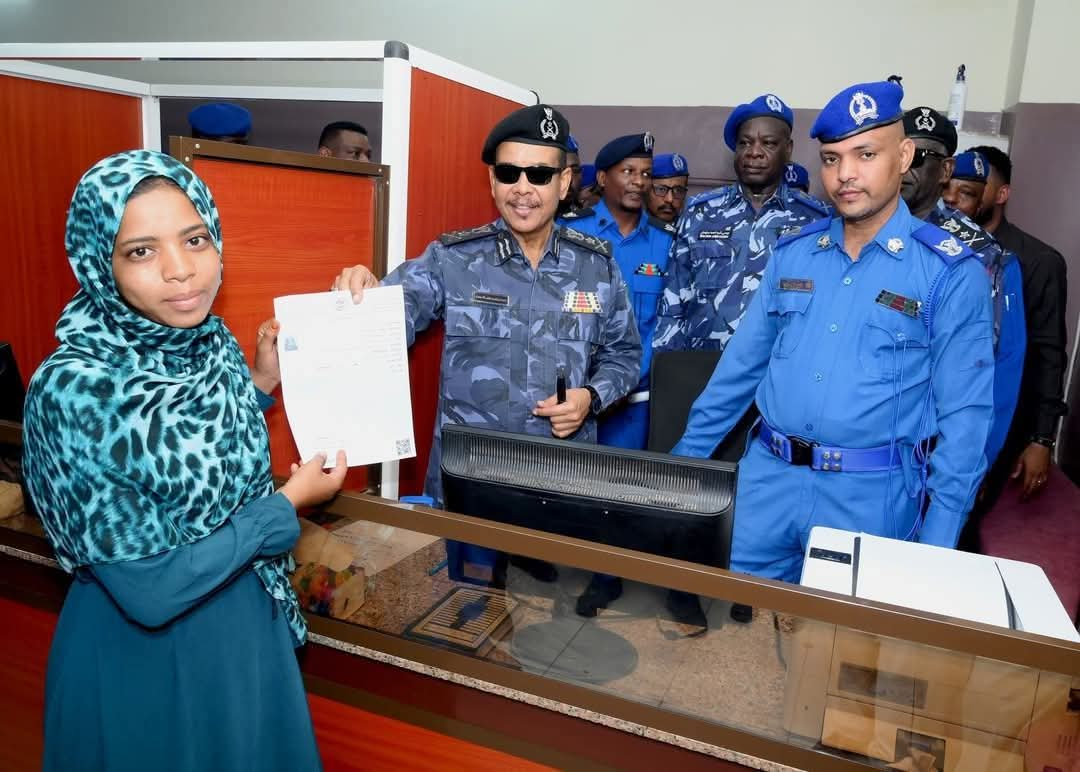
Tales of Return Civil Registry Recovers Its Entire Database Despite War Destruction
A significant step forward:Reviewing civil records and refining National Identification Numbers to safeguard national identity. Major General Iqbal Mansour: Data recovery has enabled the continuation of services and the resumption of registration. Lieutenant General Dr. Jalal Tawar: Hails the thwarting of militia plans. Sudan’s Civil Registry has fully recovered its database despite the damage inflicted on its a...

Contact Us

Address: Sudan News Agency (SUNA) Building, Jamhoria Street, Khartoum - Sudan
Mobile:+249 909220011 / +249 912307547