

Ramadan Rites
15 June, 2015KHARTOUM (SUDANOW)—We are just a couple of days away from the month of Ramadan the fasting of which is one of Islam's five pillars observed by all Muslims, but its rites vary from one Muslim country to another, depending on the country's culture.
In the Sudan there are many rites that precede this holy month which are more of social traditions and folkloric beliefs than the traditions set by Mohammad the Prophet.
There is, for instance, the "White Feast" which is held in the evening of mid-Sha'aban (the month which comes before Ramadan) after fasting during daytime. Tea with milk, pancakes, Biscuits and rice with milk (all white) are served during that feast. An exclusively Sudanese beverage of hilu-mur (sweat-bitter) made from sorghum, ginger and various kinds of spices, provided that it is brand new made for the upcoming Ramadan and for this reason it is called hilu-mur feast in some regions of the country. This white feast originates from the ancient city of Berber in north Sudan.
The feast (in Arabic Karamah) means thanksgiving or expressing gratefulness to God for his graces which may include survival of accidents, recovery from illness, bidding farewell and welcoming back pilgrims, welcoming a person after long absence, observing the end of a mourning period of four months and 10 days by a widow, on success and graduation of students, etc.
Another rite which comes one week or so ahead of Ramadan is the Balilah Feast (boiled sorghum or any other cereal). On this occasion, women get together in the courtyard of host, each of them carrying a quantity of cereal of any kind. All kinds are poured in a washtub to remove the impurities, wash the cereal and pour it in a big boiler (in the past it was big pot). The host provides the needed spices, fuel (firewood or charcoal) and young billy goat which is slain and the meat is placed in the Balilah boiler. The host must be an old woman or a leading figure.
An accompanying rite related to this Balilah Feast is to leave the boiler open during the cooking for the vapor to go up because it is widely believed in Sudan that balilah vapor dispels calamities and therefore the Sudanese people say: "Ward off Calamity with Balilah".


There is another rite which is concerned with serving this Balilah. The first dish is offered to the oldest and most pious woman with successful children, a woman of ideal characteristics, a source of optimism. The service goes on gradually until it reaches the youngest girl. Emphasis is not made on the meat because it is the blessing which is required and to avoid disgrace no woman demands more meat.
Yet another rite preceding Ramadan which is the Procession, contemporary function observed in the Sudan main cities, particularly Omdurman as documented by late writer Prof. Ali Al-Mek in his book "A city of Earth". Groups of craftsmen such as butchers, tailors and carpenters move in a procession, carrying their craft tools and glorifying their particular craft, chanting, for instance,:"Glory for whom?" responding: "For the butchers". At the end of the shouts, Ali Al-Mek wrote: "Glory for all of you who spend all your lives fasting".
Those groups gather in front of the Municipality building of Omdurman where the musical army and police bands begin to play. During the colonization, the British Inspector used to receive the procession. This rite continued in existence until the 1980s when the Omdah (Mayor) succeeded the Inspector. The most outstanding one who led the Ramadan procession was Omdurman Commissioner Fathal Rahman al-Beshir.

Towards the end of Ramadan, namely on the last Friday or sometimes a day before it, there the rite of "Rahmatat" which is performed as offering for Allah to pardon "rahmah" the dead. In some parts of the country it consists of dates, ginger and some spices are soaked in water to be easy for the children to chew and digest and offered to the children in small pots. In other parts of the country the rahmatat is made of bread and rice soaked in meat soup. When he/ she eats up the mixture, the child goes to another house to get another blessing, denoting a form of social upbringing. While moving around for more blessings, the children sing special rhymes to attract people to go out give them the blessing. Such tones are either meaningless or containing names of religious Sufi leaders, particularly in the Gezira.
In some villages of the Gezira, neighboring families buy and slay a lamb to divide the meat amongst them or purchase additional quantities of meat from the butcher on the last Monday or Thursday of Ramadan. During this Rahmatat day, the trays coming out of the neighboring houses full of meat for the sunset breakfast. The collective sunset breakfast is a major rite observed nationwide.
E N D
MAS/ AS
Photo of the Week
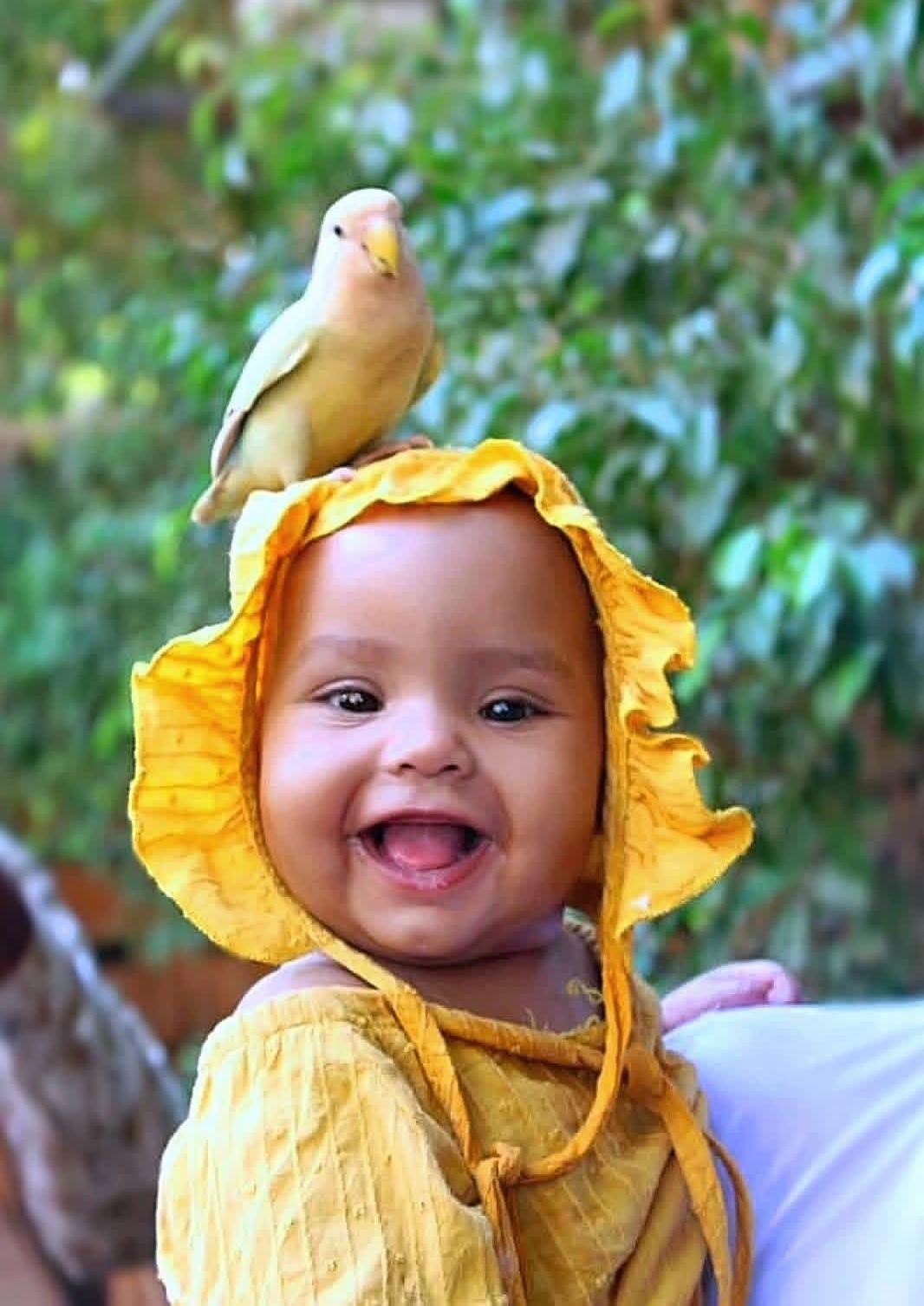
Khartoum (Sudanaow Magazine) - In the heart of the capital Khartoum, specifically in the upscale Al-Taif neighbourhood, a young Sudanese man succeeded in turning his childhood dream and hobby of raising birds into a unique environmental and tourism project in Sudan and the region. It is the Marshal Nature Reserve, which had become a destination for visitors, embassies, and intern...
More-
16 November, 2026
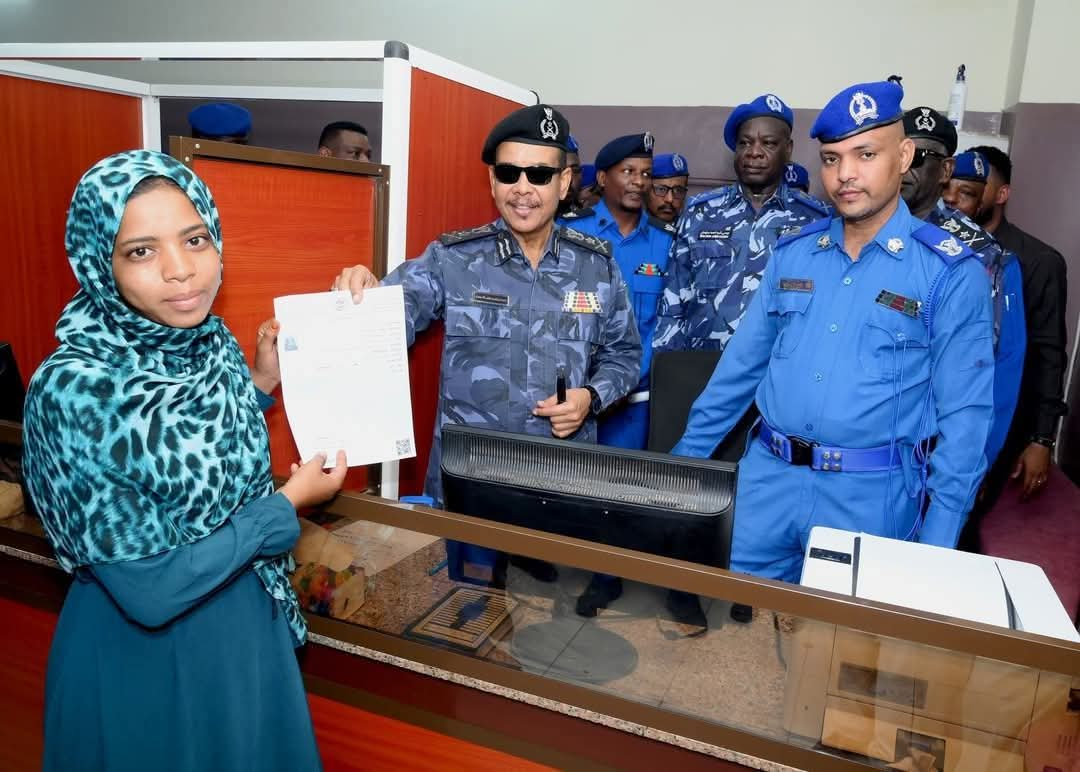
Tales of Return Civil Registry Recovers Its Entire Database Despite War Destruction
A significant step forward:Reviewing civil records and refining National Identification Numbers to safeguard national identity. Major General Iqbal Mansour: Data recovery has enabled the continuation of services and the resumption of registration. Lieutenant General Dr. Jalal Tawar: Hails the thwarting of militia plans. Sudan’s Civil Registry has fully recovered its database despite the damage inflicted on its a...

Contact Us

Address: Sudan News Agency (SUNA) Building, Jamhoria Street, Khartoum - Sudan
Mobile:+249 909220011 / +249 912307547